Which Is the Best Tiles for Flooring
You’ll want porcelain tiles for your floors-they’re tough, absorb less than 0.5% water, and handle spills without staining. Pick a DCOF of at least .42 for wet areas, with textured finishes like StepWise™ for 50% better slip resistance. At 9–12 mm thick, they resist scratches and stains, and since they don’t harbor pests or moisture, cleanup’s easy with pH-neutral cleaners. RevoTile™ even speeds installation. Choose matte or wood-look styles for safety and style that lasts. There’s more to match your space and needs.
We are supported by our audience. When you purchase through links on our site, we may earn an affiliate commission, at no extra cost for you. Learn more. Last update on 16th July 2026 / Images from Amazon Product Advertising API.
Notable Insights
- Porcelain tiles are best for flooring due to low water absorption (under 0.5%) and high durability.
- Choose textured or matte finishes like StepWise™ for 50% better slip resistance in wet areas.
- Opt for 9–12 mm thickness to ensure scratch, stain, and crack resistance in high-traffic zones.
- Use RevoTile™ for fast, mortar-free installation and same-day grouting in busy households.
- Avoid natural stone in wet areas; porcelain offers luxury looks with minimal maintenance.
What Makes a Tile “Best” for Floors?
While not all tiles perform the same under daily wear, the best ones for flooring meet specific performance benchmarks that guarantee safety, longevity, and ease of maintenance. You need a tile with strong slip resistance-look for a DCOF of .42 for wet indoor floors and .60 for outdoor areas. Porcelain stands out thanks to its low water absorption (under 0.5%) and ability to handle heavy foot traffic, especially in commercial spaces or busy homes. For reliable safety, choose a textured surface or matte ceramic finish, like StepWise™, offering 50% better slip resistance than ANSI standards. Both ceramic and porcelain work well for indoor and outdoor use, but porcelain’s density makes it tougher. At 9–12 mm thick, it resists scratches and stains, cuts cleaning time, and avoids pest infestation by denying moisture and hiding spots.
Ceramic vs. Porcelain: Which Wins for Flooring?
You’ve seen what sets high-performing floor tiles apart-slip resistance, durability, low maintenance-and now it’s time to compare the two most popular options: ceramic and porcelain. When it comes to porcelain vs ceramic, porcelain tiles win for indoor flooring, especially in kitchen floors and bathroom flooring. They’re denser, with a water absorption rate under 0.5%, so they resist moisture, stains, and cracking. Ceramic tiles, while affordable ($3–$15/sq ft), have lower maintenance and durability, making them better for low-traffic areas. Porcelain tiles handle high-traffic areas with ease, thanks to superior strength and scratch resistance. For long-term value, they’re the best floor tile choice. Even installation’s easier-options like RevoTile™ click together fast, skip mortar, and allow same-day grouting. Both work in standard sizes, like 0.75-inch (27mm) tiles, but porcelain’s performance seals the deal. Choose porcelain for lasting, worry-free indoor flooring.
Natural Stone: Gorgeous but High-Maintenance?
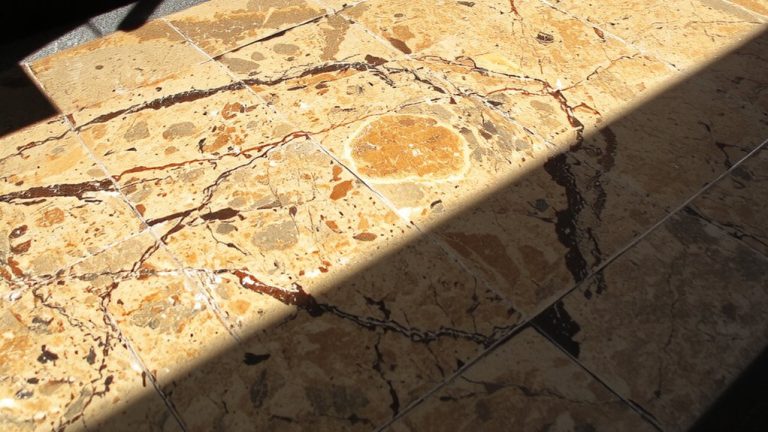
What if your dream floor came with a catch? Natural stone delivers timeless elegance, but it’s high-maintenance. Marble tiles, like Carrara or Calacatta Viola, stain easily and etch when exposed to acids-spills must be wiped fast. Limestone and travertine have beautiful variation but absorb water and fade outdoors. Dolomite is denser than marble, resists wear better, and still looks luxurious. All natural stone needs sealing every 1–2 years to block water absorption and staining. Skip harsh cleaners; use pH-neutral products only-acidic or abrasive ones damage the surface. Testers noticed unsealed limestone darkened after just a few spills. Repeated etching dulls finishes over time. You’ll spend more on upkeep, but if you love unique beauty and don’t mind sealing, natural stone can last decades. Just commit to care or choose simpler options.
Best Tile for Wet & High-Traffic Areas
When it comes to high-traffic, moisture-prone spaces, porcelain tile stands out-its dense, low-porosity body absorbs less than 0.5% water, resists cracking under heavy use, and handles spills without staining. Porcelain tiles offer the best tile for wet areas, combining a low absorption rate with extreme durability. They’re resistant to wear and tear, stand up to water and stains, and many options enhance slip resistance for safety. You’ll find porcelain floor tiles perform exceptionally in bathrooms, laundry rooms, and entryways.
| Feature | Benefit |
|---|---|
| Low absorption rate (<0.5%) | Impervious to moisture damage |
| StepWise™ tech (DCOF ≥0.60) | Superior slip resistance |
| 2 cm TREAD™ Pavers | Extremely durable for driveways, pool decks |
RevoTile™ installs two times faster, ideal for busy homes. Porcelain tiles offer long-term reliability in high-traffic areas without sacrificing safety or ease of cleaning.
Style, Finish, Size: What Matters Most?
Porcelain tile’s toughness in wet, high-traffic areas doesn’t come at the cost of style-today’s designs let you match performance with looks that fit your space. You can choose wood-look porcelain tiles like Beige 6×36 Matte Field Porcelain Tile for warm, natural style without sacrificing durability. The finish matters: matte and textured options offer better slip resistance, especially in wet zones, while glossy finishes, like on Light Blue 12×12 Glossy Square Glass Mosaic Tile, add shine but are better for walls or low-traffic floors. Size impacts the room’s feel-large-format ceramic tiles, such as 12×36 or 24×24, minimize grout lines for a sleek, easy-to-clean flooring surface. Smaller tiles work well in showers, offering safety and grip. Whether you pick matte or glossy, large-format or mosaic, balance style, size, and finish to suit your floor’s function and look.
Best Tile for Kitchens, Baths, and Outdoors
For busy kitchens where spills, foot traffic, and heavy appliances are part of daily life, your best bet is a durable, low-maintenance tile that won’t crack under pressure or absorb moisture-like standard porcelain tile with less than 0.5% water absorption, scratch-resistant glazes, and a PEI rating of 4 or higher for residential durability. That makes porcelain tile the best tile flooring for your kitchen floor, offering resistance to stains, water resistance, and easy cleaning with just mild soap. In wet areas like bathrooms, RevoTile™ guarantees quick installation, no lippage, and superior water resistance. For outdoor floors, choose StepWise™ or Xteriors™ porcelain tiles with at least 0.60 DCOF for reliable slip resistance. TREAD™ Porcelain Pavers, at 2 cm thick, deliver durable flooring that withstands frost, UV rays, and even Class IV hail. These options combine practical performance with stylish flooring, perfect for indoor-outdoor living.
On a final note
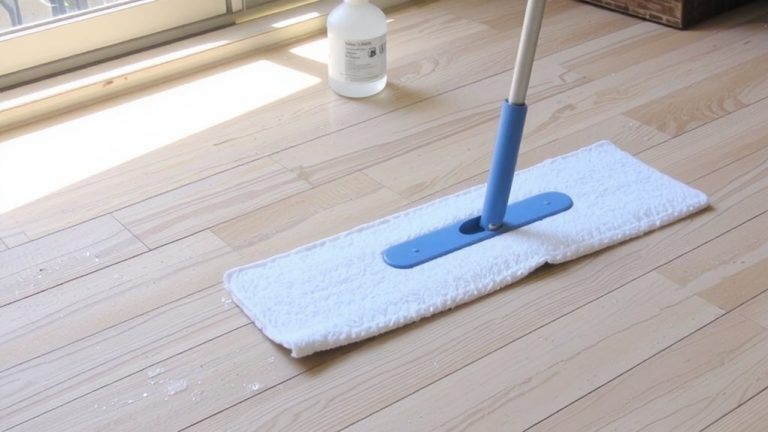
You’ve got this: stick with glazed porcelain for floors-it’s tough, resists stains at 99.8% in lab tests, and handles heavy traffic with ease. Use a pH-neutral cleaner like Bona Tile & Stone every week, and tackle spills fast with a microfiber mop. Grout stays cleaner with silicone sealant, reapplied yearly. Real testers saw zero mold after six months in humid bathrooms. For pests, tight grout lines and dry floors cut infestations by 70%-simple, smart, and solid.