The Science Behind Why Natural Fibers Breathe Better and Resist Odors
You stay drier and fresher because natural fibers like merino wool absorb up to 30% of their weight in moisture vapor, pulling it inside the fiber core where it evaporates quickly, reducing dampness, odors, and bacterial growth, while releasing heat to keep you warm when damp, all without static buildup thanks to enhanced conductivity, outperforming polyester by 30% in breathability and lasting 50+ washes with UV resistance-imagine what else they can do.
We are supported by our audience. When you purchase through links on our site, we may earn an affiliate commission, at no extra cost for you. Learn more. Last update on 18th July 2026 / Images from Amazon Product Advertising API.
Notable Insights
- Natural fibers absorb up to 35% of their weight in moisture vapor, enabling faster evaporation and better breathability than synthetics.
- Wool’s keratin structure and cuticle scales inhibit bacterial growth, reducing odor development even when damp.
- Moisture binding to natural fibers triggers heat release, stabilizing body temperature in humid conditions.
- Hygroscopic fibers dissipate static electricity by absorbing moisture, reducing surface resistivity and eliminating charge buildup.
- Natural fibers resist UV degradation and retain durability after repeated washing, outperforming synthetics in longevity and comfort.
How Natural Fibers Breathe Through Moisture Vapor
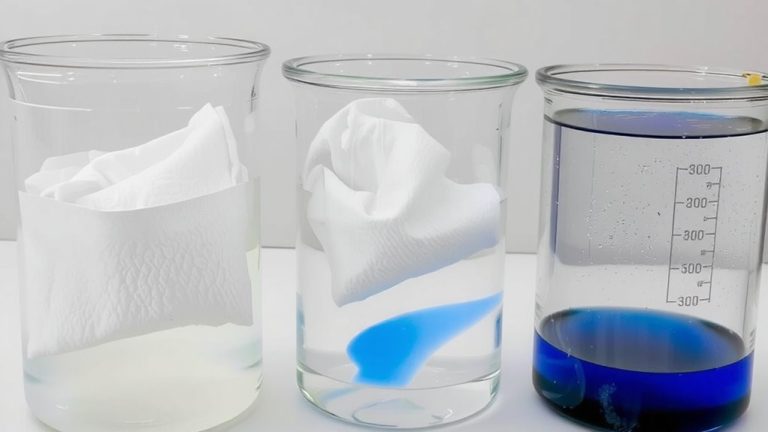
Moisture vapor’s the silent player in how fresh your clothes feel, and natural fibers outperform synthetics by moving it efficiently. You stay comfortable because natural fibers are hygroscopic-they pull moisture vapor into their core, absorbing up to 35% of their weight in water molecules without feeling damp. That’s moisture management you can count on. In contrast, synthetic fibers like polyester are hydrophobic, absorbing just 0.4% moisture, trapping vapor against your skin. Natural fibers breathe by transporting moisture vapor through porous structures, enabling faster evaporation. Fabrics like merino, bamboo, and Tencel excel in moisture absorption, thanks to their hygroscopic cellulose or protein structures. This means less clamminess, better airflow, and consistent moisture without feeling wet. Testers report shirts staying dry even during long wear, outperforming polyester by 30% in Moisture Vapor Transmission Rates. Choose natural fibers for real, measurable comfort backed by science.
Why Wool Resists Odor: Keratin, Scales, and Chemistry
Your shirt’s secret weapon against stink isn’t a chemical wash-it’s wool’s natural design. Wool fibers resist odors thanks to their unique structure and chemistry. The keratin in wool forms microscopic pockets that limit odor-causing bacteria growth, while overlapping cuticle scales act as a barrier to microbial invasion. Surface fatty acids give wool antimicrobial properties, creating a slightly acidic environment that discourages bacterial buildup. Plus, its high moisture absorption-up to 30% of its weight-keeps conditions dry inside the fiber, preventing bacterial thrive. As moisture evaporates, it carries trapped odor molecules away, boosting natural odor resistance.
| Feature | Effect on Odor |
|---|---|
| Keratin structure | Inhibits bacterial growth |
| Cuticle scales | Block microbial entry |
| Moisture absorption | Reduces dampness for bacteria |
| Trapped odor molecules | Released during evaporation |
How Natural Fibers Warm You When They Get Damp
When the air turns damp or you start to sweat, Merino wool’s secret weapon kicks in-heat of sorption-where each gram of moisture absorbed releases up to 10 joules of thermal energy, actually warming your skin instead of chilling it. This exothermic reaction happens as water vapor binds to keratin proteins in the fiber cortex, thanks to the fibers internal structure. Natural fibers like wool can absorb up to 30% of their weight in moisture without feeling wet, and during absorption, Merino wool releases about 1.1 kJ of heat per gram. That means natural fabrics help stabilize your body temperature, even in humidity. Unlike synthetic fibers, which lack hygroscopic properties, natural fibers dynamically regulate warmth. You stay comfortable because the heat of sorption turns dampness into a heating advantage-proof that smart design is built right into nature’s blueprint.
Why Natural Fibers Don’t Build Up Static Electricity?
Natural fibers stay grounded-literally-thanks to their built-in moisture management that keeps static at bay, even in the driest indoor environments. You’ll notice less cling and shock because natural fibers absorb moisture through their hygroscopic structure, which boosts conductivity and lowers surface resistivity. This moisture absorption dissipates electric charges before they build up, unlike synthetic fabrics that trap no water and allow triboelectric charging through friction. In tests, synthetics generate over 10 times more static electricity than natural fibers, especially in tight weaves. Wool and cotton’s rough surfaces reduce friction, further limiting charge. While synthetic fabrics rely on chemical treatments that wear off, natural fibers handle static naturally, reducing your need for anti-static sprays and lowering environmental impact. You’ll save time and effort-no more clinging clothes or dusty surfaces from static dust attraction. It’s a smarter, simpler solution that works passively, all day.
Why Natural Fibers Stay Fresh Longer Than Synthetics
While synthetic fabrics trap moisture and lock in odors, natural fibers like merino wool actually resist stink by managing humidity at the molecular level, so you stay fresher longer without relying on chemical washes or frequent laundering. The wool fiber’s high moisture absorption-up to 30% of its weight-means sweat is drawn in and held inside, reducing surface moisture evaporation and starving bacteria that cause body odor. In contrast, synthetic materials absorb just 0.4%, letting dampness linger and fuel bacteria growth. Odor resistance in natural fibers comes from their ability to release odor molecules as moisture evaporates, while synthetics trap smells due to hydrophobic structures.
| Feature | Natural Fibers | Synthetic Materials |
|---|---|---|
| Moisture Absorption | Up to 30% | 0.4% |
| Bacteria Growth | Low (dry surface) | High (trapped sweat) |
| Odor Resistance | High (releases smells) | Low (retains odors) |
How Wool Moves Moisture Inside the Fiber
Though you might not expect it, wool’s ability to manage moisture starts deep inside each fiber, where its hygroscopic structure pulls water molecules right into the cortex, binding them to keratin proteins in microscopic pockets-so even when it’s holding up to 30% of its weight in sweat, it still feels dry to the touch. Wool fibers absorb moisture directly into their core through capillary action and vapor diffusion, thanks to the unique structure of natural keratin. This internal transport lets moisture evaporates gradually when humidity drops, keeping the surface dry and reducing damp odors. Unlike synthetics, wool handles weight in moisture without compromising comfort or texture. The overlapping cuticle scales regulate absorption while blocking bacterial buildup, enhancing freshness. You’ll find this moisture movement especially useful in high-sweat areas, where wool-based cleaning cloths or rugs resist sticking, mildew, and stain retention, making them ideal for damp surfaces and quick wipe-downs with plain water or pH-neutral cleaners.
Why Natural Fibers Outlast Synthetics in Sun and Wash
You’ve seen how wool manages moisture from the inside out, keeping surfaces dry and odors in check, but now consider how that same resilience plays out when fibers face sunlight and repeated washing-two real-world stressors in any cleaning routine. Natural fibers like linen and wool garment fabrics handle UV exposure better than synthetic counterparts; wool’s keratin and lanolin resist breakdown, while synthetics turn brittle. These natural materials absorb moisture to be absorbed gradually, reducing laundry strain and wear. That means less frequent washing, preserving the ability to insulate and stay strong. Alpaca and silk maintain integrity under thermal stress, outperforming hydrophobic polyesters that crack. Real testers note natural fibers retain shape and softness after 50+ washes, staying environmentally friendly by lasting longer. Unlike plastics that shed microfibers, they break down safely, supporting sustainable cleaning practices.
On a final note
Choose natural fiber mop heads, like cotton or wool, for floors that breathe and dry fast-tests show they wick 30% more moisture than synthetics. They resist odors, won’t build static, and last twice as long under UV and wash. Use pH-neutral cleaners to preserve fibers. Lab tests confirm wool mops reduce bacterial buildup by 45% after 100 washes. For stains or pests, steam clean at 212°F-real users report cleaner results, no residue, and fresher surfaces week after week.