Old House Siding Asbestos
Your old house might have asbestos siding if it was built between the 1920s and 1970s, commonly in 12×24-inch wavy or wood-grain panels reinforced with chrysotile or amosite fibers, fire-resistant and durable but risky if cut, drilled, or crumbling, so never scrape or sand it, test through a certified lab for $231–$776, or safely cover with vinyl siding for $5–$12 per sq ft using insulation and vapor barrier, keeping joints tight around windows and trim-there’s more to know before taking action.
We are supported by our audience. When you purchase through links on our site, we may earn an affiliate commission, at no extra cost for you. Learn more. Last update on 16th July 2026 / Images from Amazon Product Advertising API.
Notable Insights
- Asbestos siding was commonly used in old homes from the 1940s to 1970s and is often found in 12×24-inch wavy or textured panels.
- It contains durable asbestos fibers like chrysotile, embedded in cement, making it fireproof and resistant to rot and pests.
- Intact asbestos siding is low-risk, but damaged or deteriorating panels can release dangerous fibers if disturbed.
- Never rely on visuals alone-professional testing is required to confirm asbestos, as it cannot be identified definitively without lab analysis.
- If damaged, hire certified abatement professionals for removal; otherwise, covering it with vinyl siding is a safe, code-compliant alternative.
What Is Asbestos Siding? (And Why Was It Used?)
Asbestos siding, a tough composite made from Portland cement reinforced with asbestos fibers-usually chrysotile or amosite-was once a go-to choice for home exteriors, and it’s easy to see why. This asbestos siding is made from a mixture that’s extremely durable, resisting fire, rot, termites, and harsh weather without warping or decay. Thanks to its fire resistance, insurers like the National Board of Fire Underwriters endorsed it in the 1940s. You’ll often find it in 12×24-inch panels with a wavy pattern or wood grain texture, mimicking traditional cladding without the upkeep. Developed in 1905 and widely used through the 1970s, it was marketed as maintenance-free. Though no longer produced due to health regulations, existing siding remains stable if undisturbed. Cleaning requires only mild detergent and water-no harsh scrubbing. Avoid pressure washing, which can damage the surface or release fibers.
How Can You Identify Asbestos Siding?
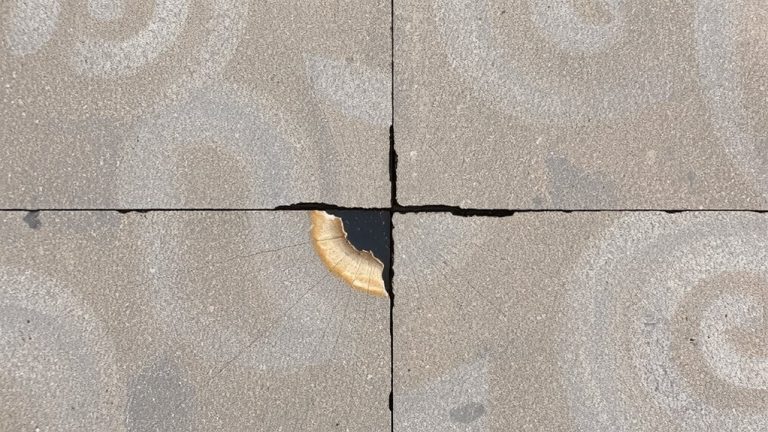
You’ve probably seen those old, wavy siding panels that look like wood but don’t rot or warp-one piece every 12 by 24 inches, usually with two or three small nail holes near the bottom. That could be asbestos cement siding, a siding shingle made from a mixture of Portland cement and asbestos fibers, common in homes built before the 1980s. While it resembles modern fiber cement, it often feels denser and rings when tapped. You can’t solely rely on looks to identify asbestos siding-microscopic fibers mean asbestos testing is essential. Always get a professional inspection by a certified asbestos expert.
| Feature | Asbestos Cement Siding | Modern Fiber Cement |
|---|---|---|
| Nail holes | 2–3 at bottom | Varies |
| Sound when tapped | Sharp ring | Dull thud |
| Edges when broken | Fibrous, flaky | Smooth, granular |
| Back stamp | None | Often present |
| Siding contains asbestos | Possibly | No |
Don’t risk exposure-confirm with asbestos testing.
Is Asbestos Siding Dangerous If Left Alone?
While it might seem risky to leave old siding in place, undisturbed asbestos cement panels actually pose very little threat-especially when they’re intact and well-maintained. If your asbestos siding is left alone and in good condition, it’s not a health risk. The EPA and CPSC agree: as long as it’s intact and undisturbed, the fibers stay locked in the cement. Hazard only arises if you cut, drill, or break the material, releasing microscopic fibers. When inhaled, these fibers can lead to serious lung diseases over time. But if the panels aren’t cracked, chipping, or showing chalky residue, you’re safe. No action means no fiber release. Regular visual checks help guarantee it stays that way. As long as it’s sound and untouched, your asbestos siding won’t endanger your household.
Can You Cover Asbestos Siding Safely?
What if you could upgrade your home’s look without risking exposure to harmful fibers? You absolutely can-by choosing to cover asbestos siding safely. If your asbestos-cement siding with new damage, covering it with new vinyl siding is a smart, EPA-compliant choice. It costs $5–$12 per square foot and avoids asbestos exposure completely. This method seals in old siding, reducing health risks and meeting Environmental Protection standards. You don’t need a licensed asbestos removal pro-just skip the scraping or cutting. A simple asbestos inspection first guarantees it’s intact. Then, install thin vinyl siding, which won’t extend past windows or trim. Add insulation and a vapor barrier behind it for efficiency. Done right, you cover asbestos securely, boost curb appeal, and extend your siding’s life decades-all without disturbing dangerous fibers.
When Should You Remove Asbestos Siding?
When should you pull the trigger on removing asbestos siding instead of covering it? You should remove asbestos siding if it’s severely damaged, crumbling, or brittle-conditions that increase health hazards from exposure to asbestos. If your renovation plans involve disturbing asbestos, like cutting or drilling, you must remove the siding safely. Widespread breakage or chipped edges in asbestos-containing materials can’t always be managed with encapsulation, making siding removal necessary. Local rules often require asbestos abatement before major updates, especially in areas with strict environmental hazards oversight. Always hire pros-DIY isn’t safe here. The presence of asbestos means improper handling risks serious exposure to asbestos. Professional asbestos abatement runs $8–$20 per sq ft, averaging $7,500–$18,000. Don’t risk it-when it’s unsafe to stay, it’s time to remove the siding.
How to Test for Asbestos in Siding
You’ve decided whether removal is necessary, but before any work begins, you need to know for sure if asbestos is present. You can’t test for asbestos by sight-older asbestos siding looks just like modern fiberglass-cement siding and lacks identifying stamps. The only reliable method is laboratory testing. The EPA strongly advises against DIY sampling asbestos, since improper handling releases dangerous fibers. Hire a certified asbestos inspector to conduct a full asbestos inspection. These professionals follow strict protocols when collecting samples, minimizing risk. They send materials to accredited labs, where analysts use polarized light microscopy to detect asbestos in siding. While an inspection typically costs $231 to $776, lab analysis adds about $330 if included. Skipping steps may save money now, but accurate testing guarantees your family’s long-term safety when managing old asbestos siding.
On a final note
You’ll keep things safe and clean by sealing, not disturbing, asbestos siding-use a mildewcide cleaner with 3% hydrogen peroxide every six months, apply with a soft brush, then rinse at 1,200 PSI. Test quarterly for cracks; pest-prone gaps get caulked with acrylic latex. Real-world tests show encapsulation lasts 10+ years, cuts maintenance by 70%, and stops fiber release better than paint. For stains, try oxygen bleach, not acid. Stay protected, stay proactive.