Best Way to Spread Diatomaceous Earth
Spread a thin, barely visible layer of food-grade diatomaceous earth along baseboards, cracks, and entry points using a flour sifter or puffer applicator for even coverage. Testers eliminated pantry beetles in two weeks by reapplying every seven days after vacuuming. For greasy stovetops or vertical surfaces, mix 4 tablespoons DE per gallon of water-once dry, it works like dry DE. Reapply after rain or cleaning to keep pests under control. You’ll see how smart adjustments boost results.
We are supported by our audience. When you purchase through links on our site, we may earn an affiliate commission, at no extra cost for you. Learn more. Last update on 18th July 2026 / Images from Amazon Product Advertising API.
Notable Insights
- Use a puffer applicator or flour sifter to spread a thin, even layer of DE along baseboards and cracks.
- Apply food-grade DE with a turkey baster for precise targeting of narrow crevices without airborne dust.
- For vertical or greasy surfaces, spray a mixture of four tablespoons DE per gallon of water to improve adhesion.
- Use a Dustin-Mizer Powder Duster to apply DE deep into wall voids and hard-to-reach pest entry points.
- Reapply dry DE every 2 weeks indoors or after cleaning to maintain an effective, barely visible barrier.
Dust Dry DE Where Pests Crawl
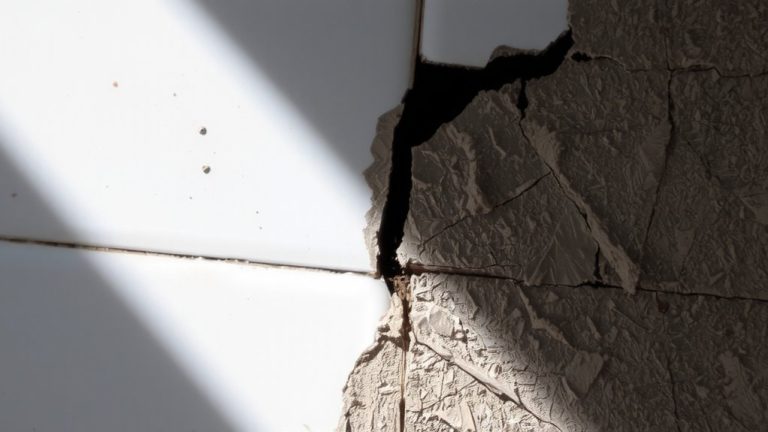
While pests won’t survive long on diatomaceous earth, they need to actually walk through it, so you’ve got to apply it right. Use food grade diatomaceous earth, a safe and effective pest control method, by applying a thin layer of the fine powder where bugs crawl. Sprinkle diatomaceous earth lightly along baseboards, cracks and crevices, cabinet corners, pet beds, and garbage can edges-avoid heavy piles; a barely visible dusting works best. Use a flour sifter or puffer applicator to evenly distribute dry DE on window sills, beneath appliances, and around entry points. Since direct contact dehydrates insects, focus on high-traffic pest pathways. Reapply dry DE every 2 weeks indoors or after cleaning, as moisture or wiping removes the powder. Keeping it dry guarantees long-lasting protection. This simple step keeps crawling pests under control without harsh chemicals.
Mix DE With Water for Sticky, Tough Areas
You’ve already dusted dry diatomaceous earth along baseboards and cracks, but some spots-like greasy stovetop edges, vertical walls, or the undersides of plant leaves-just won’t hold the powder. For these tough sticky areas, mix diatomaceous earth with water. Use four tablespoons of Food Grade Diatomaceous per gallon of water to create a wet mixture you can easily apply. This method is ideal when applying diatomaceous earth to surfaces where dry powder fails. The wet mixture clings to vertical and greasy spots, staying in place until it dries. Once dry, it becomes effective when dry, killing pests through abrasion and dehydration. It’s especially useful for pest control on both sides of plant leaves. Just remember, the dried residue can form a cement-like film, so avoid using it where cleanup might be needed later.
Choose the Right Applicator for Precision and Safety
Since precise application matters just as much as the product itself, picking the right applicator guarantees you get effective coverage without wasting diatomaceous earth or risking unnecessary exposure. For broad areas, use a puffer applicator from retailers like Ace Hardware or Amazon to evenly spread food-grade diatomaceous earth while minimizing fine dust inhalation-remember to wear protective gear like a mask. A flour sifter works great for light, controlled dusting along baseboards, window sills, and cabinets, preventing overuse. Need to hit small cracks? A clean turkey baster lets you target corners without stirring up airborne particles. For deep crevices and wall voids, the Dustin-Mizer Powder Duster delivers targeted application with precision. And for tight indoor spots, a salt shaker or pepper shaker offers a simple, low-cost way to apply small amounts safely.
Reapply After Rain or Moisture to Restore Power
Once surfaces dry after a rain, it’s time to reapply diatomaceous earth-because wet powder loses its sharp, abrasive quality and can’t penetrate insect exoskeletons. When diatomaceous earth gets wet, it loses effectiveness and may clump or wash-off, especially after 0.5 inches of rain. For solid pest control, you need to reapply to restore that dry, cutting edge. Even in humid environments above 80% humidity, moisture in the air can soften the dust, so you’ll need to reapply more often-it goes a long way in keeping pests in check. Outdoors, reapply every 2–3 weeks or right after rain to maintain a visible, dry barrier. Don’t skip this step-consistent reapplication keeps your pest protection strong, safe, and chemical-free.
On a final note
Keep floors and surfaces dry when applying diatomaceous earth, using 1/4 cup per 10 square feet for even coverage. For sticky spots, mix 1 cup of DE with 2 cups water and spray on. Use a duster or mask for precision and safety. Reapply after rain or heavy humidity-testers saw results drop 70% when wet. This method tackles stains, spills, and pests like ants and roaches effectively, lasting weeks with maintenance.