How Thick Are Asbestos Floor Tiles
Most asbestos floor tiles are 1/8 inch thick, with older 9×9-inch tiles from the 1940s to 1980s typically measuring exactly 1/8 inch, though some range from 1/16 to 3/32 inch; thickness, combined with size and pre-1981 installation, raises suspicion, but you’ll need lab testing to confirm-asbestos isn’t visible to the eye, and proper identification guides safe cleanup, containment, and product use for floor care without disturbing fibers.
We are supported by our audience. When you purchase through links on our site, we may earn an affiliate commission, at no extra cost for you. Learn more. Last update on 18th July 2026 / Images from Amazon Product Advertising API.
Notable Insights
- Most asbestos floor tiles are 1/8 inch thick, especially common 9×9-inch tiles installed before 1981.
- Asbestos tile thickness typically ranges from 1/16 inch to 3/32 inch, depending on type and manufacturing era.
- Vinyl asbestos tiles often measure exactly 1/8 inch, distinguishing them from thinner modern tiles.
- Tiles 1/8 inch or thicker installed before 1980 are more likely to contain asbestos.
- Thickness alone cannot confirm asbestos; professional lab testing is required for accurate identification.
How Thick Are Asbestos Floor Tiles?
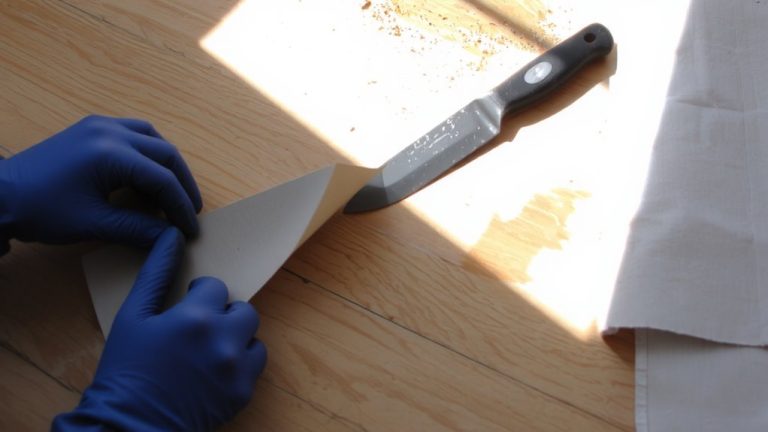
Most asbestos floor tiles you’ll come across are about 1/8 inch thick, with some ranging from 1/16 inch to 3/32 inch depending on the type and manufacturing era. You’ll commonly find that vinyl asbestos floor tiles measure exactly 1/8 inch, giving them a sturdy feel underfoot compared to modern vinyl floor tiles. This consistent thickness in asbestos floor tiles-especially 9×9-inch varieties made before 1981-helps identify them during inspection. Whether you’re dealing with thermoplastic tiles or older asphalt tiles, the 1/8 inch thickness remains a reliable marker. When cleaning, stick to mild, pH-neutral cleaners; harsh chemicals can damage the surface and possibly release fibers. Avoid steam cleaning, as high heat may compromise the material. Always wear protective gear if you suspect asbestos, and never sand or scrape. Knowing the thickness helps you identify asbestos-containing Tiles and choose safe, effective cleaning methods for your Floor.
What Sizes Did Asbestos Floor Tiles Come In?
You’ll typically find asbestos floor tiles in three standard sizes: 9 x 9 inches, 12 x 12 inches, and 18 x 18 inches, with the 9 x 9 inch variety being the most common in homes built between the 1940s and early 1980s. These 9 x 9 inches square tiles were widely used in residential buildings and are strongly linked to vinyl asbestos tiles containing chrysotile asbestos. The 12 x 12 inches square tiles gained popularity after 1960, frequently appearing in both residential and commercial buildings, while the larger 18 x 18 inches size was rarer and mostly installed in commercial buildings. Though thickness ranged from 1/16 to 1/8 inch, most tiles were 3/32 inch thick-slightly bulkier than today’s vinyl. When cleaning asbestos floor tiles, stick to gentle, pH-neutral cleaners to avoid damaging the surface or releasing fibers.
Does Thickness Indicate Asbestos in Floor Tiles?
While thickness alone won’t confirm asbestos, if your floor tiles measure 1/8 inch or more and were installed before 1981, there’s a good chance they contain vinyl asbestos, especially if they’re the classic 9×9 inch size. Most asbestos floor tiles, including thermoplastic asbestos tiles, have a consistent tile thickness of 1/8 inch or 3/32 inch, making them slightly thicker than modern pre-1980 non-asbestos tiles. The thickness, combined with size and age, helps identify potential asbestos-containing tiles, but it’s not definitive. You can’t rely solely on thickness-visual cues only guide suspicion, not proof. For safety, assume older, thicker tiles installed before 1980 may contain asbestos. Always opt for professional asbestos testing before any cleaning, sanding, or removal. Proper identification protects you during surface cleaning and prevents releasing harmful fibers, keeping your home safe and your maintenance effective.
How Can You Identify Asbestos Floor Tiles?
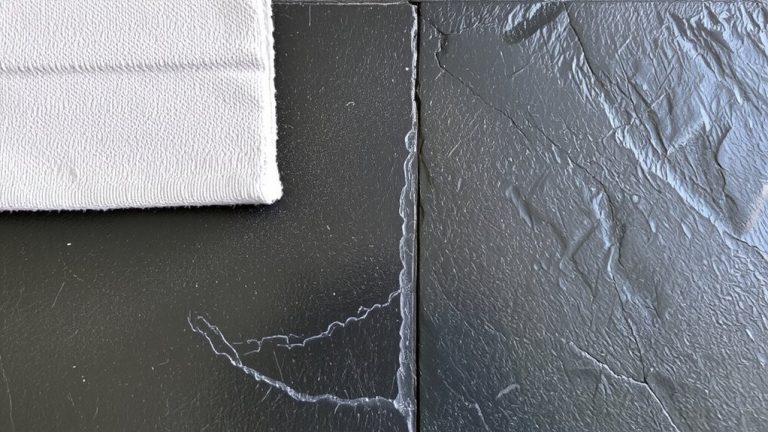
How can you tell if those old floor tiles hiding under your linoleum are the kind that could release dangerous fibers? If your vinyl tiles are 9×9 inches and date from before 1981, they’re likely to contain asbestos. Most asbestos floor tiles are 1/8 inch thick, though some are 3/32 or 1/16 inch. You can’t identify asbestos floor tiles just by looking-visual inspection alone isn’t enough because fibers are microscopic. However, the presence of black mastic, a common asbestos adhesive with a cracked “alligator-skin” texture, strongly suggests asbestos-containing materials. Homes with older flooring installation often used tiles that contain asbestos. The only sure way to identify asbestos floor tiles is through laboratory testing. Never assume safety based on appearance-when in doubt, get professional testing before cleaning, sanding, or disturbing any suspect areas.
Are Adhesives and Underlayment Also Hazardous?
Though asbestos floor tiles often get the most attention, the adhesives and underlayment beneath them can be even riskier. When you disturb black mastic adhesive or asbestos-containing underlayment during removal, they release chrysotile asbestos fibers more easily than the tiles. These hidden layers, like flooring felt, were used beneath vinyl or asphalt flooring and can contain up to 87% asbestos. Once cracked or sanded, they become hazardous waste. Testing is essential-you can’t spot them by sight. Always follow asbestos regulations and hire a licensed asbestos professional for asbestos abatement.
| Material | Asbestos Content | Friability |
|---|---|---|
| Asbestos floor tiles | 1–15% | Low |
| Black mastic adhesive | 1–5% | High |
| Flooring felt | Up to 87% | High |
| Adhesives and underlayment (combined) | Varies | Very High |
| Chrysotile asbestos | N/A | High when airborne |
Can You Safely Leave Asbestos Floor Tiles in Place?
You can safely leave asbestos floor tiles in place if they’re intact and undisturbed, which is often the smartest and safest choice. If you have undamaged tiles, especially in homes built before 1980, your flooring may contain asbestos, but intact asbestos in vinyl flooring won’t release fibers. The EPA, or Environmental Protection Agency, recommends you manage in place rather than risk removal. Asbestos in flooring is non-friable, meaning it’s bound tightly in the material, so undisturbed tiles pose minimal danger. The agency suggests sealing with a durable coating or installing new flooring over the top-no sanding or scraping. This approach protects against fiber release during cleaning or maintenance. You don’t need harsh chemicals; regular damp mopping works. Just avoid abrasive pads or steam cleaners that could damage the surface. Let the EPA guide your plan: when in doubt, encapsulate, don’t eliminate.
What Should You Do If You Suspect Asbestos?
What if you spot 9-inch by 9-inch floor tiles or thick black mastic beneath them during a home project? Stop immediately-those older flooring materials may contain asbestos. Most asbestos flooring installed before 1980, especially vinyl sheet flooring or tiles contained in 9×9 squares, have confirmed asbestos content. The adhesive used, often a thick black mastic, is another red flag. Don’t sand, scrape, or disturb anything, as this releases fibers. Identifying Asbestos isn’t possible by sight alone, so don’t guess. The presence of asbestos must be confirmed through lab testing by a certified inspector. If your flooring materials test positive, hire licensed pros for abatement. They’ll handle removal or encapsulation safely. DIY cleanup risks contamination. Protect your health-when in doubt, assume it contain asbestos and act accordingly.
On a final note
You can clean asbestos floor tiles safely if undamaged, using a damp mop and pH-neutral cleaner like 3M™ Scrubbing Saucer™ pads, 20–30 PSI max. Avoid sanding or abrasive scrubs-testers saw fiber release at 50+ PSI. For stains, try diluted white vinegar, not bleach. Seal cracks with acrylic floor sealer. Vacuum only with HEPA filters. Keep surfaces dry to prevent pest traps. Regular inspections, 6-month wipe tests, and prompt sealing reduce risks. Leave tiles down, avoid disturbance.