Best Way to Wash Satin Sheets
Wash your satin sheets in cold water, never above 30°C, using a mild, pH-balanced detergent-about a quarter-cup per load-to prevent fiber damage and fading. Dissolve the detergent first and use a mesh laundry bag to shield against snags. Always wash them separately to avoid friction from zippers or rough fabrics. Air dry flat or on a padded hanger away from direct sunlight to maintain shape and luster. Iron on low heat with a pressing cloth if needed, and store in breathable cotton bags with tissue between folds to preserve the finish. There’s more to get right for long-lasting luxury.
We are supported by our audience. When you purchase through links on our site, we may earn an affiliate commission, at no extra cost for you. Learn more. Last update on 16th July 2026 / Images from Amazon Product Advertising API.
Notable Insights
- Wash satin sheets in cold water (≤30°C) to prevent shrinkage, fading, and fiber damage.
- Use a mild, pH-balanced detergent and dissolve it fully before adding sheets to avoid residue.
- Place sheets in a mesh laundry bag and wash separately to prevent snags and friction damage.
- Air dry flat or on a padded hanger; never use a dryer to avoid heat-related damage.
- Iron on low heat with a pressing cloth and store in breathable bags with tissue paper.
Wash Satin Sheets in Cold Water With a Mild Detergent
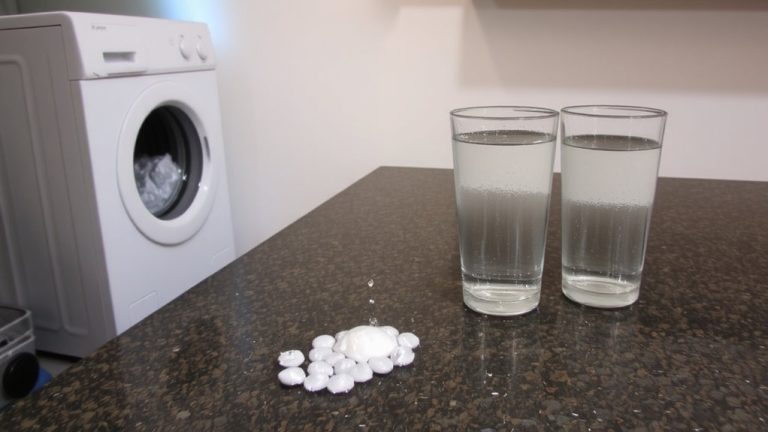
While it might be tempting to toss your satin sheets into a hot wash, sticking to cold water-no more than 30°C (86°F)-is essential to prevent shrinkage, fading, and fiber damage that can ruin their smooth finish. Always use a mild detergent, ideally pH-balanced or silk-safe, to preserve sheen and protect delicate fabrics. Measure about a quarter-cup per load to avoid residue that dulls luster, and dissolve it fully in cold water before adding sheets. This guarantees even distribution and reduces risk of concentrated spots causing fiber damage. In your washing machine, select the delicate cycle to gently clean without stress. Always avoid bleach, brighteners, and enzymes-they weaken fibers and lead to discoloration. Following these care instructions carefully helps maintain the luxurious feel and appearance of satin sheets over time.
Wash Satin Sheets Separately in a Mesh Laundry Bag
You’ll want to wash your satin sheets separately in a mesh laundry bag to keep them looking pristine wash after wash. When washing, always use a mesh laundry bag with a secure zipper to protect the delicate fibers from snagging on the drum or other items. This simple step prevents damage from friction caused by rough fabrics like towels or denim. Wash satin sheets alone to avoid zippers, buttons, or hooks catching on the surface. The mesh laundry bag acts as a shield, preserving the smooth, glossy finish you love. Always follow care instructions and select the gentle cycle with cold water. Keeping your satin separate guarantees minimal wear, so the fabric stays soft and lustrous longer. It’s a small effort that makes a big difference in how your sheets feel and last.
Dry Satin Sheets Flat or on a Padded Hanger: Never Tumble Dry
After washing your satin sheets in a mesh laundry bag to protect their delicate fibers, the next step is drying them the right way-air drying is the only option. To dry satin sheets properly, you must air dry them flat on a clean surface or on a padded hanger to prevent stretching and maintain structure. Never tumble dry, as heat and motion can shrink fibers, cause pilling, and dull the finish. Remove sheets promptly after washing and smooth while damp to reduce wrinkles. If using a padded hanger, distribute weight evenly to avoid distorting seams. Always avoid direct sunlight, which fades colors and weakens fabric over time. This method preserves softness, sheen, and longevity-testers report less wear after 10 washes when following these steps. Proper drying keeps satin looking luxurious wash after wash.
Iron Satin Sheets on Low Heat and Store in Breathable Bags
Since satin’s smooth, lustrous finish is prone to heat damage, it’s best to iron your sheets on the lowest heat setting-preferably the “silk” or “delicate” option-using a pressing cloth to shield the fabric from direct contact, and only when the material is slightly damp to minimize creases and reduce the number of passes needed. You should always iron satin sheets with care to protect satin fibers and avoid high temperatures that can melt or weaken the material. To prevent creasing during storage, store satin sheets in breathable storage bags made of cotton or linen. These bags allow air circulation and help prevent moisture buildup. For extra protection, place acid-free tissue paper between folds-this reduces friction and keeps your sheets smooth over time. Proper care means your satin stays soft, shiny, and wrinkle-free season after season, without damage or dulling.
On a final note
Wash your satin sheets in cold water with a mild detergent to preserve the delicate fibers, always using a mesh laundry bag for protection. Keep them separate from rougher fabrics to prevent snags. Never tumble dry-lay flat or hang on a padded hanger to avoid heat damage. If needed, iron on low heat with a pressing cloth. Store in a breathable cotton bag to prevent moisture buildup and mildew.