Best Way to Clean Slate
Sweep your slate weekly with a soft-bristled broom, or daily in busy areas, to prevent grit buildup. Use a pH-neutral cleaner like Sh-Clean-1 oz per gallon of water-to protect the sealer and stone. Mop with a damp microfiber cloth, following the grain, and rinse the head often. Dry right away with a soft towel to stop water spots and sealer damage. For disinfecting, stick to hypochlorous acid or Sh-Clean; skip vinegar or bleach. There’s more to keeping slate looking sharp, especially when it comes to long-term care.
We are supported by our audience. When you purchase through links on our site, we may earn an affiliate commission, at no extra cost for you. Learn more. Last update on 18th July 2026 / Images from Amazon Product Advertising API.
Notable Insights
- Sweep weekly with a soft-bristled broom to remove dust and grit, avoiding stiff or metal bristles that can scratch slate.
- Use a pH-neutral cleaner like Sh-Clean diluted properly to prevent etching and protect the stone’s natural surface.
- Mop with a damp microfiber cloth, not soaking wet, to prevent water damage and sealer breakdown.
- Dry the slate immediately after cleaning with a soft microfiber towel to avoid water spots and moisture absorption.
- Disinfect safely using hypochlorous acid or pH-neutral cleaners, never vinegar, bleach, or steam, which damage slate and sealer.
Sweep Slate Floors to Remove Grit
While regular cleaning keeps your slate floors looking great, starting with dry cleanup is key to avoiding surface damage. You should sweep slate floors at least once a week using a soft bristled broom to lift dust and prevent grit from grinding into the surface. In high foot traffic areas, daily sweeping helps reduce wear on the sealant. For deeper cleaning, use a vacuum with soft brush attachment-it pulls grit from grout lines more effectively than a broom. Avoid stiff or metal bristles; they can scratch. A dry mop works too, but only after you’ve removed loose debris. This step guarantees mopping doesn’t smear dirt or cause abrasion. Regular dry maintenance keeps surfaces smoother, preserves sealant, and extends time between deep cleanings. Testers found floors stayed cleaner longer when dry cleaning came first. Consistent, simple care makes a real difference.
Clean Slate With a pH-Neutral Cleaner
Since protecting your sealed slate floors starts with the right cleaner, you’ll want to reach for a pH-neutral option like Sh-Clean-it’s designed specifically for natural stone and keeps the surface safe from chemical damage, streaks, and dull patches. When you clean slate, skip vinegar or lemon, dish detergent, or any harsh chemicals; they strip sealers and etch slate tiles over time. A proper pH-neutral cleaner maintains the integrity of the stone, preventing discoloration and buildup. For best results, dilute the pH-neutral cleaner as directed-usually 1 oz per gallon of water-to avoid residue or over-saturation. Sh-Clean’s no-rinse, non-toxic formula makes cleaning slate simple and safe for bathrooms or high-traffic areas. Weekly use preserves your slate’s natural look, fights stains, and extends the life of your floor-no streaks, no dullness, just a consistently clean slate.
Mop Using a Damp Microfiber Cloth
When you’re ready to mop, reach for a microfiber cloth dampened with a pH-neutral cleaner like Sh-Clean-just mix 1 oz per gallon of water, wring it out well, and go, since the cloth should only be damp, not wet, to protect your sealed slate from water spots or sealer breakdown. Use a soft, non-abrasive microfiber mop to clean in small sections, following the slate’s grain to prevent streaks and lift dirt gently. Rinse the mop head often in clean water to avoid redepositing grime. The pH-neutral cleaner requires no rinsing, preserving the sealer while cutting buildup. After mopping, let the floor air dry completely-this keeps the surface spot-free and the seal intact. For best results, testers recommend a well-wrung microfiber mop every time, ensuring effective, safe cleaning without excess moisture.
Dry Slate to Preserve the Sealer
After mopping, you’ve got to dry your sealed slate right away-grab a soft, clean microfiber towel and wipe the surface thoroughly to stop water spots and mineral deposits before they form, because even small amounts of standing moisture can seep into micro-pores and weaken the sealer’s bond over time. Make sure to use a pH-neutral cleaner like Sh-Clean, which leaves no residue and needs no rinsing, reducing the risk of excess moisture. While you can let the surface air dry, only do so if your mop was barely damp-otherwise, skip air drying to protect the sealer. The drying process matters: a soft microfiber towel pulls up moisture fast without scratching.
| Method | Result |
|---|---|
| Air dry (damp mop only) | Low risk, takes 10–15 mins |
| Dry with microfiber towel | Immediate, safest for sealer |
Disinfect Safely Without Damaging Stone
While keeping your sealed slate floor germ-free, you’ll want to disinfect without compromising the stone’s finish, and that means choosing the right cleaner. Use a hypochlorous acid (HOCL) solution-it’s non-toxic, kills 99.9% of bacteria, and is safe for homes with kids. Apply a pH-neutral cleaner like Sh-Clean, formulated for natural stone, to sanitize without etching or degrading the sealer. Avoid vinegar, bleach, and citrus-based cleaners; their acidity can damage slate and leave a chalky residue. Never use hydrogen peroxide or steam cleaners-both can compromise the sealer’s integrity. Skip abrasive cleaning tools, which scratch the surface. Instead, wipe with a soft microfiber mop. After cleaning, let the slate tile air dry or buff lightly to prevent water spots. Using the right products guarantees effective cleaning and long-lasting protection, keeping your slate looking sharp without risking long-term harm.
Deep Clean and Oil for Long-Term Care
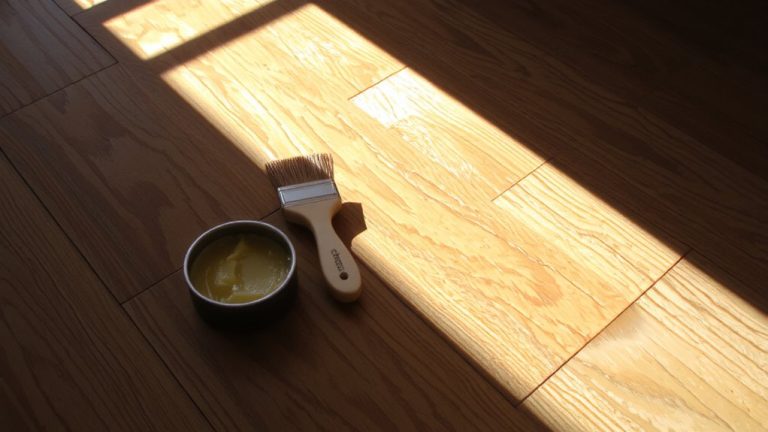
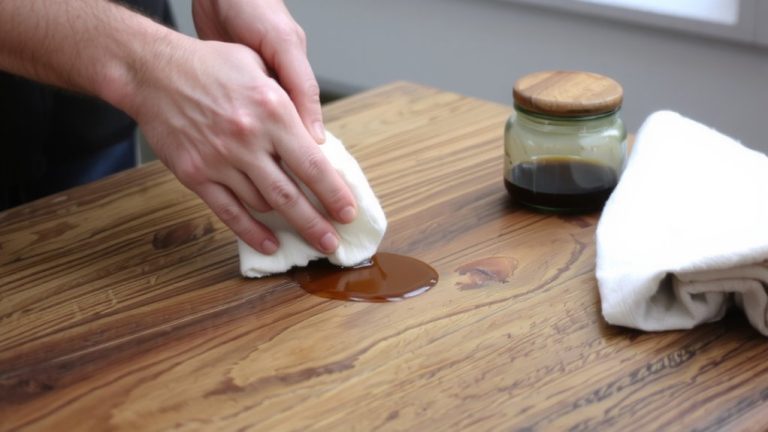
Though slate is tough, giving it a deep clean and oil treatment yearly keeps it looking fresh and protected against the elements. Start your deep clean with a mix of mild dish soap and water, using a soft scrub pad to loosen dirt-no need to let it sit, just scrub and rinse thoroughly with a hose. Let the surface air dry completely before moving on. Then, apply a thin layer of teak oil or slate oil using a soft cloth in circular motions to boost color and repel moisture. Teak oil’s more affordable and easier to find than slate oil, though both work well. For long-term care, reapply oil each year after your deep clean and add a clear stone sealant brushed on annually. This routine enhances durability, supports regular cleaning, and keeps your slate looking sharp for years.
On a final note
Sweep daily with a soft-bristle broom to prevent grit buildup, then mop weekly using a pH-neutral cleaner diluted at 1:10 with water. Always use a damp microfiber cloth-never soaking wet-and dry thoroughly to protect the sealer. For disinfecting, skip bleach; use a stone-safe hydrogen peroxide solution. Every six months, deep clean and apply mineral oil to enhance durability and stain resistance, just like testers did in high-traffic kitchens.