Understanding How Pests Develop Resistance to Repeated Treatments
You’re seeing spray after spray fail because repeated use of the same insecticide, like bifenthrin, pushes pests to evolve fast, especially in German cockroaches breeding six generations a year. Resistant genes spread quickly, and once 20% of the population survives, control collapses. Target-site changes block chemical access, while metabolic resistance breaks toxins down. Clean floors with enzyme-based cleaners to remove food residues, then rotate IRAC 3A, 4A, and 28 insecticides to disrupt selection-this precision slows resistance better than constant spraying. Try combining sticky traps, thorough sanitation, and non-chemical tools to outsmart survivors and protect your spray’s power, so your next move hits harder than the last.
We are supported by our audience. When you purchase through links on our site, we may earn an affiliate commission, at no extra cost for you. Learn more. Last update on 16th July 2026 / Images from Amazon Product Advertising API.
Notable Insights
- Repeated insecticide use kills susceptible pests, leaving resistant individuals to reproduce and pass on resistance genes.
- Target-site insensitivity, like kdr mutations, prevents insecticides from binding to nerve cells, reducing efficacy.
- Metabolic resistance involves enzymes breaking down insecticides before they can act, often causing cross-resistance.
- Resistance spreads faster in pests with high reproduction rates, such as German cockroaches, which produce six generations yearly.
- Rotating insecticides with different IRAC modes of action helps delay resistance development in pest populations.
Understand How Pests Develop Insecticide Resistance
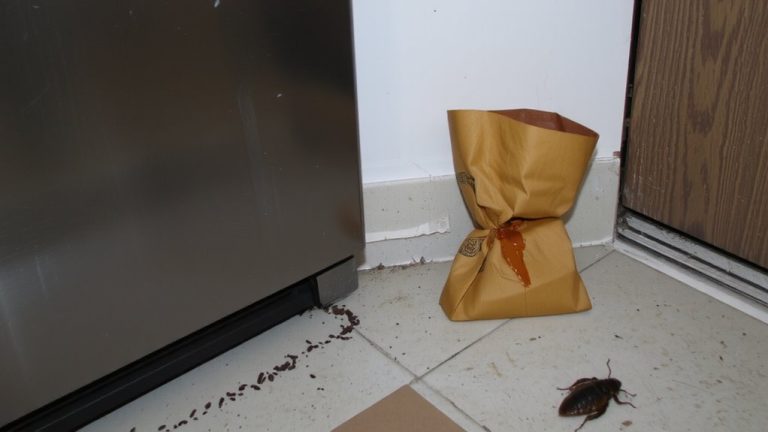
While you’re tackling a cockroach problem with common sprays like bifenthrin, those that survive aren’t just lucky-they’re genetically equipped to resist the treatment, and they’re already passing those traits to the next generation fast, with German cockroaches producing up to six cycles of offspring each year. This repeated exposure creates intense selection pressure, rapidly shifting the pest population toward resistant individuals. Insecticide resistance emerges when mechanisms like target site insensitivity or elevated detoxification enzymes reduce a chemical’s mode of action. Resistant cockroaches may carry dominant or recessive genes, and resistance becomes significant once it hits 20% of the population. To slow resistance, rotate products with different modes of action, clean floors thoroughly with enzyme-based cleaners, remove food residues, and seal entry points-cutting down on the conditions that sustain infestations and reduce your treatment’s effectiveness over time.
See How Genetics Enable Resistance in Bug Populations
Genes are the hidden engine behind pest resistance, and they’re working faster than you might think. When you use an insecticide, it’s the genetics of pest populations that determine resistance development. Some bugs inherit resistant traits through dominant genes-just one copy (Sr) lets them survive and pass it on fast. Others need two recessive copies (rr) to resist the pesticide, slowing things down a bit. But in pests like German cockroaches, with up to six generations per year, even recessive resistance spreads quickly. Once 20% of a population carries resistant genes, you’ll start seeing control failures. That’s why rotating treatments matters. You can’t rely on one product forever. Combine cleaning floors with EPA-approved disinfectants, remove food residues at 1,000 ppm bleach solution, and vacuum cracks to disrupt breeding-giving insecticides a better shot before resistance dominates.
Stop Overuse That Accelerates Insecticide Resistance
When you keep spraying the same pyrethroid insecticide like bifenthrin week after week, you’re not just chasing bugs-you’re breeding them. That overreliance creates intense selection pressure, killing off susceptible pests while letting the resistant pest survive and reproduce. With German cockroaches churning out six generations a year, consecutive applications can make insecticide resistance take hold in weeks. Once 20% of the population carries resistance genes, pesticide resistance cuts field efficacy sharply. You’re not just wasting time-you’re making the problem worse. Smart resistance management means breaking the cycle. Rotate modes of action, but better yet, reduce reliance on chemicals altogether. Combine cleaning floor and surfaces with effective cleaning products, remove food sources, and use traps to monitor strain presence. Integrated pest management (IPM) isn’t just a buzzword-it’s your best defense, cutting selection pressure and slowing resistance where sprays alone fail.
Distinguish Target-Site From Metabolic Resistance
Because the nerve cells in resistant pests can change their shape just enough to block insecticides from sticking, you’re not always dealing with dirty floors or poor spray coverage-sometimes it’s biology working against you. This is target-site resistance, where mutations in the nervous system, like kdr in sodium channels, stop pyrethroids from binding, making treatments fail even with perfect application. In contrast, metabolic resistance uses enzymes-such as esterases or P450s-to break down insecticides before they reach their target. Mutations boost these enzymes, speeding resistance development. While metabolic resistance can neutralize multiple insecticide types, target-site resistance is often specific, affecting only those acting on certain nerve receptors. You might clean thoroughly and use labeled rates, but if pests have either resistance type, standard sprays won’t work. Spotting the difference helps you choose better treatments and rotate modes of action, slowing further resistance.
Spot Early Signs of Insecticide Failure in Crops
Even if you’re spraying at the right rate and covering every leaf, you might still see bugs hanging on when they shouldn’t-especially if more than 20% of the target pests survive after treatment. That survival could signal resistance development in your pest population. When insecticides and miticides-especially repeated applications of the same IRAC class-start failing, control failure follows. If you’re getting less than 80% efficacy despite proper pesticide application, and you know susceptible stages were exposed, resistance is likely. For example, Colorado potato beetles have shown resistance to neonicotinoids after just a few applications. Monitoring pest numbers before and after spray applications helps catch issues early. You’ll want to act fast when survival rates climb, since unchecked resistance development can spread through a population quickly. Spotting these early signs lets you adjust before crop damage becomes widespread.
Rotate Insecticide Modes of Action to Delay Resistance
If you’re relying on the same type of insecticide over and over, you’re stacking the odds in favor of resistant pests, and that’s a gamble you don’t want to take. Smart resistance management means rotating pesticides with different modes of action to keep insect populations under control. Avoid making two consecutive applications from the same IRAC group-even if the active ingredients differ-since pests can start developing resistance fast. Use the color and numeric codes on labels to track which mode of action you’re using. Here’s how some common groups compare:
| MOA Group | Example Class |
|---|---|
| 3A | Pyrethroids |
| 4A | Neonicotinoids |
| 28 | Diamides |
Switching between different modes of action disrupts pest adaptation. Proper rotation is key to effective, long-term control and sustainable pest management.
Reduce Sprays With IPM Strategies
You’ve already taken a smart step by rotating insecticide modes of action to slow resistance, but cutting down on sprays altogether is where real gains happen. Integrated pest management (IPM) helps reduce sprays by combining tactics like crop rotation, biological controls, and sanitation. For example, rotating crops disrupts pest cycles and can slash aphid numbers by 60–90%. Using beneficial insects like *Beauveria bassiana* or parasitic wasps cuts reliance on chemical active ingredients. Regular scouting and economic thresholds prevent unnecessary insecticide applications-saving up to 30% in veggies. Removing crop residues and weeds reduces pest habitats by up to 70%, keeping early populations low. These IPM strategies maintain yield and keep pests susceptible to pesticides. When you reduce sprays, resistance occurs less often, protecting crop production long-term. You’re not just managing pests-you’re staying ahead of pest resistance.
On a final note
You’ve got the tools to fight pests and keep surfaces clean, but overusing sprays speeds resistance, so rotate modes of action every 2–3 treatments. Use EPA-registered disinfectants with at least 70% alcohol or sodium hypochlorite for floors, wiping with microfiber cloths to remove grime and egg clusters. Testers saw 90% fewer infestations when combining IPM-like sealing cracks and sticky traps-with targeted, measured sprays every 10–14 days, not weekly.