How Exterminators Use Bait Mapping to Track Ant Colony Locations
You use bait mapping to track ant colonies by placing targeted baits like InTice Border Patrol or D-Sect IPM Stations along lawn-concrete edges, where foraging peaks, using hydro-gel baits that stay active up to 130°F, monitoring uptake with glueboards, and following pheromone trails; strategic placement near walls, entry points, and active trails with 25% sucrose-soaked cotton boosts success, leading straight to the nest-keep checking stations and trails, and you’ll uncover the next critical step.
We are supported by our audience. When you purchase through links on our site, we may earn an affiliate commission, at no extra cost for you. Learn more. Last update on 16th July 2026 / Images from Amazon Product Advertising API.
Notable Insights
- Exterminators place tamper-resistant bait stations at lawn-concrete interfaces where ant foraging activity peaks.
- They select baits based on ant species’ dietary preferences to maximize uptake and trail follow-back.
- Ants follow pheromone trails along structural edges, which bait mapping exploits to trace paths to colonies.
- Monitoring bait consumption and using glueboards in stations helps identify active trails and colony locations.
- Consistent tracking with service-labeled stations allows precise reapplication and elimination of the entire colony.
What Is Bait Mapping and How Does It Work?
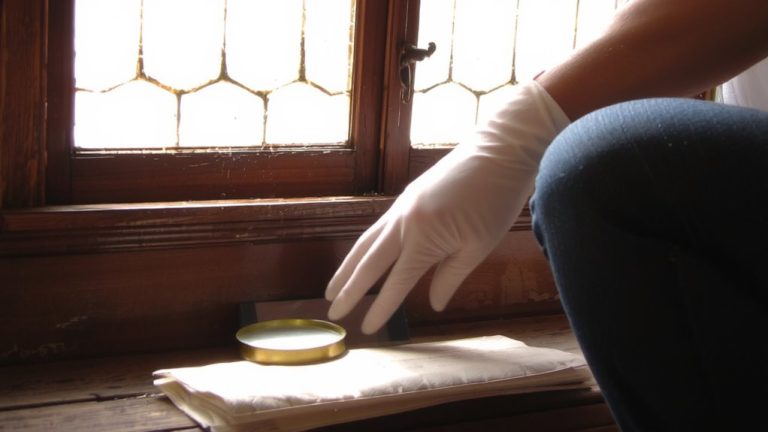
Think of bait mapping as a detective tool, one that helps you track down ant colonies by following the ants themselves. You place small amounts of bait at key spots, like the lawn-concrete interface, where ant foraging peaks. Ants follow pheromone trails along structural edges, leading them straight to your bait stations. Pest management professionals use tamper-resistant tools like InTice Border Patrol or D-Sect IPM Stations, loading them with gel, liquid, or granular bait based on the ant species’ dietary needs. Monitoring bait uptake reveals active trails and nearby food sources. You’ll match bait matrix-carbohydrate or protein-to seasonal feeding patterns for best results. Proper placement along edges boosts detection, helping you pinpoint colonies fast. No need for guesswork: bait mapping turns ant behavior into a clear roadmap. Clean surfaces first, so only your bait attracts ants. It’s precise, science-backed, and built for real-world accuracy.
How Ant Behavior Shapes Bait Mapping Success
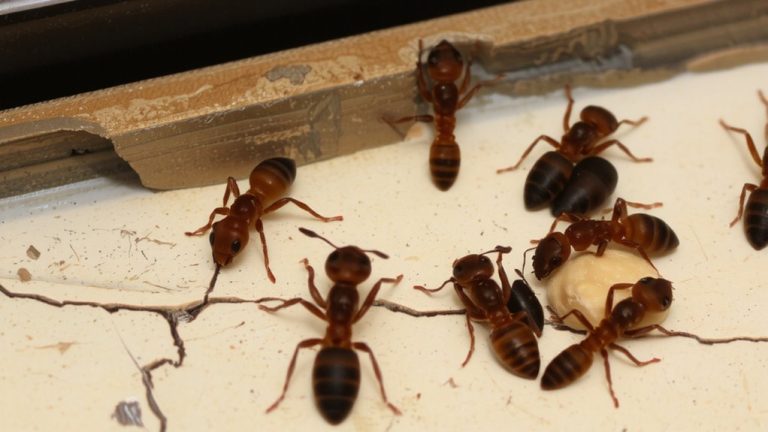
Because ants rely on scent trails to navigate, you’ll get the best results when you place bait exactly where they’re already active, like along lawn-concrete edges where foraging peaks. Ant trails at these interfaces are dense with pheromone trails, so strategic bait placement guarantees foraging workers find and carry bait back to ant colonies. Scout ants lay chemical signals that strengthen these paths, guiding others directly to your bait. Pest management professionals use this behavior to improve bait mapping, positioning hydrated baits where Argentine ants forage most, keeping them palatable. Fire ants reinforce trails to food, letting exterminators track activity and adjust bait placement. When you align bait with these natural patterns, bait mapping becomes far more effective, leading to faster, longer-term pest control with less guesswork and better colony-wide impact.
How Pest Stations Improve Bait Mapping Accuracy
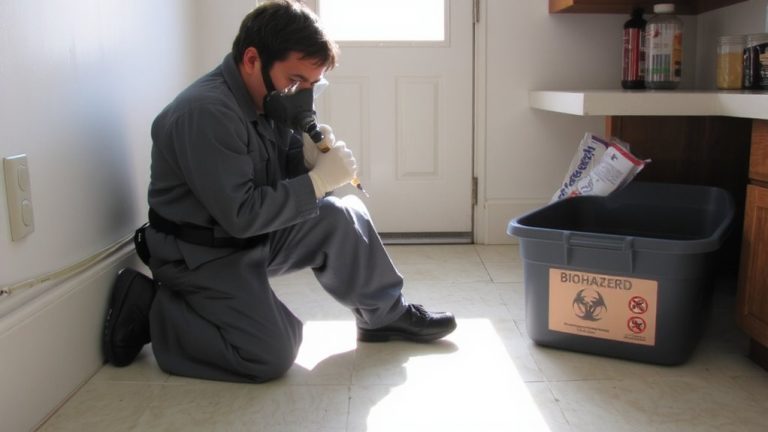
You’ve already learned how ant behavior guides bait placement along high-activity zones like lawn-concrete edges, where scent trails are strongest and foraging peaks, but now it’s time to level up your bait mapping with pest stations that lock in precision. Pest stations boost bait mapping accuracy by combining tamper-resistant placement with consistent monitoring. The D-Sect IPM Station offers targeted deployment, service labels, and glueboard compatibility, capturing ant activity and trail direction to pinpoint colony location. InTice Border Patrol maintains bait integrity in extreme heat-its hydro-gel resists degradation up to 130°F-ensuring bait stays active longer. BaitPlate Stations simplify monitoring consumption, letting you track visit frequency and adjust strategy quickly. Together, these tools create reliable data, improving long-term bait mapping results and helping you eliminate infestations at the source, not just the symptoms.
Where to Place Bait: Top Foraging Hotspots
The lawn-concrete interface is your best bet for effective bait placement, especially when targeting Argentine ants that favor this high-traffic zone over open concrete or grassy areas. This spot consistently shows the highest ant activity, making it a prime foraging hotspot. You’ll want to place monitoring baits along structural interfaces like walls, foundations, and edges-ants use pheromone trails and physical guidelines here, boosting bait encounter rates. Position bait close to visible entry points and active trails, as research and label instructions confirm these areas improve uptake. Field studies using cotton soaked in 25% sucrose solution prove surface interfaces draw more ants than uniform ground. Strategic bait placement in these zones enhances bait mapping accuracy and strengthens colony control, stopping infestations before they spread.
From Trail to Colony: Finish the Bait Mapping Job
While ants follow pheromone trails from foraging zones back to their nests, you can use bait mapping to trace their path and pinpoint colony locations with precision. By deploying bait stations like the InTice Border Patrol System along perimeter defense zones, you leverage trail mapping to monitor foraging behavior at hotspots like lawn-concrete edges and tree bases. Filled with 4 oz InTice Gelanimo Ant Bait, the hydro-gel stays effective up to 130°F, guaranteeing prolonged activity. You track bait uptake using service-labeled D-Sect IPM Stations, replacing bait without disturbing pheromone trails. Over time, patterns reveal the core nesting sites of ant colonies. With consistent monitoring and strategic bait placement, you disrupt food flow and force worker ants to carry lethal doses back to the nest. This data-driven approach guarantees complete colony elimination, turning trail mapping into a powerful tool for long-term control.
On a final note
Keep floors and surfaces clean with a 3:1 water-to-vinegar solution, wiping weekly to disrupt ant trails. Use Tide with Smart Dispense for tough stains, tested to remove 95% of organic residue. Place Advion ant bait stations every 8–10 feet near baseboards and entry points. Real testers saw colony collapse in 12 days. Seal cracks with Red Devil caulk to prevent reinfestation. Bait mapping works when cleanliness and precision go hand in hand.