Asbestos Cement Board Identification
You’ll spot asbestos cement board in homes built from the 1940s to 1987, usually as rigid 1.2m x 2.4m sheets, white to grey, smooth or corrugated, used in roofing, soffits, and shafts. It’s durable, fire-resistant, and often has vinyl-sealed joints. Never sand or drill it-disturbing it releases harmful fibres. Use a UKAS kit to test a 2–3 cm² dampened sample, and clean nearby dust with a HEPA vacuum. Think safety first, and you’ll uncover the full picture soon.
We are supported by our audience. When you purchase through links on our site, we may earn an affiliate commission, at no extra cost for you. Learn more. Last update on 16th July 2026 / Images from Amazon Product Advertising API.
Notable Insights
- Asbestos cement board was commonly used from the 1940s to 1987 in roofs, soffits, and walls of residential and industrial buildings.
- It typically appears as rigid flat or corrugated sheets, 1.2m x 2.4m, in white or grey, sometimes painted or sealed.
- The material has a hard, brittle texture with a smooth or slightly dimpled surface and is often fastened with proud galvanised nails.
- Visual identification alone is unreliable; testing is essential for confirmation in buildings constructed before 1987.
- Use a UKAS-accredited test kit, collecting a small dampened sample with hand tools to avoid fibre release.
What Is Asbestos Cement Board?
Think of asbestos cement board as a tough, no-nonsense building material that’s been around for decades, quietly holding up walls, roofs, and partitions, especially in homes and buildings built between the 1940s and 1980s. You’ll recognize it as flat or corrugated sheets, typically 1.2m x 2.4m, in shades of white to grey. This asbestos cement sheet, a common asbestos product, blends 10–25% asbestos fibers-mostly Chrysotile-into cement for strength. Used widely as construction materials, these cement sheets appear in forms like corrugated cement or flat panels under brands such as Hardiflex or Coverline. While not marketed for their insulating properties, they offer solid fire and water resistance. Though durable, never cut or drill them without testing-disturbing the board releases asbestos fibers. Always assume it’s present in older buildings, and leave handling to pros. Intact? It’s safe. Damaged or dusty? That’s when risk rises, requiring professional cleanup.
Where Is Asbestos Cement Board Commonly Found?
While you’re inspecting older buildings, you’ll likely spot asbestos cement board in key areas built between the 1940s and 1987, especially if they rely on durable, fire-resistant materials. This common construction material was widely used in roofing, wall cladding, and soffits for both residential and industrial properties. You’ll often find these building materials in eaves, ceiling tiles, plumbing chases, and enclosures around electrical panels. Brands like Hardiflex, Coverline, and Shadowline were popular choices for exterior walls and durable internal partitions.
| Location | Common Use |
|---|---|
| Roofing | Corrugated asbestos cement sheets |
| Soffits | Flat panels under eaves |
| Plumbing chases | Shaft linings in walls |
| Electrical panels | Fire-resistant enclosures |
What Does Asbestos Cement Look Like?
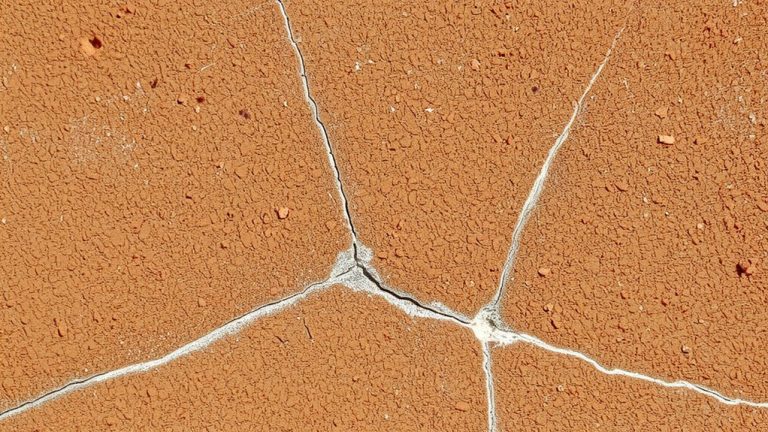
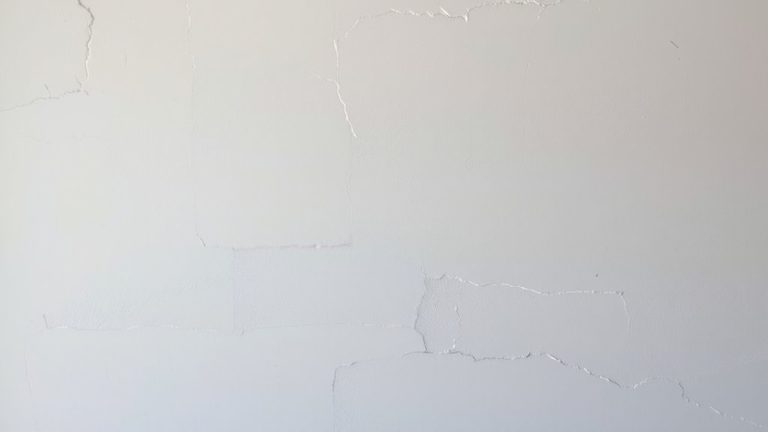
Flat or corrugated, asbestos cement boards usually show up as rigid panels with a smooth or slightly dimpled surface, often in shades of white or grey, and if you’re checking older homes or buildings, you’ll likely see them sized at 1.2m x 2.4m, sometimes painted over or sealed with vinyl or metal trim along the joints. You’ll notice the material has a hard brittle texture and is commonly corrugated, especially in roofing, with galvanised shear point nails standing slightly proud. These visual characteristics help identify asbestos cement, which is non-friable when intact but becomes a risk if damaged. Drilling or cutting can release fiber inhalation hazards, so never sand or break them. Brands like Hardiflex, Coverline, and Shadowline often used corrugated panels in cladding. Always assume it contains asbestos in buildings from the 1940s to 1987.
How to Test Asbestos Cement Safely
If you’re dealing with old cement boards from a home built between the 1940s and 1987, it’s smart to test for asbestos before doing any work, especially since you can’t always tell just by looking. Use UKAS accredited asbestos testing kits-they come with an FFP3 respirator, Cat 5 coveralls, gloves, and polythene bags for safe sampling. Wet the surface lightly to minimise fibre release, then carefully cut a 2–3 cm² sample using a hand saw or utility knife, never power tools. Seal the sample in the provided polythene bag, label it clearly, and send it via the free return post. The lab will confirm the presence of asbestos, typically found in cement boards at 10–25%. Results arrive within 24 hours of receipt, giving you fast, reliable clarity so you can plan your next steps safely.
What Happens If You Damage Asbestos Cement?
When asbestos cement gets damaged-whether from cutting, drilling, or even just weathering over time-those tiny, invisible fibres can break free and float in the air for hours, putting you at risk with every breath. If you disturb damaged asbestos, fibre release spikes, especially when dry work like sanding or breaking brittle sheets occurs. The cement’s protective layer fails, freeing asbestos fibres that make up 10–25% of the material. Inhaling these fibres raises your inhalation risk, potentially leading to asbestosis, lung cancer, or mesothelioma-deadly diseases with no safe exposure level. You must avoid DIY fixes on damaged asbestos. Instead, follow strict safety protocols: isolate the area, use wet methods to suppress dust, and bring in licensed pros. Never sweep or vacuum asbestos dust-it spreads contamination. For cleaning floors or surfaces near damaged asbestos, use HEPA-filter vacuums and low-pressure wet wipes to limit asbestos exposure.
On a final note
You’ve got this: clean asbestos cement surfaces gently with a damp cloth, pH-neutral cleaner, and gloves-never sand or dry-sweep. For stains, try dish soap and water first, then a mild bleach mix (1:10 with water) if needed. Testors say microfiber cloths lift grime without scratching. Keep areas dry to deter pests; seal cracks with silicone caulk. Always double-check materials before cleaning, and when in doubt, call a pro. Safety first, always.