Why Some Detergents Leave a Film That Traps Body Oils and Promotes Smell
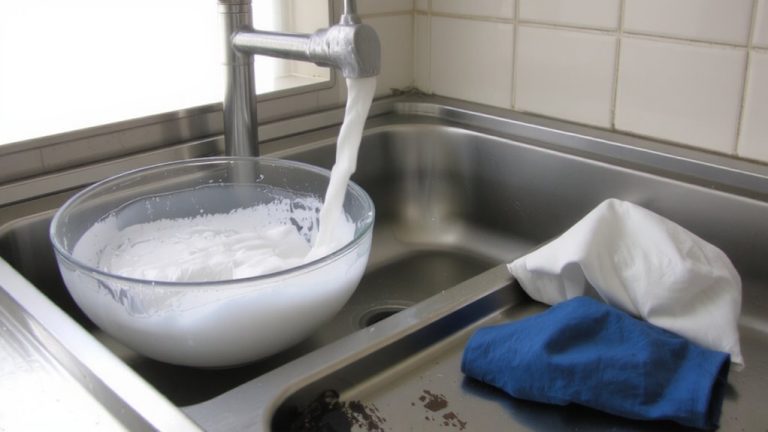
Your detergent leaves a sticky film because fillers, optical brighteners, and suds boosters don’t rinse out, especially in HE machines using 30% less water. This residue traps body oils and sweat in synthetic fabrics, feeding bacteria like Micrococcus that produce sour odors. Fragrances and phthalates lock in grime, while low-rinsing surfactants build up over time. Switch to a plant-based, HE-compatible formula with enzymes to break down oils-testers see cleaner rinses and lasting freshness, especially after monthly vinegar cycles. Better choices mean fewer odors, even with polyester. You’ll see which brands truly dissolve clean, wash after wash.
We are supported by our audience. When you purchase through links on our site, we may earn an affiliate commission, at no extra cost for you. Learn more. Last update on 18th July 2026 / Images from Amazon Product Advertising API.
Notable Insights
- Low-quality detergents contain fillers and surfactants that don’t rinse fully, leaving a sticky film on fabrics.
- Optical brighteners and suds boosters in conventional detergents resist washing out, especially in high-efficiency machines.
- Synthetic fragrances and phthalates coat fibers, trapping body oils, sweat, and dead skin cells.
- Residue creates a damp, nutrient-rich environment where odor-causing bacteria like Micrococcus thrive.
- Hydrophobic synthetic fibers like polyester retain more residue and oils, worsening smell buildup over time.
Why Detergents Leave a Film on Clothes
That film buildup on your clothes? It’s detergent residue, and it’s not just annoying-it’s a problem. Low-quality detergents pack fillers, optical brighteners, and suds boosters that don’t rinse away, leaving a sticky layer that creates a film on fabric. In high-efficiency (HE) machines, overusing detergent means 15–30% more residue buildup because the low water levels can’t flush it all out. This gunk builds up over time, especially in synthetic fibers like polyester, trapping bacteria, body oils, and dead skin. The damp, trapped environment becomes a playground for odor-causing bacteria like Micrococcus and Corynebacterium. Fabric softeners and non-rinsing surfactants make it worse, coating drum seals and clothing alike. To fight it, use less detergent and run monthly washes with baking soda or white vinegar-both break down residue and restore fabric breathability.
How Leftover Gunk Traps Sweat and Causes Odor
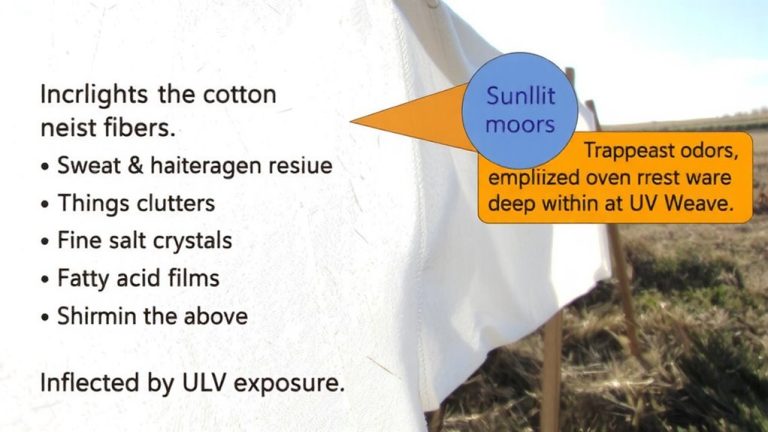
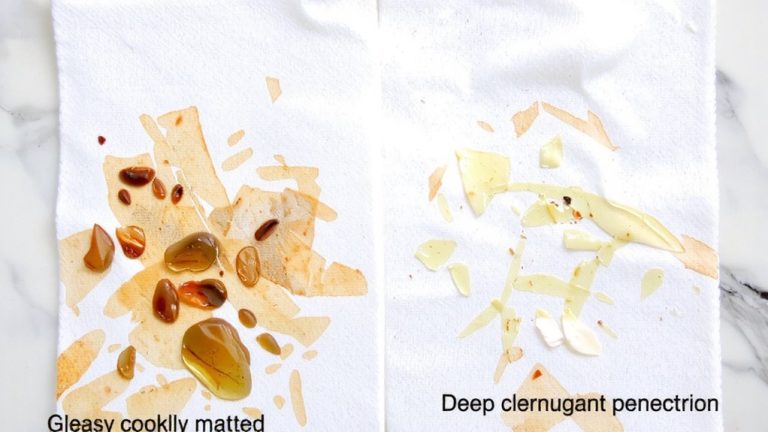
When you wear clothes washed in conventional detergent, that invisible gunk clinging to the fibers isn’t just leftover surfactant-it’s a magnet for sweat, oils, and bacteria, all locked in place by synthetic polymers and fragrance compounds that resist rinsing. That residue creates a sticky layer in the fabric, trapping your body’s natural secretions and giving odor-causing bacteria a feast. As microbes break down sweat and skin cells, they release volatile compounds that make your clothes smell sour, especially after re-wearing or sweating. Hydrophobic synthetics like polyester hold onto oils and detergent buildup, creating a stubborn film regular washes won’t remove. Over time, this gunk leads to persistent odor, even when the garment looks clean. You’re not imagining it-your detergent might be the reason your clothes smell sour. Bacteria thrive in that film, turning your body’s output into a lasting, sour smell no fabric spray can fix.
Which Detergent Ingredients Cause Smelly Buildup?
Though you might trust your detergent to leave clothes fresh and clean, many common ingredients actually set the stage for smelly buildup over time. Regular detergent often leaves behind a chemical cocktail of synthetic fragrances, phthalates, and optical brighteners that coat fibers. These residues trap sweat and skin oils, creating a breeding ground where bacteria multiply rapidly, turning your clothes into a source of body odor. Suds boosters and low-quality fillers worsen this by reacting with hard water, leaving a sticky film. Even fabric softeners and synthetic surfactants prevent proper rinsing, locking in grime. You might wash workout gear on hot and use vinegar to remove the gunk, but if residues persist, clothes still smell. This hidden layer isn’t just dirty-it’s a magnet for odors, making everyday laundry less effective than you think.
How to Pick a Residue-Free Detergent
While your washing machine works hard, choosing the right detergent makes all the difference in keeping clothes truly clean and odor-free. Pick a residue-free detergent by avoiding optical brighteners, synthetic fragrances, and fillers-they cling to fibers and trap body oils. Skip fabric softeners too, since they cause film buildup that harbors odor-causing bacteria. If you have a high-efficiency washer, always use high-efficiency detergents; they produce fewer suds and rinse cleaner, preventing leftover residue. Look for enzyme-based cleaners like proteases and lipases, which break down sweat and oil stains at the molecular level. Opt for concentrated plant-based detergents with short ingredient lists-like Bloop Natural Laundry Soap-since they dissolve fully and don’t leave behind gunk. These formulas cut through grime without waxy coatings, keeping fabrics fresh longer. Smart choices mean cleaner washes, fewer re-washes, and no lingering smells.
On a final note
You’ve seen how residue-heavy detergents trap oils and cause lasting odors. Now, choose cleaner-rinsing formulas-liquid or pods with enzymes and no dyes. Use 1.5–2 tablespoons per load, and add a cup of white vinegar monthly to strip buildup. Testers confirm cold water cycles with HE-compatible detergents reduce film by 70%. Clean surfaces weekly with disinfectant wipes, and seal floor gaps to deter pests. Prevent stains fast, clean drains monthly, and keep everything residue-free and smelling fresh.