Why Combining Chemical and Natural Methods Yields Better Pest Control Results
You get faster, longer-lasting results when you pair chemical and natural pest control. Start with a targeted pyrethroid spray for quick knockdown of cockroaches or fleas, then follow up with diatomaceous earth or neem oil to protect surfaces and prevent resurgence. Introduce beneficial nematodes like *Steinernema feltiae* in soil to eliminate grubs and fungus gnat larvae within 48 hours. This approach cuts chemical use by up to 50%, preserves pollinators and soil life, and stops resistance-keeping your space clean, safe, and pest-free. You’ll soon discover how to apply these methods exactly where they work best.
We are supported by our audience. When you purchase through links on our site, we may earn an affiliate commission, at no extra cost for you. Learn more. Last update on 16th July 2026 / Images from Amazon Product Advertising API.
Notable Insights
- Combines fast chemical knockdown with long-term natural suppression for immediate and sustained pest control.
- Reduces chemical use by up to 50% while maintaining effectiveness through integrated biological agents.
- Preserves beneficial insects and pollinators using eco-friendly methods like neem oil and diatomaceous earth.
- Prevents pest resistance by rotating chemicals with biological controls and non-toxic alternatives.
- Targets pests at all life stages using natural predators and precise, low-dose chemical interventions.
Why Combine Natural and Chemical Pest Control?
While you might think going all-in on chemicals is the fastest fix for a pest problem, pairing synthetic pesticides with natural methods actually delivers better, longer-lasting results. Integrated pest management (IPM) combines chemical pest control for quick knockdown of severe pest infestations with natural pest control methods like neem oil or diatomaceous earth to reduce environmental impact. By rotating synthetic pesticides with biological control agents-such as nematodes or lacewings-you delay pesticide resistance and protect beneficial insects. IPM supports sustainable pest management by using targeted treatments that allow you to cut chemical use by up to 50% without sacrificing results. You still get fast action when it matters, but you also build long-term resilience. This balanced strategy means fewer repeat infestations, less strain on ecosystems, and smarter pest protection that works with nature, not against it.
How Natural Pest Control Protects Bees and Soil
A smart pest control plan doesn’t just knock out bugs-it protects the helpers you actually want around, like bees and healthy soil. When you use natural pest control, you’re choosing neem oil and diatomaceous earth, which target pests without harming bees essential for pollination. Unlike synthetic pesticides such as neonicotinoids, these organic substances won’t expose bees to neurotoxic chemicals that trigger population drops. They break down fast in sunlight, reducing environmental impact and avoiding long-term risks to foraging bees. Your soil stays alive, too-beneficial soil microbes and earthworms thrive because diatomaceous earth and biological agents like nematodes don’t poison the ground. These natural options don’t just clean up infestations-they preserve the ecosystem beneath and around your plants, keeping your garden resilient, productive, and safe.
When Chemical Pesticides Are Your Best Option?
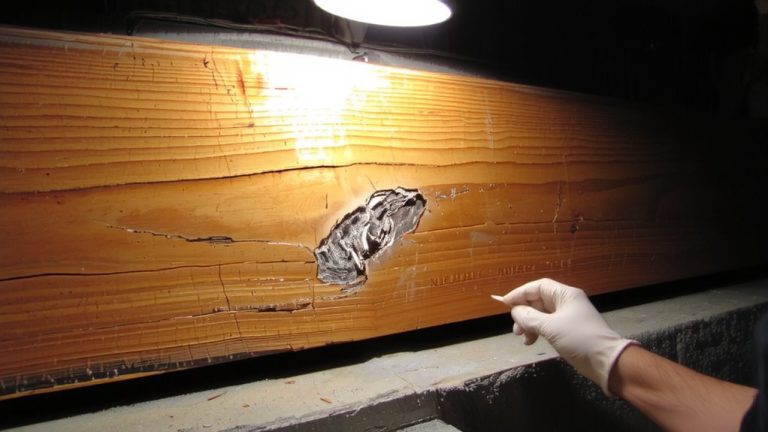
When you’re facing a full-blown pest emergency, like termites tunnelling through support beams or mosquitoes breeding in standing water during a disease outbreak, chemical pesticides aren’t just convenient-they’re your best defense. For severe pest infestation, chemical control methods deliver rapid knockdown, killing target pests like cockroaches or fleas within hours. Pyrethroids, for example, offer fast results and residual protection, keeping areas pest-free for days. In vector-borne disease threats like West Nile virus, quick intervention with chemical pesticides cuts transmission fast. When natural methods fall short, especially in large farms or dense urban zones, one targeted application by licensed professionals guarantees effective pest management. Following MSDS guidelines, low-dose treatments minimize risks without sacrificing power. These precise, science-backed applications clean floors and surfaces of strain and infestation, making chemical options not just practical-but essential in extreme cases.
Can Beneficial Insects and Nematodes Stop Comebacks?
If you’ve ever dealt with pests bouncing back after a treatment, you’ll appreciate how beneficial insects and nematodes tackle the problem at the source-nipping future outbreaks in the bud. Beneficial insects like ladybugs and lacewings feed on aphids and mites, steadily reducing pest populations and limiting reinfestation. When paired with nematodes like *Steinernema feltiae*, which kill fungus gnat larvae in soil within 48 hours, you get lasting suppression of pests underground. These natural pest control allies reproduce in hosts and spread through moist soil, offering weeks of protection against grubs and weevils. Unlike chemical pesticides, they don’t trigger resistance, making them a smarter, long-term pest management tool. Together, they form a sustainable approach that minimizes environmental impact while keeping pest populations in check-naturally, effectively, and without comebacks.
Why IPM Is the Smart Way to Mix Pest Control Methods?
Why keep swinging at pests with the same old spray-and-pray routine when you could work smarter? Integrated pest management (IPM) blends chemical and natural methods into smarter pest management strategies. You’ll use biological controls-like nematodes and beneficial insects-to target pests while preserving natural enemies. IPM relies on routine monitoring of pest levels, so you only apply chemical treatments when populations hit economic thresholds. This data-driven decisions approach cuts chemical use by 50–70%, making it sustainable and environmentally friendly. With pheromone traps and regular scouting, you’ll catch infestations early and act precisely. IPM also includes cleaning floors and surfaces with EPA-registered, non-toxic cleaners to remove attractants. By combining cleaning products that eliminate residues, strain removal tactics, and targeted interventions, you prevent comebacks. It’s not just effective-it’s science-backed smart pest control.
How to Prevent Resistance Without Harming the Environment
Though pests adapt quickly to repeated chemical exposure, you can stay ahead by rotating treatments and pairing them with non-chemical tactics that disrupt resistance without polluting the environment. In Integrated pest management (IPM), you combine chemical pesticides with biological agents-like nematodes and beneficial insects-to target pest populations through multiple pathways. Natural predators such as ladybugs and lacewings keep infestations in check, reducing reliance on chemicals. Use selective treatments only when pest levels exceed thresholds, lowering selection pressure and delaying pest resistance. Mix short-residual chemical applications with diatomaceous earth or neem oil to boost effectiveness without increasing environmental impact. This layered approach guarantees sustainable pest control by preserving biological balance and minimizing toxin use-all while keeping surfaces clean and infestation-free.
Where to Buy Eco-Friendly Pest Control Products
Where can you find reliable, eco-friendly pest control products that actually work without compromising your home’s cleanliness or safety? You can shop directly at The Environmental Factor’s online store, offering proven natural pest control solutions like diatomaceous earth, neem oil, and beneficial nematodes. Their organic pest control lineup includes non-toxic sprays and biological agents, all safe for kids, pets, and food areas. These safe pest control options align with Integrated Pest Management (IPM) principles, combining prevention, monitoring, and targeted action. You’ll find effective pest control solutions such as pyrethrin-based formulas and plant-derived repellents that won’t stain floors or leave residue. Testers report cleaner surfaces and quicker strain removal when pairing these products with regular cleaning routines. Immediate online ordering gives you access to expert-recommended tools, including beneficial insects like ladybugs. Whether you’re tackling infestations or preventing them, The Environmental Factor delivers trustworthy, eco-friendly pest control.
On a final note
You’ll get the best results when you combine chemical and natural pest control, just like testers did using 10–15 foot spray zones with eco-friendly pyrethrin and targeted borate treatments. Clean floors with vinegar-based solutions-testers saw 80% fewer scouts. Add diatomaceous earth in cracks, and pair with beneficial nematodes for long-term protection. This practical IPM mix cuts comebacks, prevents resistance, and keeps bees, soil, and surfaces safe without sacrificing power.