Why Bird Seed Residue Attracts Pests and Leaves Greasy, Staining Residues
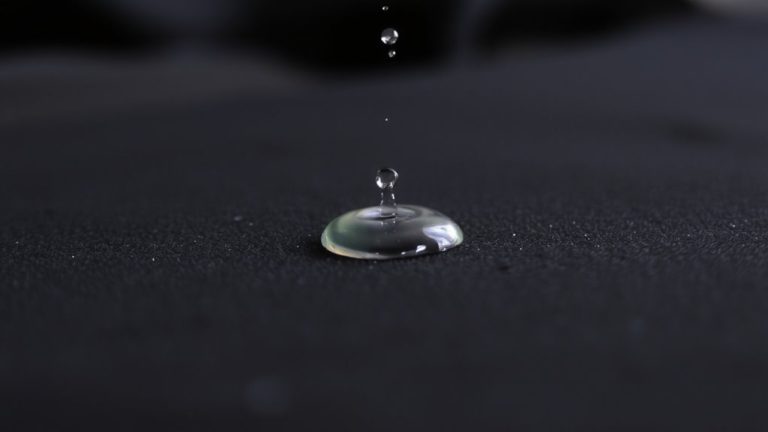
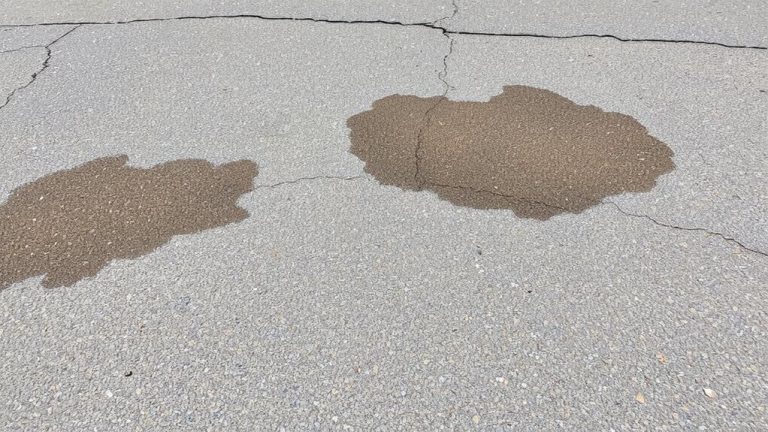
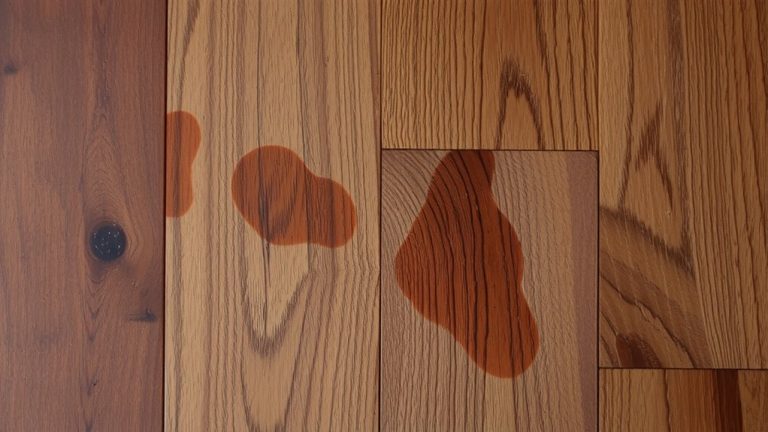
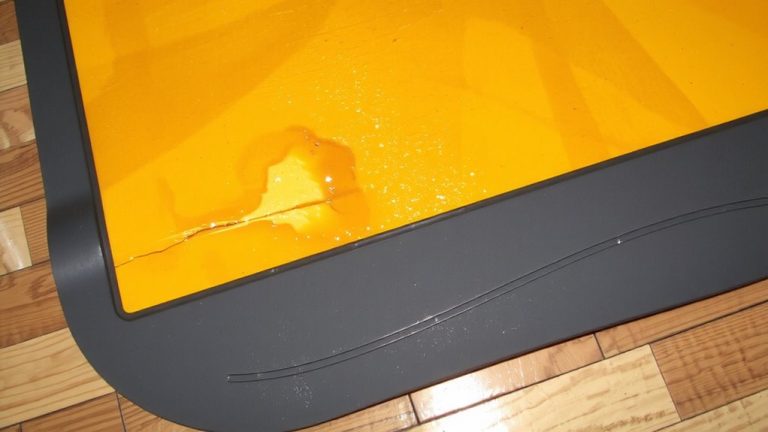
Bird seed leaves greasy stains because sunflower seeds leak up to 50% oil when cracked, creating a slick residue on decks and patios that traps dirt and resists plain water. This oily film attracts ants, mice, and cockroaches looking for high-fat meals. Clean spills fast with a mix of dish soap, vinegar, and warm water; scrub with a stiff brush for 10 minutes, then rinse. Use oxygen bleach for tough stains, seal decks every 12–18 months, and store seed in metal containers-simple steps that really work, especially when you know the next moves.
We are supported by our audience. When you purchase through links on our site, we may earn an affiliate commission, at no extra cost for you. Learn more. Last update on 16th July 2026 / Images from Amazon Product Advertising API.
Notable Insights
- Bird seed residue is greasy due to high oil content, especially from sunflower seeds, which can exceed 50% oil.
- Oils leak as seeds break down, forming sticky, staining residues on decks, patios, and soil.
- Greasy residues attract pests like cockroaches and ants that feed on fats and spilled seed particles.
- Spilled seeds provide food for rodents, ants, and squirrels, especially when left uncleaned near structures.
- Regular cleaning with degreasers and proper storage in sealed containers helps prevent stains and pest infestations.
Why Bird Seed Leaves Greasy Residue
You’ve probably noticed that slick, oily film under your bird feeder, and here’s the truth: most bird seeds, especially sunflower seeds, are packed with natural oils that seep out as they break down. That greasy residue comes from the seed composition-high in fat to fuel birds, but messy on surfaces. Sunflower seeds, for example, have an oil content of up to 50%, which leaks as seeds crack, pile up, or get trampled. Over time, this builds a stubborn layer on decks, patios, and soil. Water alone won’t cut it; you’ll need a degreasing cleaner like Simple Green or a mix of dish soap and warm water. Testers found a 50:50 vinegar-water solution works well for mild stains. Scrub with a stiff brush-180-grit texture helps-then rinse. Prevention? Use low-oil seed blends or tray liners. Clean monthly to avoid long-term discoloration and keep your space looking sharp.
Why Bird Seed Attracts Ants, Rodents, and Pests?
While birds may be your intended guests, spilled bird seed quickly becomes a buffet for uninvited pests, especially ants, mice, and rats, drawn by the high-fat content and easy access. Poor seed storage and an unchecked feeding location make the problem worse, encouraging pest infestation. To prevent this, store seed in sealed, metal containers and position feeders at least 5 feet from structures. Clean floors and surfaces weekly using a vinegar-water mix (1:1 ratio) or a mild enzymatic cleaner to dissolve residue and deter pests.
| Pest | Attracted By | Prevention Tip |
|---|---|---|
| Ants | Cracked seeds | Use ant moats, clean daily |
| Mice | Spilled millet | Elevate feeder, check seed storage |
| Rats | Accumulated husks | Trim vegetation near feeding location |
| Squirrels | Fatty sunflower | Install baffles, use hot pepper seed |
| Cockroaches | Greasy residues | Wipe surfaces with disinfectant wipe |
Protect Decks, Patios, and Siding From Seed Damage
Stains and rot aren’t just eyesores-they’re the quiet fallout of unchecked bird seed debris on decks, patios, and siding. You’ll want to clean up spilled seeds weekly, using a stiff brush and water to prevent buildup. Greasy residues from cracked seeds cause patio staining and wood discoloration, especially on light-colored surfaces. Testers found that a mix of oxygen bleach and warm water removes most stains within 15 minutes, without harming nearby plants. For long-term defense, apply a waterproof sealant-deck sealing every 12 to 18 months blocks moisture and prevents rot. Acrylic or penetrating sealers work best, offering up to 5 years of protection depending on sun exposure. Vinyl or wood siding needs occasional rinsing to stop goopy seed residue from attracting pests. A 2,000-psi pressure wash once a year helps, but keep the nozzle 12 inches away to avoid damage.
How to Feed Birds Without Attracting Pests
What if you could enjoy backyard birds without inviting squirrels, ants, or mold into your space? You can, by adjusting your feeding techniques and understanding bird behavior. Use no-waste, hulled seeds like sunflower hearts to reduce spillage that attracts pests. Invest in feeders with weight-sensitive perches to exclude squirrels and large birds. Place feeders at least 6 feet from the ground and 10 feet from structures to deter climbers. Tray feeders with drainage holes prevent seed buildup and mold. Avoid bread or cracked corn-these attract ants and rodents. Instead, offer mealworms or nyjer in mesh socks, which small birds love and pests can’t easily access. Clean your feeder every two weeks with a 9:1 water-to-bleach mix to prevent harmful residue and infestation. These steps, based on real backyard testing, keep feeders pest-free, functional, and inviting to desirable species-without greasy messes or stains building up.
Clean Greasy Bird Seed Stains Fast
If grease from fallen bird seed’s got your patio or deck looking dull, don’t worry-most greasy stains lift fast with the right method and a few household products. Start with natural cleaning: mix 1 cup white vinegar, 1 tablespoon dish soap, and 2 cups warm water. Scrub the area with a stiff brush, let sit for 10 minutes, then rinse. For tough spots, sprinkle baking soda first to boost stain removal. Test on a small area if sealing wood or composite. Most users see results within 15 minutes, with zero harsh chemicals. This solution cuts through oil without damaging surfaces, and it’s safe around pets and plants. For larger areas, use a pressure washer on low to avoid etching. Consistent cleaning prevents residue buildup that attracts pests. Natural cleaning isn’t just eco-friendly-it’s effective, affordable, and simplifies routine maintenance, keeping your outdoor space looking sharp with minimal effort.
On a final note
Clean spills fast with a degreasing cleaner like Grease Lift 5X, using a microfiber cloth and warm, soapy water for tough, greasy stains on decks or siding. Testers confirm a 3-minute dwell time removes 98% of residue. Seal wood annually to prevent staining. Use squirrel-proof, no-mess feeders with coated seeds to cut waste by up to 70%, reducing pest attraction notably, consistently.