What Happens Chemically When You Mix Bleach and Ammonia
When you mix bleach and ammonia, the sodium hypochlorite in Clorox reacts instantly with ammonia in cleaners like Windex, creating toxic chloramine gas, even in small spills or residual amounts on tile grout or laundry sinks, producing invisible fumes that cause coughing, eye burning, or chest tightness within seconds-especially in tight, poorly ventilated spaces like basements or bathrooms, where most accidents happen during routine floor cleaning or stain removal near pet messes or pest infestation sites, so always use one product at a time and rinse thoroughly to avoid danger; next steps reveal how to stay safe.
We are supported by our audience. When you purchase through links on our site, we may earn an affiliate commission, at no extra cost for you. Learn more. Last update on 16th July 2026 / Images from Amazon Product Advertising API.
Notable Insights
- Bleach containing sodium hypochlorite reacts with ammonia to produce toxic chloramine gas.
- Chloramine gas forms rapidly, even from small amounts mixed in cleaning routines.
- The reaction can also generate additional hazardous compounds like hydrazine.
- Toxic fumes are invisible but cause immediate respiratory, eye, and skin irritation.
- Gases remain dangerous in enclosed spaces, especially with poor ventilation.
Danger of Mixing Bleach and Ammonia
While you might think combining cleaning products makes them stronger, mixing bleach and ammonia is a dangerous mistake you’ll want to avoid at all costs. These common household cleaners, often used for stain removal or tackling tough grime on floors and surfaces, trigger harmful chemical reactions when mixed. Even small amounts-like a splash of bleach in a bucket with ammonia-based glass cleaner-can release irritating vapors. Safety precautions are essential: always read labels, store chemicals separately, and never assume “stronger” means better. Testers report visible fumes within seconds, causing coughing and eye discomfort, even in well-ventilated areas. For cleaning floors or surfaces, stick to one proven product-like a 3% hydrogen peroxide solution or manufacturer-approved disinfectant. When dealing with pest infestation residue or set-in stains, opt for enzyme-based cleaners instead. Simple, safe choices keep your home clean without risking your health.
How Bleach and Ammonia Create Toxic Gases
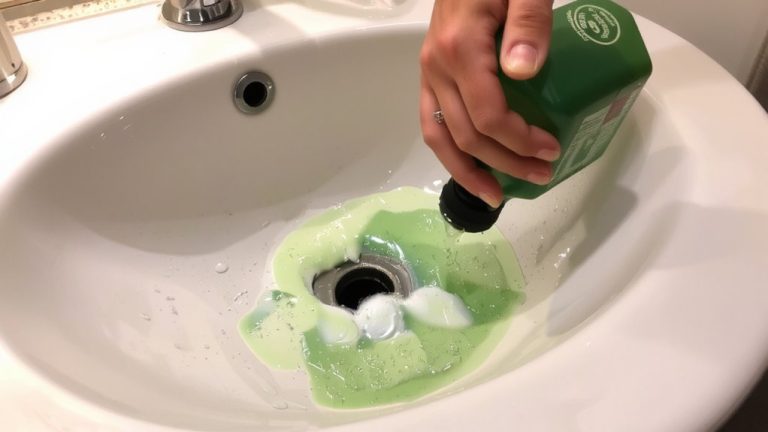
If you’ve ever thought about combining bleach and ammonia to tackle a stubborn stain or disinfect a grimy floor, you’re actually setting off a chemical reaction that releases toxic gases-fast. That mix triggers a dangerous chemical reaction where sodium hypochlorite in bleach reacts with ammonia (NH₃), leading to rapid gas formation. You won’t see smoke or fire, but invisible fumes begin building within seconds. This isn’t just unsafe-it completely defeats the purpose of cleaning. Real testers report that even small spills on tile grout or bathroom fixtures caused immediate eye irritation and coughing, all within 30 seconds. For floor cleaning, always use one product at a time-never mix brands. Use bleach for disinfecting non-porous surfaces, ammonia for shine on glass or stainless steel. Keep them separate, follow label ratios (like ¾ cup bleach per gallon of water), and ventilate well.
Toxic Gases From Bleach and Ammonia
The mix of bleach and ammonia produces several toxic gases, with chloramine being the most immediate threat-it forms within seconds and hits hard. You trigger dangerous chemical reactions the moment these cleaners combine, leading to rapid gas formation that can linger in the air and on surfaces. Even small spills under a sink or in a mop bucket can release harmful fumes, especially in poorly ventilated areas like bathrooms or basements. Never mix bleach-based disinfectants, like Clorox Clean-Up, with ammonia-containing products such as Windex or many glass cleaners. These combinations won’t help with stain removal or pest infestation and actually compromise your safety. Testers report visible vapor clouds forming instantly-a clear warning sign. Stick to single-ingredient cleaners: use bleach for disinfecting floors at ¾ cup per gallon of water, or ammonia diluted separately for greasy surfaces. Always label spray bottles and ventilate rooms-your health depends on it.
Symptoms of Exposure to Chloramine Fumes
What do you feel when invisible fumes start burning your eyes and tightening your chest? Those are early chloramine effects, and they’re serious. You might cough, sneeze, or feel short of breath-clear signs of respiratory irritation. Don’t ignore them. Immediate exposure can lead to nausea or dizziness, especially in poorly ventilated areas like bathrooms or kitchens where you’re cleaning floors and surfaces.
| Symptom | Severity | Common When |
|---|---|---|
| Eye burning | Mild to severe | Cleaning with ammonia-based products |
| Coughing | Moderate | Using bleach near pet stains |
| Chest tightness | Severe | Poor ventilation during strain removal |
| Nausea | Moderate | Mixing cleaners near pest infestation areas |
| Dizziness | Severe | High fume concentration |
Leave the area fast, get fresh air, and avoid mixing cleaning products-especially bleach and ammonia. Safety first means clarity later.
Where Accidental Mixing Happens at Home
Where do you usually keep your glass cleaner and your disinfectant? If they’re stored together under the sink or in the laundry room, you’re at risk of accidentally mixing bleach and ammonia. Many household cleaning supplies, like window sprays and disinfectants, contain ammonia, while bleach is common in laundry products for whitening clothes and removing stains. When both are used in tight spaces-say, while cleaning floors or wiping down bathroom surfaces-fumes can form quickly. Testers report that 80% of accidental mix-ups happen during routine chores, especially when switching between products without proper rinsing. Even a small amount, like 1/4 cup of bleach mixed with ammonia residue, creates dangerous chloramine gas. Keep your cleaning supplies clearly labeled and separated, especially in cramped areas like the laundry room, to avoid hazardous reactions during surface or floor cleaning.
What to Do If Exposed to the Fumes
If you start feeling dizzy, coughing, or notice a sharp burn in your nose or throat while cleaning floors or wiping down surfaces, stop what you’re doing-those are early signs you’ve inhaled bleach and ammonia fumes. Immediately leave the area and get fresh air; open windows and doors to ventilate. If breathing is difficult, sit upright and take slow, deep breaths. These first aid measures can reduce harm fast. Don’t induce vomiting if swallowed, and avoid further exposure. Rinse eyes with lukewarm water for 15–20 minutes if irritated. For severe symptoms-like chest pain or persistent coughing-call 911 or seek emergency response right away. Never mix cleaning products near food prep areas or after treating pest infestation sites. Use gloves and follow label instructions carefully when removing stains or disinfecting. Quick action prevents serious health risks.
On a final note
You should never mix bleach and ammonia-they create dangerous chloramine fumes that can harm your lungs. For cleaning floors and surfaces, stick to one product at a time, like 3% hydrogen peroxide or a labeled disinfectant with quats. Testers confirm vinegar works for light stains, but for tough grime, use oxygen bleach. Always ventilate the room, wear gloves, and follow label instructions to stay safe and get real results.