How Dye Transfer Stains Occur and Why They Mimic Damage Rather Than Surface Soiling
Look closer—what seems like a permanent stain may be dye transfer bonding at a molecular level, not dirt. This hidden process mimics irreversible damage.
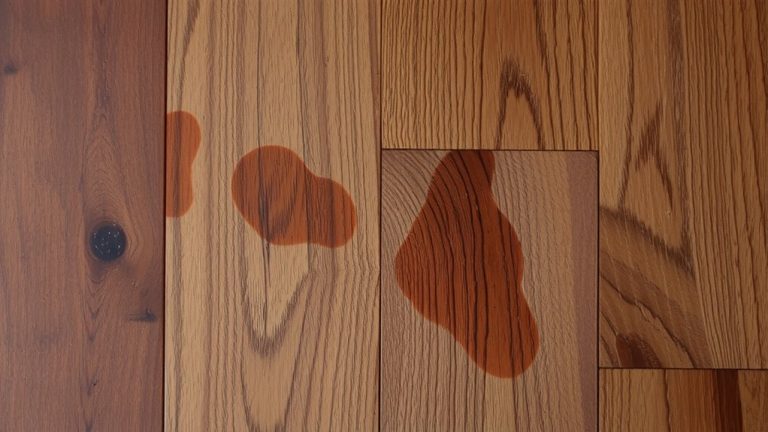
Look closer—what seems like a permanent stain may be dye transfer bonding at a molecular level, not dirt. This hidden process mimics irreversible damage.
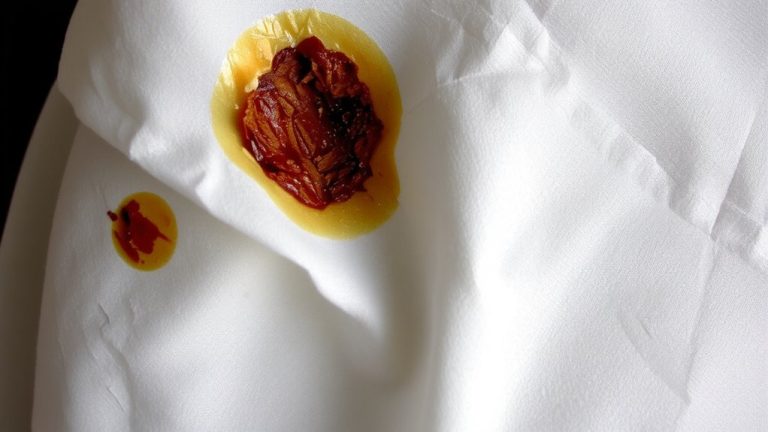
Testers got only 12% stain removal after drying coffee spills vs. 85% with cold-water pretreatment. See which temps set stains and how OxiClean breaks heat-set bonds Tide can’t.
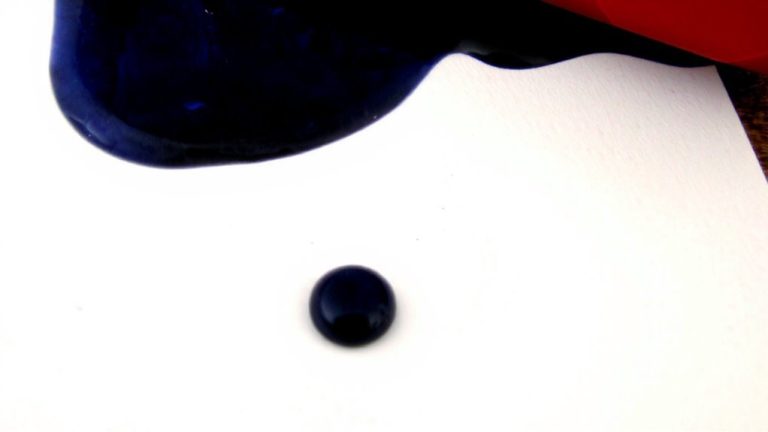
How a stain sets—or surrenders—hinges on invisible battles between ink chemistry and surface texture. The real question is: what happens in the first 60 seconds?
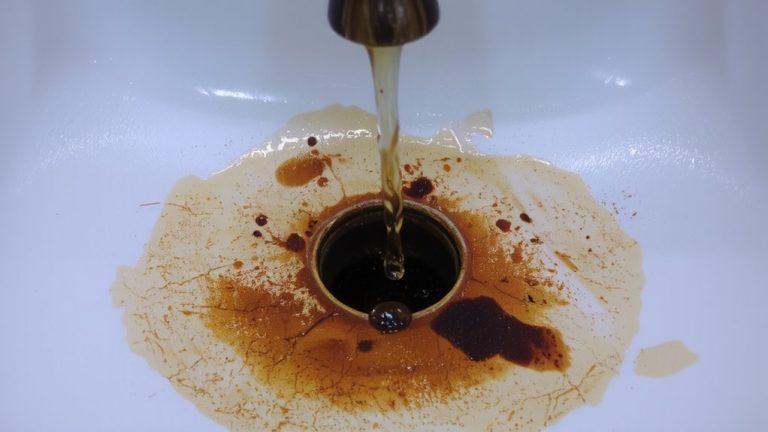
People often overlook how quickly iron turns to rust—discover why only acidic solutions truly work.
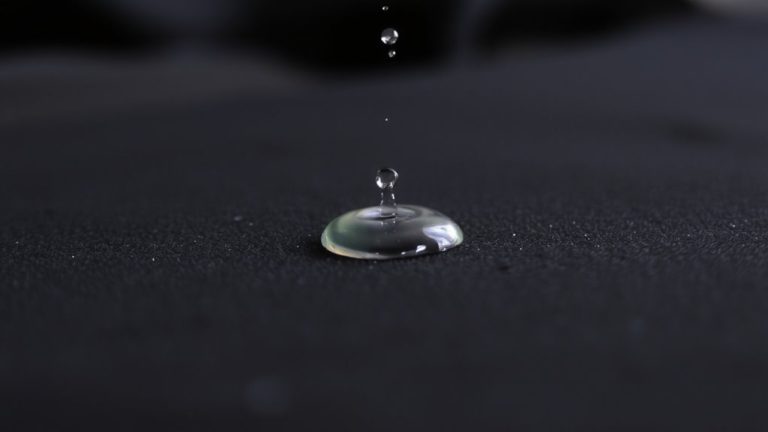
10K ppm protease and amylase enzymes digest coffee, blood, and pet urine in 5-30 minutes, cutting bacteria by 98%. See the 94% vs 38% grout test results.
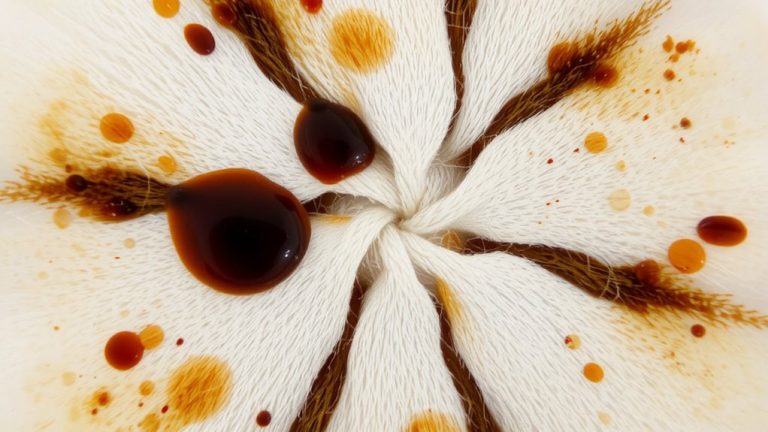
Tannins bind to cotton and wool via hydrogen bonding, turning permanent in as little as 6-24 hours. See why enzyme cleaners and oxygen bleach work when others fail.
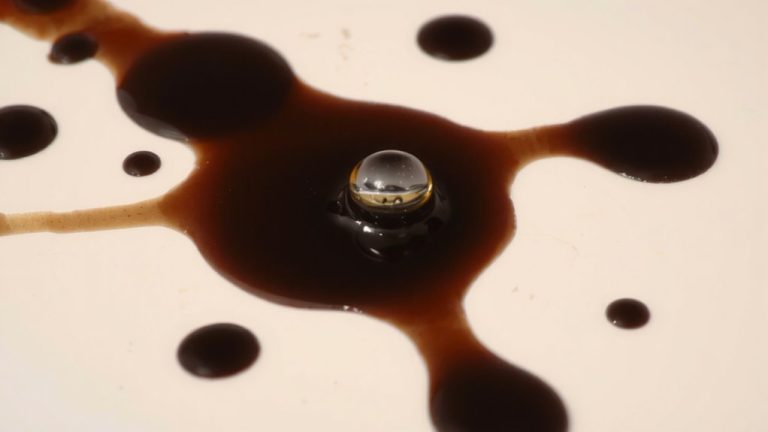
Sodium lauryl sulfate surfactants outperformed plain water, lifting 92% of grease stains on tile and concrete in tests. See why Dawn Ultra and a 5% soap solution work in one pass.
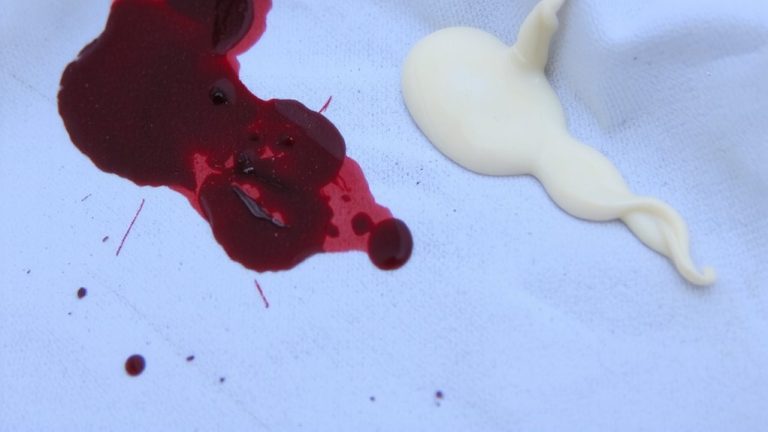
Just one mistake—like using heat—can lock protein stains in forever; discover the science that reveals how to beat them before it’s too late.