Do Air Ionizers Actually Improve Indoor Air Quality or Just Mask Pollutants?
Unlike HEPA purifiers, air ionizers don’t remove pollutants—uncover the unsettling truth about what they really do to your indoor air.
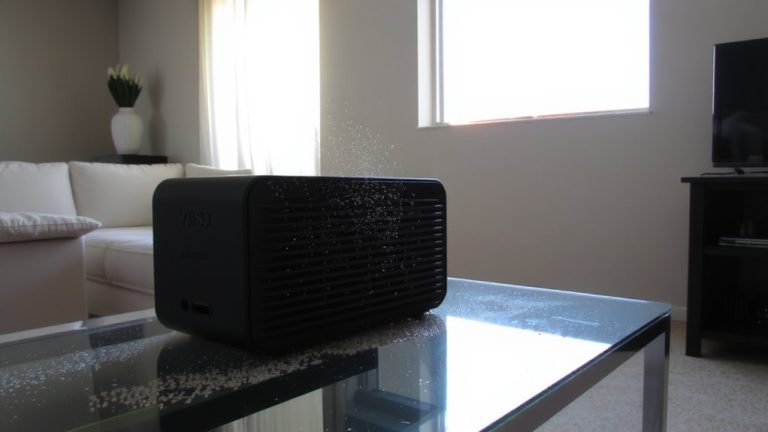
Unlike HEPA purifiers, air ionizers don’t remove pollutants—uncover the unsettling truth about what they really do to your indoor air.
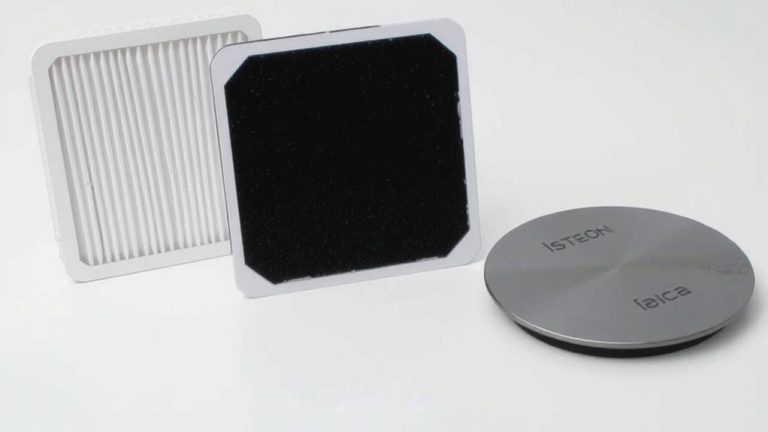
Uncover the truth behind air purifier filters—what really captures allergens, removes odors, and impacts your health—and why one choice could be a game-changer.
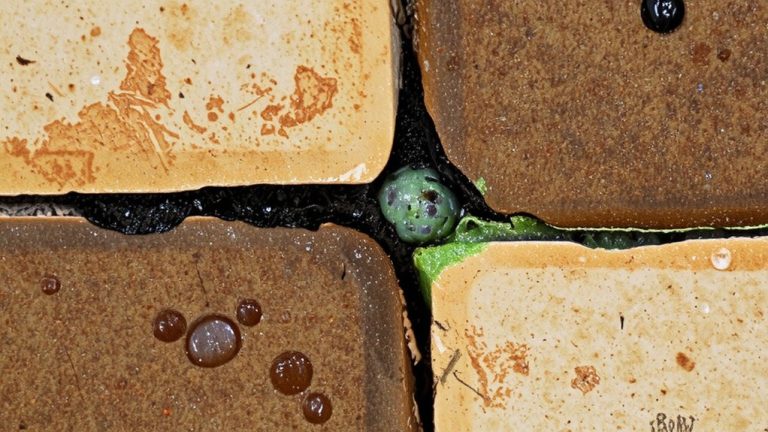
Porously vulnerable, grout harbors hidden microbes that feast in damp, soapy seams—discover what flourishes beneath the surface.
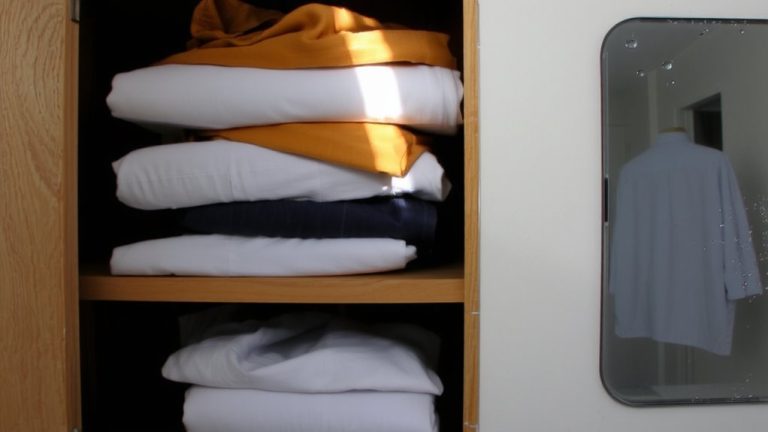
No one notices the silent damp creeping in—until the musty scent hits. Here’s how mildew sneaks into stored clothes when humidity rises.
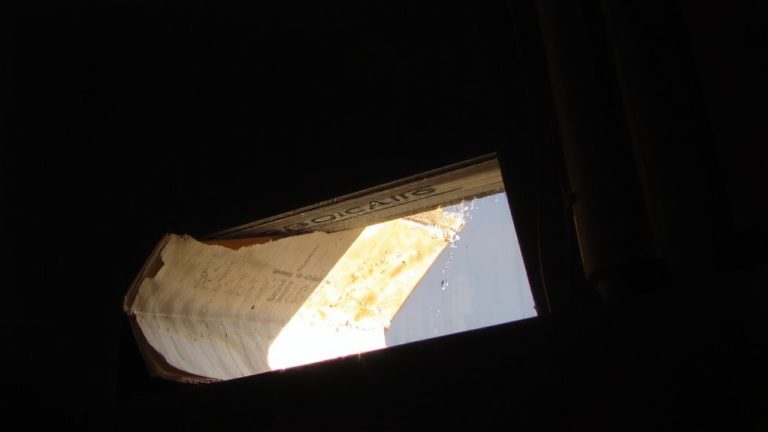
Books emit a musty odor when mold thrives in humid library air—discover how invisible spores may be harming your lungs.
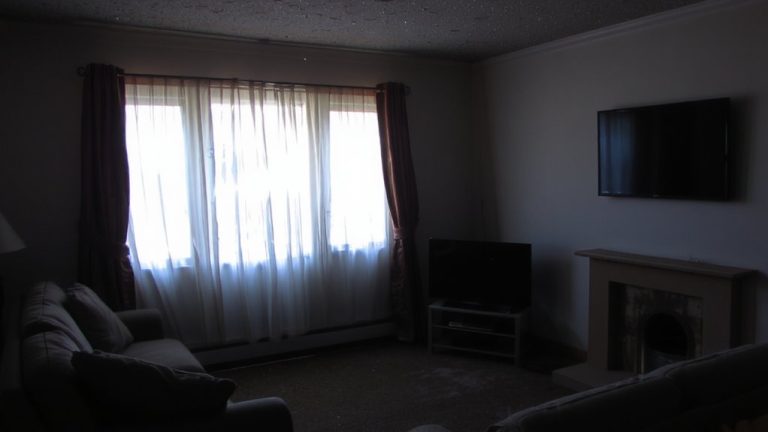
A lingering threat hides deep within fabrics and walls—discover how thirdhand smoke embeds toxins long after the air seems clear.
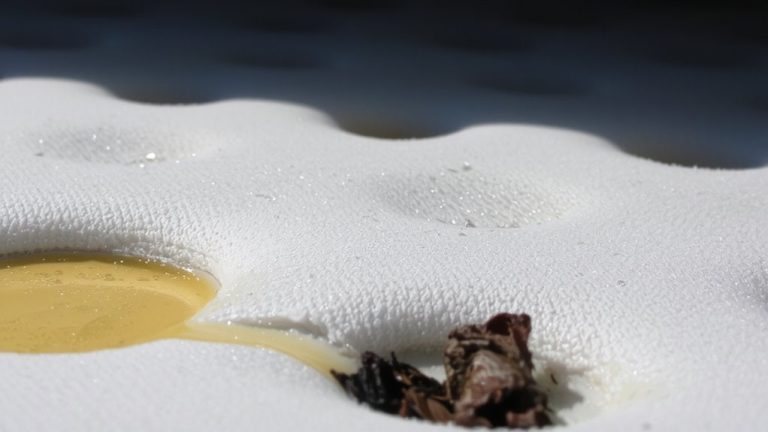
Mattresses soak up to 200 mL of sweat and 1.5g of dead skin cells nightly, feeding mold, dust mites, and musty VOCs. See how odors form and how to stop them.
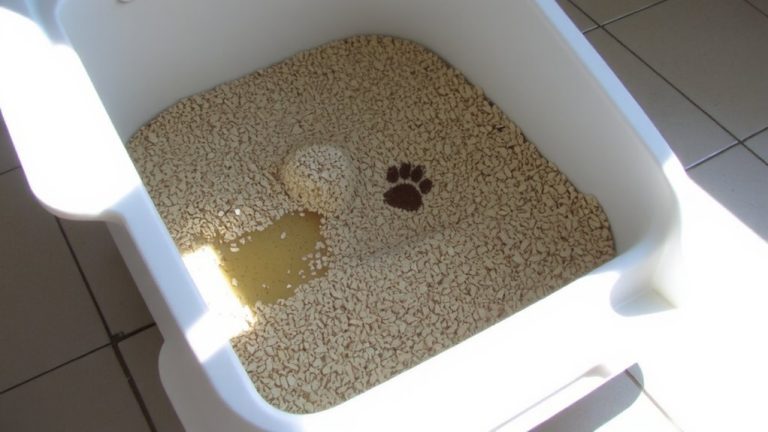
Hidden bacteria and ammonia linger long after scooping—discover what your clean routine misses and why the smell always returns.
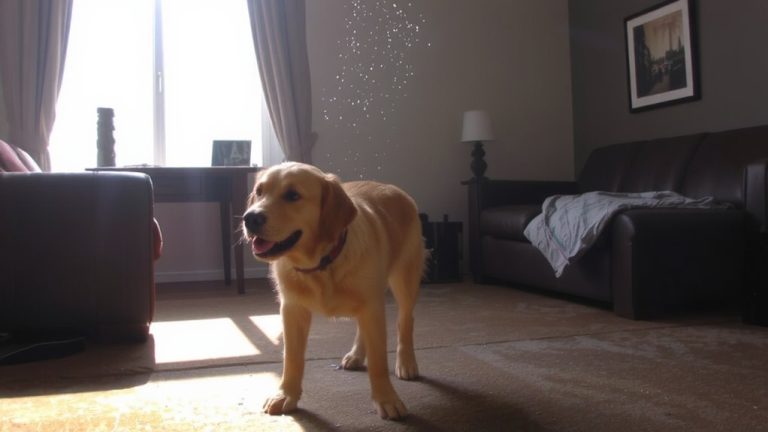
Because moisture reactivates 22 odor-causing VOCs from bacteria, eliminating wet dog smell demands more than surface cleaning—what works best might surprise you.
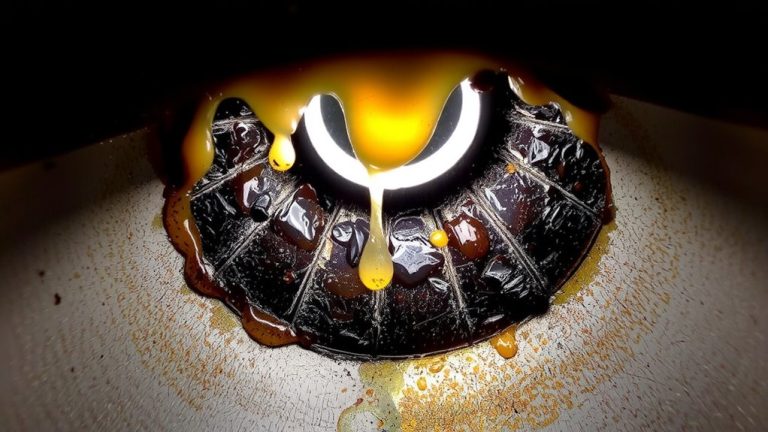
Fumes from every meal leave behind invisible grease that thickens over time—discover what lurks inside your vents and why it’s silently dangerous.