Why Some Cleaners Specify No Rinse Required for Food Contact Surfaces
Using food-safe actives that vanish on their own, these cleaners eliminate germs and residue—but there’s a crucial step everyone misses.
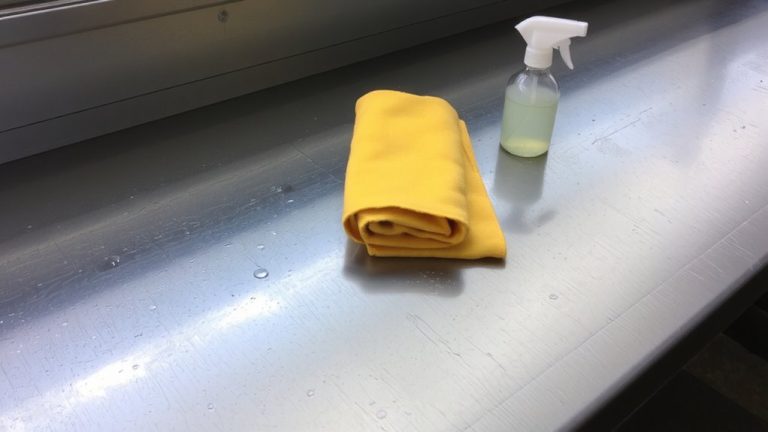
Using food-safe actives that vanish on their own, these cleaners eliminate germs and residue—but there’s a crucial step everyone misses.
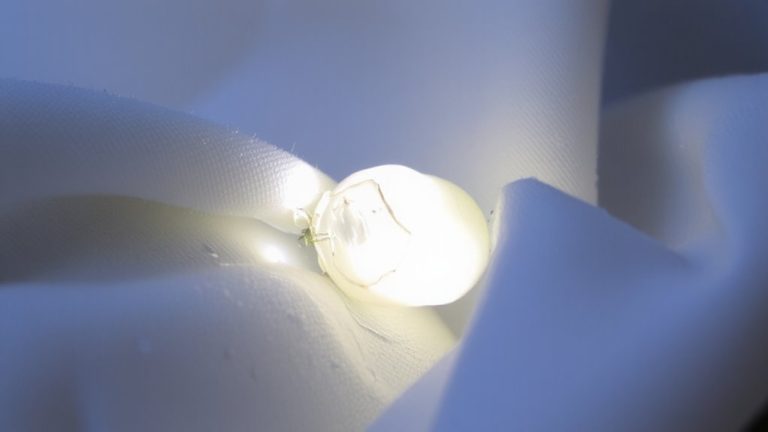
By binding to fabrics during rinsing, cationic surfactants create an invisible shield that repels microbes—but how does this protection endure wash after wash?
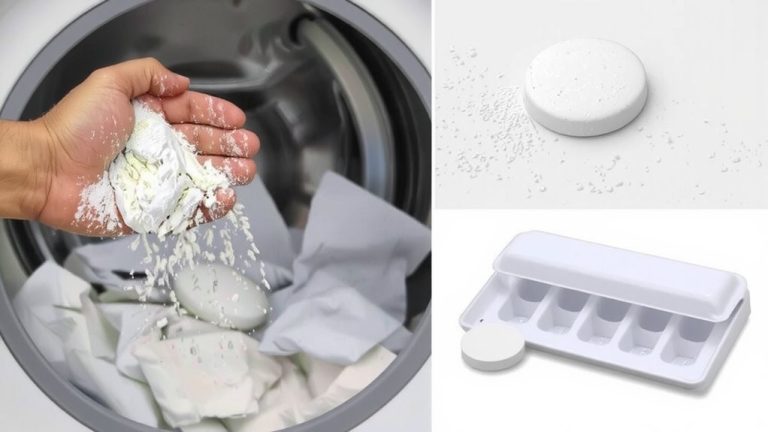
Hard water? Builders like zeolites and citrates transform detergent power—discover how they unlock spotless results without harming the planet.
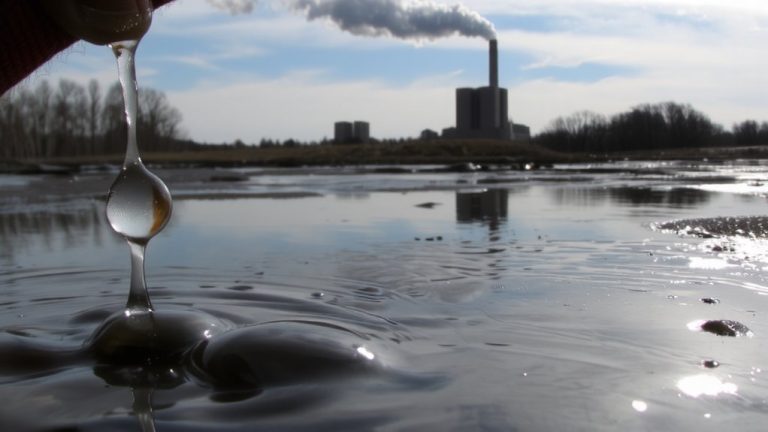
Getting faster stain release with fluorosurfactants comes at a hidden cost—discover what that cost is and how safer alternatives might change everything.
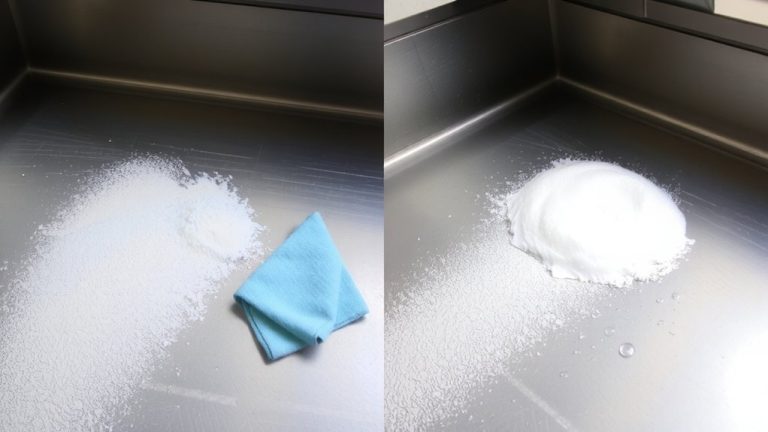
Just discovered how cloudy ammonia’s secret ingredient tackles grime clear ammonia can’t touch—see which surfaces demand one over the other.
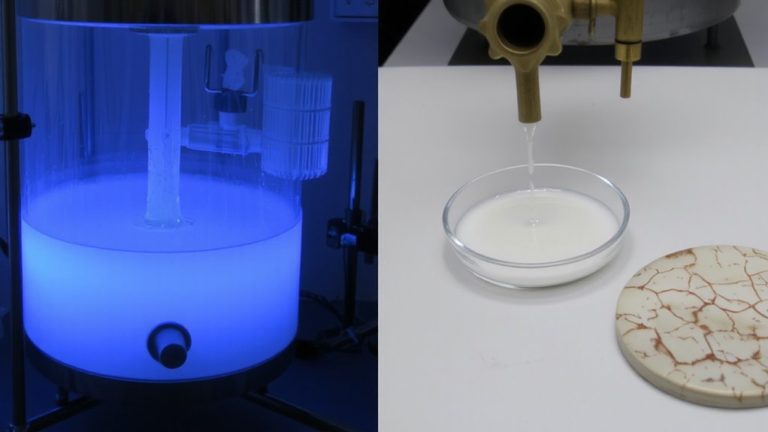
Though safer and eco-friendly, are PAA blends truly the best choice for your facility’s sterilization needs?
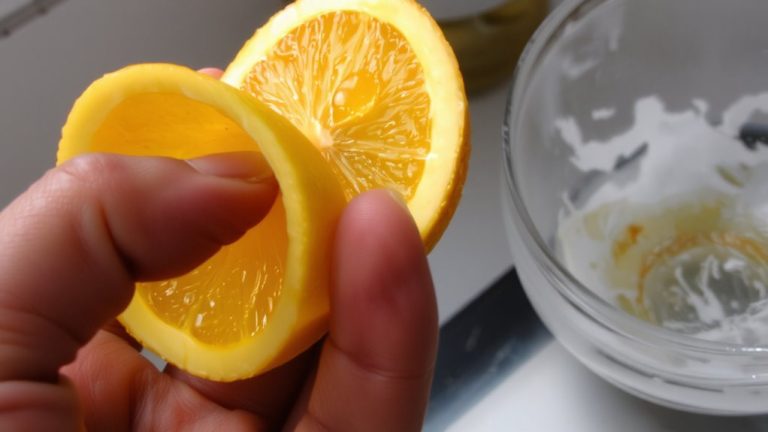
The citrus cleaner that cuts through grease like magic might also be irritating your skin—discover why d-limonene is as harsh as it is helpful.
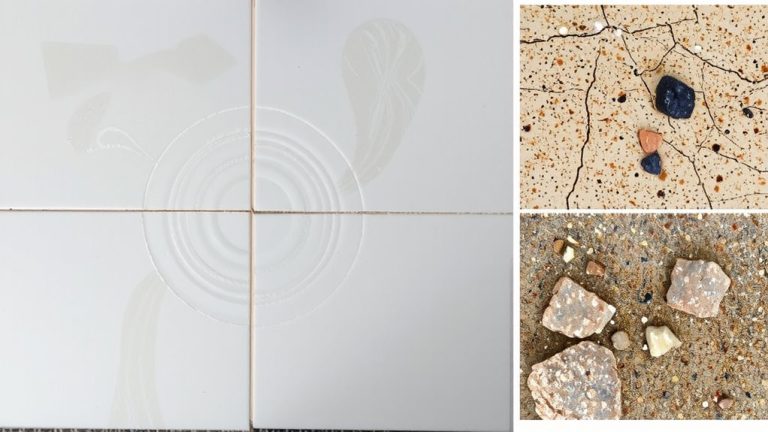
Less than 45 seconds is too fast—discover the surprising evaporation sweet spot that boosts cleaning power without leaving residue behind.
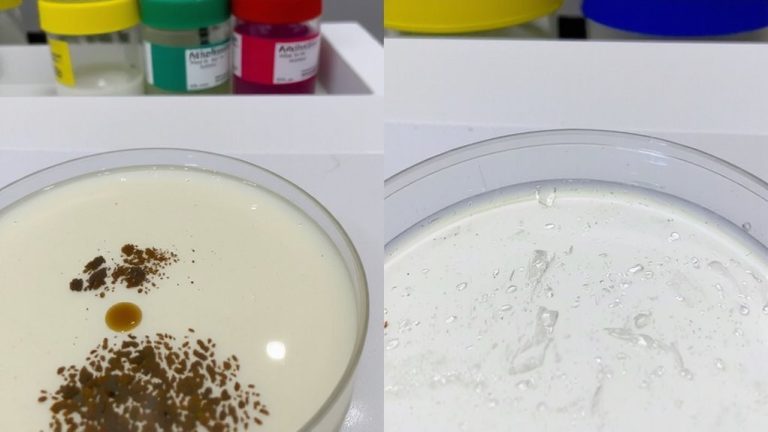
While tea tree oil takes longer to act, its natural power against mold and safety for pets and the environment may surprise you—could it truly rival synthetic fungicides?
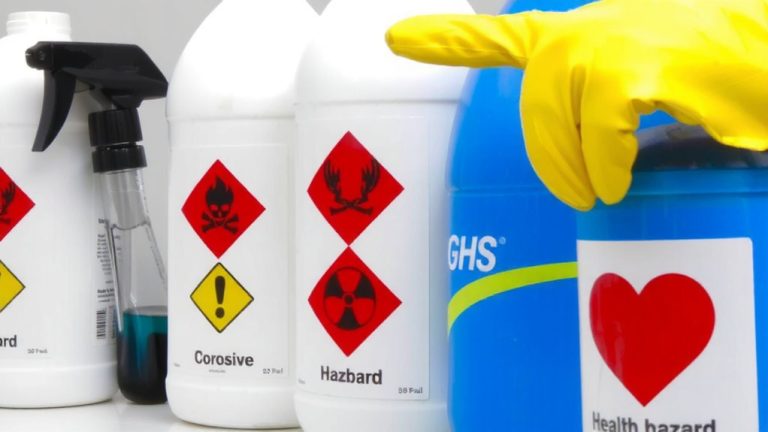
Only by decoding GHS safety pictograms can you unlock the full potential of professional-grade cleaners—discover what you’ve been missing.