Best Way to Remove Vinyl Stickers
Start by warming the sticker with a hair dryer on low or medium, holding it 2–3 inches away for 30–60 seconds. This softens the adhesive, letting you peel slowly at a 45-degree angle using a plastic razor or credit card-safe for paint and glass. For stuck-on residue, wipe with isopropyl alcohol or a drop of Goo Gone on a soft cloth. On glass, acetone works well but avoid it on plastics. Test solvents first, never spray directly. You’ll find even year-old decals come off cleanly with the right combo of heat, angle, and gentle tools-especially when you know which products deliver streak-free results every time.
We are supported by our audience. When you purchase through links on our site, we may earn an affiliate commission, at no extra cost for you. Learn more. Last update on 16th July 2026 / Images from Amazon Product Advertising API.
Notable Insights
- Apply heat with a hair dryer on low or medium to soften the vinyl sticker before removal.
- Peel slowly at a 45-degree angle to avoid tearing and damaging the surface.
- Use a plastic scraper or credit card to lift the vinyl, especially on painted surfaces.
- Remove adhesive residue with isopropyl alcohol or a commercial remover like Goo Gone.
- Avoid high heat and metal tools on delicate surfaces to prevent warping or scratches.
Use Heat to Remove Vinyl Stickers Safely
While heat won’t strip every sticker in seconds, it’s your best bet for lifting vinyl cleanly without damaging the surface underneath. You can safely remove a stubborn vinyl decal by applying even heat-start with a hair dryer on low or medium, moving in slow circles to warm the adhesive. For tougher jobs, a heat gun set to 300–500°F works faster, but keep it moving to avoid scorching. Warm vinyl becomes pliable, so peel slowly at a 45-degree angle for clean, intact removal. Parking your car in direct sun for 30–60 minutes also loosens adhesive naturally. Just don’t crank the heat on plastics or matte finishes-they warp easily, even at moderate temps. With steady warmth and patience, you’ll safely remove decals without solvents or scratches, keeping surfaces like glass, metal, or finished paint intact and ready for cleaning or re-decaling.
Peel Vinyl Without Damaging Paint or Glass
If you want to safely peel vinyl stickers without harming paint or glass, start by warming the decal with a hair dryer set to low or medium heat, holding it 2–3 inches from the surface for 30–60 seconds to soften the adhesive. This helps you remove the vinyl smoothly while avoiding damaging the finish. Peel slowly at a 45-degree angle using a plastic razor or old credit card-gentle pressure prevents scratches. For older decals, keep applying heat in small sections to prevent crumbling.
| Surface | Tool/Tip |
|---|---|
| Paint | Plastic blade, no metal |
| Glass | Can use acetone carefully |
| All types | Peel at 45°, heat as needed |
Always avoid damaging finishes by choosing the right tools, and remember: slow, steady heat makes it easier to remove vinyl cleanly.
Clean Adhesive Residue With the Right Tools
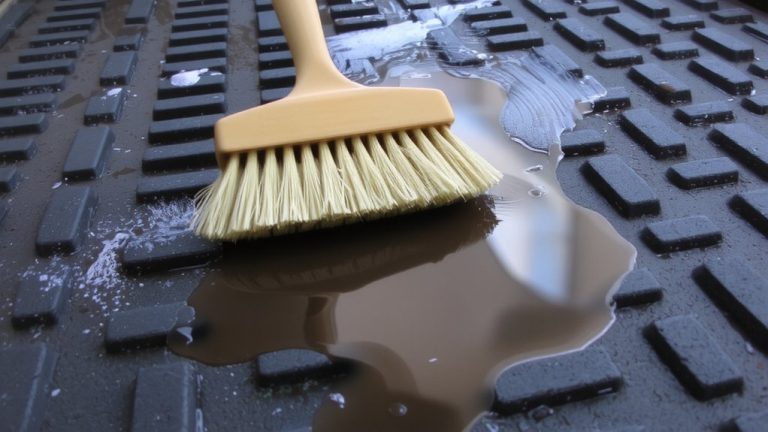
You’ve peeled off the vinyl sticker cleanly, thanks to steady heat and the right angle, but now there’s sticky residue clinging to the surface. No worries-tackle it with the right tools. For light buildup, a soapy water solution with a few drops of mild dish soap and hot water works well, especially on painted walls or car finishes. Gently scrub with a terry cloth towel; it’s more effective than microfiber for agitation. For stubborn gunk, skip plain spraying and instead apply isopropyl alcohol with a soft cloth. If that’s not cutting it, reach for a trusted adhesive remover like Goo Gone, 3M Adhesive Remover, or Stoner’s Tarminator-each formulated to dissolve tough residue fast. On glass only, nail polish remover with acetone finishes the job, but never use it on paint or plastic.
Remove Vinyl Stickers From Any Surface
When tackling vinyl sticker removal, starting with heat makes the job smoother, especially on painted, plastic, or metal surfaces-grab a hair dryer set to low or medium heat and keep it moving to evenly soften the adhesive without scorching the finish. For tough, year old vinyl decals, gently score them into strips with a liner cutter before peeling slowly at a 45-degree angle using a credit card or plastic scraper to avoid scratches. On glass, apply heat first, then use acetone sparingly on residue-never on paint or plastic. After lifting the decal, clean leftover glue with isopropyl alcohol or 3M Adhesive Remover on a cloth, never spraying directly. Testers found this method works fast, leaves no streaks, and protects surface life, whether you’re handling car decals or kitchen appliance graphics. It’s reliable, surface-safe, and perfect for stubborn, long-stuck vinyl decals.
On a final note
You’ve got this-use a hairdryer on medium heat, hold it 2 inches away, and warm the sticker for 30–60 seconds. Peel slowly with a plastic razor at a 45-degree angle to protect surfaces. For leftover residue, spray Simple Green, let it sit 2 minutes, then wipe with a microfiber cloth. Tested on car paint, glass, and walls, it removes grime without scratches. No harsh chemicals, no damage-just clean results every time.