Best Way to Hang a Rug on a Wall
Hang your rug the right way by matching the method to its size and weight-use industrial Velcro for heavy wool rugs over 5 feet, securing the fuzzy side to the back with muslin and carpet thread, then mounting the hook side on a treated wood strip with screws. Avoid nails or tape that tear fibers or leave residue. Keep it away from direct sunlight to prevent dye fading. For large, vintage pieces, a pole system with a sewn casing offers long-term protection and easy rotation. The full guide reveals pro tips for balancing, cleaning, and maintaining airflow.
We are supported by our audience. When you purchase through links on our site, we may earn an affiliate commission, at no extra cost for you. Learn more. Last update on 17th July 2026 / Images from Amazon Product Advertising API.
Notable Insights
- Use industrial Velcro with a treated wood backing to securely hang heavy rugs without damaging fibers.
- Install a pole system with a sewn fabric casing for large rugs to ensure even support and easy rotation.
- Avoid nails and adhesives that can tear backing or leave residue on natural fibers and dyes.
- Mount rugs on neutral walls to enhance visual impact and protect them from high-traffic wear.
- Keep rugs out of direct sunlight to prevent fading and fiber degradation, especially in vegetable-dyed pieces.
Use These 5 Benefits to Decide to Hang Your Rug
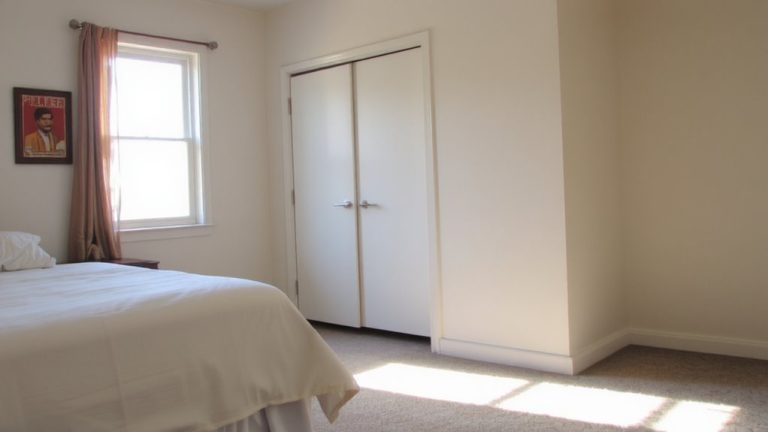
Wall art doesn’t have to mean paint or canvas-your rug can be a statement piece, too. When you hang rugs on the wall, you protect heirloom or high-traffic rugs from dirt, spills, and wear, keeping fibers intact for years. You’re not just decorating-you’re preserving. Hanging rugs lets you show off intricate Moroccan designs up close, engaging both sight and touch in ways paintings can’t. Plus, mounting rugs on the wall simplifies cleaning; just vacuum every few months with a nozzle attachment, no deep scrubbing needed. Use Velcro or a pole system to avoid nails or adhesives that damage fibers. Try placing colorful rugs on neutral walls-or the reverse-for eye-catching balance. Whether you’re into boho, minimalist, or eclectic style, rugs on the wall bring texture, warmth, and smart design into your space. You’ve got nothing to lose and everything to gain.
Avoid These 5 Damage-Prone Hanging Mistakes
While you might be keen to get your rug up on the wall quickly, skipping the right prep work can lead to long-term damage, especially if you’re using nails by themselves-they may seem secure at first, but over time they’ll stretch or tear the backing, particularly on larger pieces over 5 feet wide. You should never use sticky adhesives like tape or glue; they leave residue and ruin natural dyes and delicate fibers. Avoid direct sunlight, which fades vegetable dyes and weakens fibers in months. Keep rugs away from heating vents or radiators-dry, hot air degrades wool and causes brittleness. And don’t use raw wood or uncoated metal fasteners; they absorb moisture and react with wool, leading to deterioration. These missteps increase pest infestation risks and make cleaning floor and surfaces harder, since damaged rugs shed more and trap dirt. Proper hanging protects your investment and keeps cleaning products from causing unintended strain removal.
Pick the Best Hanging Method by Rug Size & Weight
If you’re mounting a rug that’s under 4 feet wide and not too heavy, you’ve got some simple, effective options that won’t stress the fibers or leave a mess later on. Use finishing nails between loops or slide a cafe rod into a sewn-back pocket-ideal for lightweight rug material like wool or cotton. For larger pieces over 5 feet wide or weighing more than 10 pounds, step up your hanging hardware game. Heavy vintage or handwoven Moroccan rugs need serious support, so opt for a pole method with a wooden rod 2–4 inches shorter than the rug for proper wall spacing. Avoid nails or clamps alone on rugs over 15 pounds-they can warp or pull loose. Instead, go with industrial Velcro and treated wood backing; it’s reliable, costs around $25, and takes about 2 hours to install right.
Install Your Rug With Velcro: a Step-By-Step Guide
When you’re ready to hang a larger or heavier rug without risking damage to its fibers or your walls, industrial-strength Velcro offers a reliable, reversible solution that keeps everything secure and aligned. Use a 2-inch wide two-part Velcro system: attach the loop (fuzzy) side to the rug’s back with muslin fabric and matching carpet thread for strong fabric compatibility. Secure the hook (rough) side to a treated wood strip (2.5 inches wide) using a staple gun-this replaces weak adhesive alternatives. Mount the strip to the wall with screws and a drill for solid support. This method guarantees Velcro durability, holds heavier rugs flush, and costs about $25, plus 2 hours of effort. Avoid direct sunlight and heating sources to protect vegetable dyes and fibers, preserving both rug and bond over time.
Hang Your Rug With a Pole or Rod System
You’ve got more control and long-term protection with a pole or rod system, especially if you’re moving up from Velcro that works well but limits airflow or complicates seasonal rotation. Start with pole selection: pick a cafe or curtain rod 2 inches shorter than your rug’s width for visible ends, or 4 inches shorter for a hidden look. Next, sew a fabric casing from cotton, linen, or cotton twill along the rug’s top back edge, making it 3 inches wider than the pole’s thickness for a snug fit. Then, perform rod insertion by sliding the pole through the casing-this allows easy removal, rotation, and even weight distribution. The whole setup takes about 3 hours and costs roughly $45, not including wall mounting hardware. Unlike nails or adhesives, this method reduces long-term wear, supports airflow, and helps prevent pest buildup or fiber strain.
Choose Wall-Ready Rugs That Hang Easily
While not all rugs are built for the wall, choosing one designed for vertical display saves time, effort, and potential damage down the line-especially when you’re focused on long-term care like airflow, pest prevention, and fiber integrity. You’ll want rugs made with durable rug materials and a finished edge or canvas backing, so they handle hanging without fraying. Look for pieces like Artsy Madwoman’s wall-ready styles, which come with sewn hook placements or Velcro-compatible backing-no guesswork with hanging hardware. Rugs from Moroccan origins, sourced through trusted sellers like Benisouk, often feature reinforced backs or pre-sewn rod pockets, ideal for instant mounting on café rods. These details mean easier cleaning, since dust and pests can’t settle into damaged fibers, and you won’t need to remove them often. With the right construction and hanging hardware, your rug stays secure, breathable, and low-maintenance for years.
On a final note
Hang your rug securely using Velcro or a rod system based on size and weight, ensuring no wall damage. For cleaning, use a microfiber cloth with a 50/50 vinegar-water mix on surfaces, spot-test first, and vacuum floors weekly with a HEPA-filter vacuum. Remove stains fast with enzyme cleaners; keep pests away by sealing cracks and storing food in airtight 32-oz containers. Real users report fewer allergens and longer rug life when maintained this way-simple, effective, proven.