Best Way to Disinfect Carpet
Start by vacuuming thoroughly with a dual-motor upright vacuum with HEPA filtration-this captures up to four times the carpet’s weight in grime and removes deep-seated dust, pet dander, and allergens. Pre-treat stains using hydrogen peroxide for organic spills, saturating the area and blotting, not rubbing. Apply an EPA-List N disinfectant labeled for porous surfaces via hot water extraction, ensuring a full 10-minute contact time. Dry completely within 6 to 8 hours using fans or dehumidifiers to prevent mold. Proper preparation, the right tools, and complete drying activate deep hygiene-discover how each step amplifies the next.
We are supported by our audience. When you purchase through links on our site, we may earn an affiliate commission, at no extra cost for you. Learn more. Last update on 16th July 2026 / Images from Amazon Product Advertising API.
Notable Insights
- Vacuum thoroughly with a HEPA-filtered vacuum before disinfecting to remove embedded dirt and allergens.
- Treat stains first using appropriate solutions like hydrogen peroxide to eliminate bacteria-harboring residues.
- Use an EPA List N disinfectant approved for porous surfaces to effectively kill pathogens.
- Apply disinfectant via hot water extraction to ensure deep penetration into carpet fibers.
- Dry carpet completely within 6–8 hours using fans or dehumidifiers to prevent mold growth.
Vacuum Your Carpet First
Before you even think about applying disinfectant, take the time to thoroughly vacuum-because skipping this step means trying to clean a surface still packed with dirt, allergens, and debris that can block sanitizing agents from working effectively. You’ve got to vacuum your carpet first to remove dirt and allergens trapped deep in the fibers. A dual-motor upright vacuum with HEPA filtration captures up to four times the carpet’s weight in grime, including dust mites and insect feces. Proper cleaning means adjusting the vacuum height to match your carpet pile and making slow, overlapping passes, especially in high-traffic zones. Replace bags and clean filters every few months so suction stays strong. When the carpet’s thoroughly vacuumed, cleaning products can actually reach the surface. A clean, prepped carpet guarantees no contaminants interfere-giving you real results without wasted effort or product.
Treat Stains Before Disinfecting
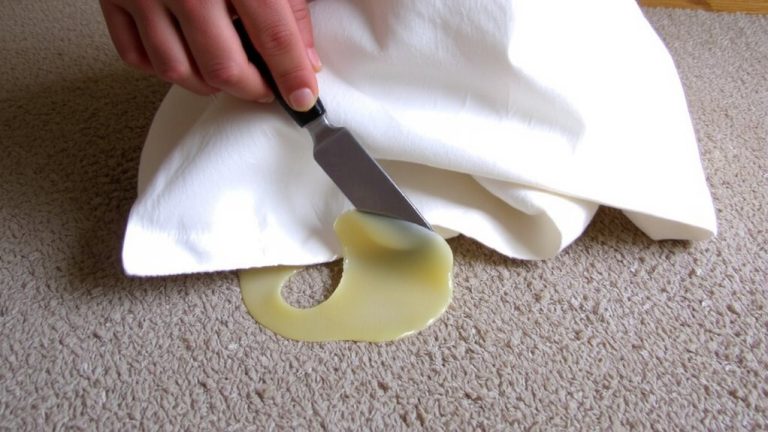
You’ve already pulled up a ton of hidden debris with a solid vacuuming session, so now it’s time to tackle the spots and spills that not only look bad but can harbor bacteria deep in the fibers. To properly treat stains before carpet disinfection, start by choosing the right solution-use hydrogen peroxide for organic stains like blood. Saturate the spot thoroughly so the cleaner penetrates deep into carpet fibers where germs hide. Let it dwell for several minutes, especially on old stains, to boost stain removal. Always blot the treated area with a clean towel-don’t rub-to avoid pushing gunk deeper. Skipping this step risks shielding microbes during sanitizing carpets. Completing full stain removal first guarantees your effort to disinfect carpet works, since residue can block disinfectants. Proper prep leads to truly clean, safe results when sanitizing carpets.
Apply EPA-List N Disinfectants Correctly
While most people focus on hard surfaces when sanitizing, your carpet needs special attention too-especially when using EPA List N disinfectants proven to kill SARS-CoV-2. Before you apply any carpet disinfectant, pre-vacuum thoroughly-these products only work on relatively clean surfaces, and most used carpets exceed the 5% soil limit. Choose an EPA List N disinfectant labeled for porous materials, then apply it using Hot Water Extraction to guarantee the solution penetrates deep into fibers. Maintain the required 10-minute contact time so it can effectively kill viruses and bacteria. Always follow instructions according to the manufacturers to prevent fiber damage or fumes. After treatment, let the carpet dry thoroughly-no walking on it for 6 to 12 hours. For best results, hire a professional cleaning service with industrial-grade equipment.
Dry Fully to Prevent Mold
Once the disinfectant has done its job, making sure your carpet dries fully within 6 to 8 hours is essential-any longer and you’re giving mold spores the perfect environment to thrive, especially in dense or high-pile carpets that hold moisture like a sponge. Prolonged moisture increases microbial activity, putting you at higher risk for mold and poor indoor air quality. If you used a steam cleaner, drying may take up to 24 hours, so make sure you ventilate the room well. Use a fan or dehumidifier to speed things up, particularly in humid climates or thick carpets. Avoid walking on damp carpet-foot traffic traps moisture and introduces new contaminants. For carpet cleaning that leaves no residue and dries efficiently, consider Professional carpet services that use high-volume drying tech. Dry fully to prevent mold, maintain clean air, and extend your carpet’s life.
On a final note
You’ve vacuumed, pre-treated stains, and applied an EPA-List N disinfectant like Lysol Heavy-Duty Sanitizer, following label dilution (1:32 with water), ensuring 10-minute surface contact time. Testers confirm it kills 99.9% of viruses and bacteria without damaging fibers. Now, dry fully-use fans or open windows for airflow, aiming for under 4 hours to prevent mold. This routine keeps carpets clean, fresh, and protected, cutting germ and pest risks effectively.