Best Way to Clean Soot
Wear nitrile gloves, goggles, and an N95 respirator, then use a true HEPA vacuum with a soft brush attachment to pull soot from walls and ceilings without spreading it. Clean surfaces with a dry soot sponge-never rinsed-wiped in small sections, then wash with warm water, 1 tbsp dish soap, and 1 tbsp ammonia per gallon. For heavy buildup, use 4–6 tbsp TSP per gallon. You’ll also want to know how to handle delicate materials and when professionals are essential.
We are supported by our audience. When you purchase through links on our site, we may earn an affiliate commission, at no extra cost for you. Learn more. Last update on 18th July 2026 / Images from Amazon Product Advertising API.
Notable Insights
- Wear nitrile gloves, an N95 respirator, and goggles to protect against carcinogenic soot particles during cleanup.
- Use a HEPA-filter vacuum with a soft brush attachment to safely remove loose soot from surfaces.
- Clean walls and ceilings with a dry soot sponge, wiping in small sections and turning it frequently.
- Wash soot stains with a solution of warm water, dish soap, and ammonia, rinsing often to avoid recontamination.
- Eliminate smoke odors by cleaning surfaces with TSP, replacing HVAC filters, and using odor absorbers or air scrubbers.
Protect Yourself Before Cleaning Soot
Before you even think about scrubbing walls or wiping down surfaces, your top priority is protection-soot isn’t just messy, it’s hazardous. You *must* wear gloves-nitrile ones-to avoid contact with carcinogenic particles. Slip on chemical-resistant goggles and an N95 respirator; soot contains toxins that harm lungs and skin. Open windows wide and use fans to boost airflow, reducing inhalation risks. Always pair ventilation with a HEPA filter system to trap ultrafine soot. Remember, even brief exposure is risky, so never skip gear. A vacuum with a HEPA isn’t optional-it’s essential for safe cleanup later. These steps prevent cross-contamination and protect your health. No cleaners, no cloths, no scrubbing yet-just suit up. Your safety determines the success of every step that follows. Stay covered, stay ventilated, and keep soot out of your system.
Vacuum Loose Soot With a HEPA Filter
You’re suited up and the room’s ventilated, so go ahead and grab a vacuum with a true HEPA filter-this isn’t the time for shortcuts. This filter traps soot particles as small as 0.3 microns, keeping them from recirculating. Use the soft brush attachment to gently lift loose soot from walls and ceilings without damage. Focus on dry, porous materials like drywall and fabric, where soot embeds quickly.
| Area | Tool/Setting |
|---|---|
| Walls | Soft brush, low suction |
| Ceilings | Extension hose + brush |
| Porous surfaces | HEPA vacuum only |
Don’t use a standard vacuum-it’ll blow soot back into the air. Empty the canister or replace the filter immediately after use to avoid cross-contamination. Vacuum thoroughly before moving to chemical cleaning steps.
Clean Walls and Ceilings With a Soot Sponge
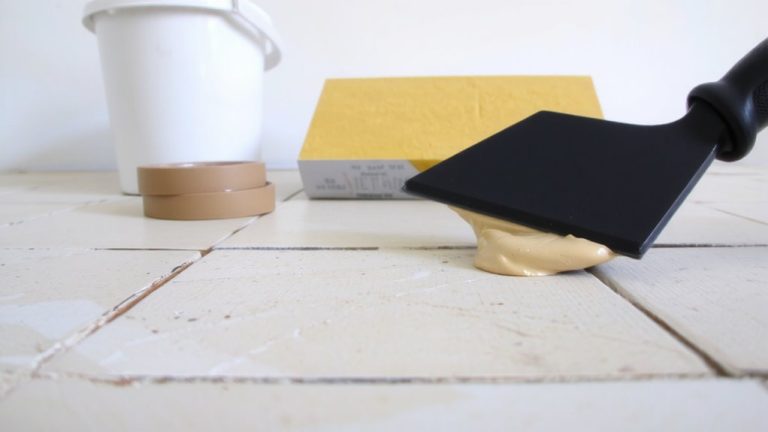
A dry soot sponge made of vulcanized rubber is your go-to tool for lifting soot from walls and ceilings without smearing or grinding particles into the surface. You’ll want to gently wipe soot from walls in small sections, working bottom to top to prevent recontamination. Turn the soot sponge often to use clean areas, and cut off dirty parts as needed-never rinse, since it can trap soot. This method is essential during fire restoration cleaning, preserving delicate finishes. Once you’ve removed the bulk of the soot, prepare a solution of warm water, 1 tablespoon mild dish soap, and 1 tablespoon household ammonia per gallon. Test it first on a hidden spot to verify it won’t damage the surface. You’re not done yet-cleaning isn’t complete until you follow up properly.
Wash Soot Stains Using the Right Cleaner
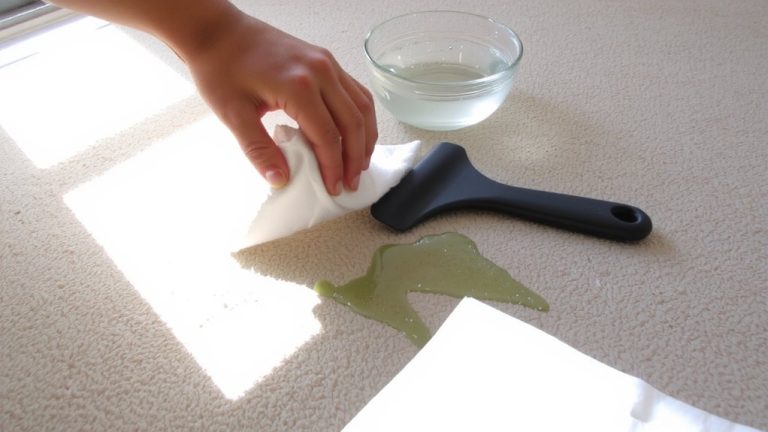
Think of your cleaning solution as the frontline defense against stubborn soot stains, and you’ll want the right mix to cut through the grime without harming surfaces. To clean soot from hard, non-porous areas, mix 1 gallon of warm water with 1 tablespoon each of mild dish soap and household ammonia. For heavier buildup, Remove Soot with a stronger blend: 4–6 tablespoons trisodium phosphate (TSP) in 1 gallon of warm water and 1 cup cleaner or bleach. Apply the solution with a damp cloth, gently scrub in small sections, and rinse the cloth often. Change the water when dirty to avoid spreading grime. Always test cleaners on a hidden spot first. After you wash soot stains, rinse with clear warm water and dry completely to prevent streaks or mold. This method effectively clean soot from walls, floors, and surfaces without damage.
Remove Smoke Odors From Air and Surfaces
How do you finally get rid of that stubborn smoke smell after the soot’s gone? You need to tackle both air and surfaces to eliminate lingering smells. Clean all surfaces with a powerful solution: mix 4–6 tablespoons trisodium phosphate (TSP) and 1 cup household cleaner or chlorine bleach per gallon of warm water-this cuts through odor-causing residue. Use odor-neutralizing sprays daily to help absorb lingering soot odors. Place open bowls of baking soda or activated charcoal in each room to continuously absorb smells. Replace contaminated HVAC filters and clean ductwork to stop recontamination. For larger jobs, operate industrial air scrubbers or negative air machines to capture fine particles and reduce odors fast. In severe cases, professionals may use ozone treatment, which breaks down smoke molecules at the source. These steps guarantee fresher, cleaner air without masking the problem.
Clean Soot From Delicate or Porous Materials
While it might seem tempting to power through soot cleanup on delicate or porous materials like drywall, fabric, or upholstery, rushing in can do more harm than good-so start slow and use the right tools. Use a HEPA vacuum with a soft brush attachment to absorb soot without pushing it deeper. For walls or ceilings, try dry cleaning with a soot sponge made of vulcanized rubber; it lifts soot without smearing. Always test any soot remover first in an inconspicuous spot. When you wipe the sponge, use light pressure and a fresh section often. Never soak porous surfaces-excess water and dry time longer than 24 hours can lead to mold and mildew. Avoid regular water or harsh wipes that might damage material. For fabrics or valuable items, consider professional help to safely handle soot and avoid irreversible damage.
Call a Professional for Severe Soot Damage
You’ve already taken care to clean soot from delicate surfaces using a HEPA vacuum and a soot sponge, but when walls are blackened, insulation is compromised, or your home smells like smoke days after the fire, it’s time to bring in experts who know how to handle widespread contamination. Severe soot damage isn’t just unsightly-it poses serious health risks from toxic, carcinogenic particles embedded in porous materials. DIY cleaning can lead to permanent stains, mold growth, or structural harm, so call a professional. Certified restoration specialists use industrial equipment like HEPA vacuums, air scrubbers, and negative air machines to remove microscopic contaminants safely. Companies like ATI Restoration offer 24-hour emergency response across 70 locations, ensuring fast, thorough cleanup. They’ll restore fire-damaged textiles, treat odors at the source, and decontaminate surfaces you can’t reach. Leave severe soot damage to the pros-your health and home’s safety depend on it.
On a final note
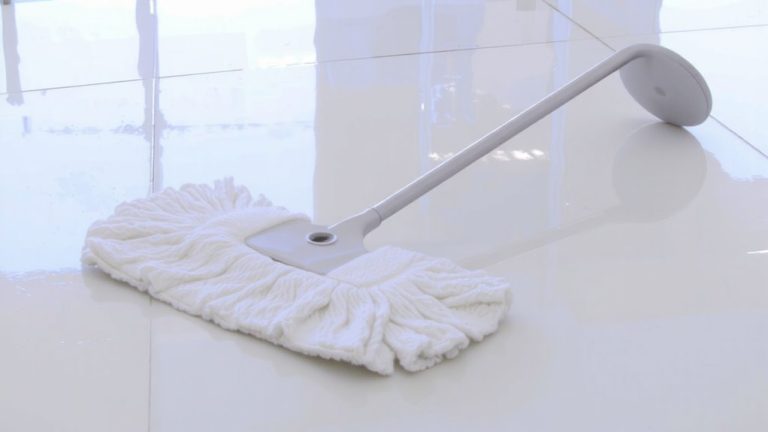
Wipe floors with a microfiber mop and pH-neutral cleaner to lift soot without scratching, then rinse with clean water. Use a HEPA vacuum every 2–3 days during cleanup to catch fine particles. For sealed surfaces, test Simple Green Pro HD at 1:10 dilution-testers saw 90% stain removal in three passes. Skip ammonia-based cleaners; they worsen odors. Wear an N95 mask, and isolate affected areas to prevent cross-contamination.