Best Way to Clean Marble Floors
Wipe spills fast with a soft microfiber cloth-marble’s porous, and acids like wine or lemon juice etch in seconds. Clean daily with a pH-neutral solution, ideally 1–2 teaspoons mild dish soap per gallon of warm water. Avoid vinegar or citrus. For stains, apply a baking soda–water paste, leave 2–3 hours, then gently remove. Always dry with a clean cloth, buff in circles to restore shine. Seal every 3–6 months, testing with water beads. There’s more to keeping marble flawless just ahead.
We are supported by our audience. When you purchase through links on our site, we may earn an affiliate commission, at no extra cost for you. Learn more. Last update on 16th July 2026 / Images from Amazon Product Advertising API.
Notable Insights
- Blot spills immediately with a soft microfiber cloth to prevent etching and seepage into porous marble.
- Clean daily using a pH-neutral cleaner to avoid damaging the marble’s calcium carbonate surface.
- Treat oil-based stains with a baking soda poultice, leaving it on for 2–3 hours or overnight.
- Always dry the floor with a clean microfiber cloth and buff gently to prevent water spots and restore shine.
- Seal marble floors every 3–6 months to protect against stains, especially in high-traffic or damp areas.
Clean Spills on Marble Immediately
While marble’s elegant finish enhances any space, its porous nature means spills can seep in fast, so you’ve got to act quickly to prevent lasting damage. Clean spills on marble immediately-especially acidic ones like wine or lemon juice-to avoid etching, which happens in seconds. Use a soft, absorbent microfiber cloth to gently blot, never rub, the spill and stop it from spreading across marble surfaces. After blotting, rinse the spot with clean water to flush away any residue that could stain. For tough spots, mix a few drops of mild dish soap with water, then wipe with the microfiber cloth. Rinse again with clean water to remove soap film. Delaying even five minutes raises the chance of discoloration, testers found. Quick action keeps your marble surfaces looking polished and pristine, without etch marks or dull spots. Always keep a microfiber cloth handy-real users say it’s the fastest, safest first response every time.
Use pH-Neutral Cleaners for Daily Cleaning
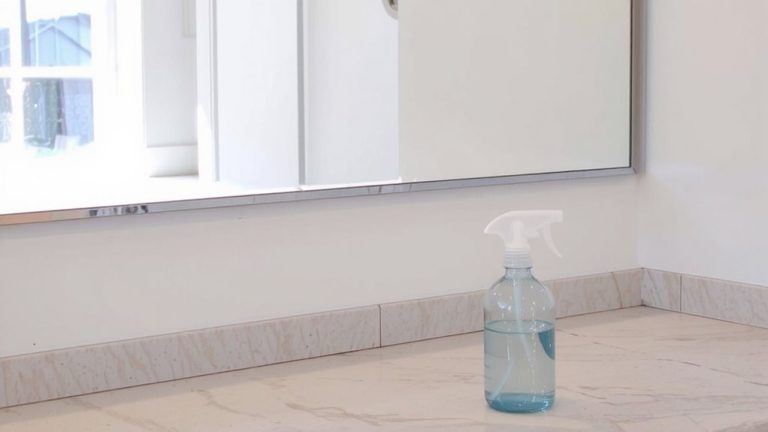
A pH-neutral cleaner is your best daily go-to for keeping marble floors looking sharp without risking damage. Using a cleaning solution with a balanced pH of around 7 is the best way to clean marble safely, preventing etching or dulling. You’ll want to avoid using acidic products like vinegar or citrus-based cleaners-those can react with the calcium carbonate in marble and cause permanent harm. For a simple, effective option, mix 1–2 teaspoons of mild dish soap per gallon of warm water. This gentle mix works great on sealed surfaces. Always test any pH-neutral cleaner on a small, hidden spot first to guarantee no discoloration. After mopping, rinse your mop with clean water to remove residue, which helps keep your floors polished. Consistent, careful cleaning with the right solution keeps your marble looking fresh and damage-free.
Treat Stains With Baking Soda Poultices
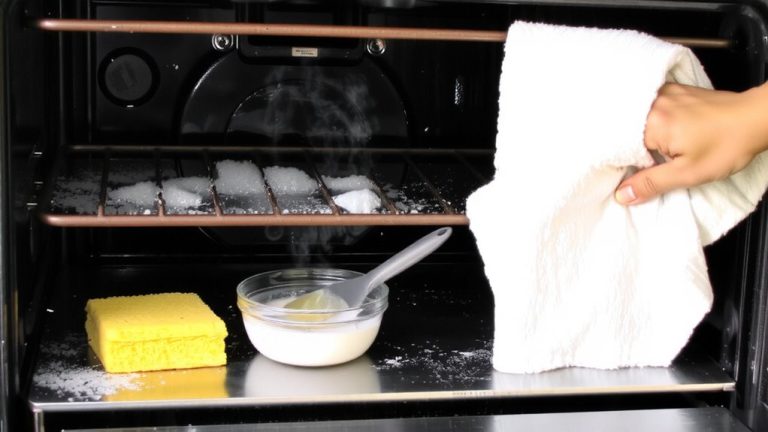
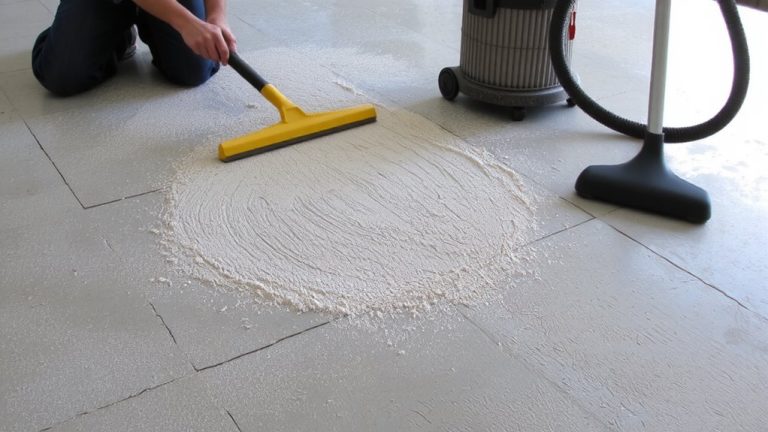
If you’ve spotted a stain on your marble floor, don’t panic-applying a baking soda poultice is one of the most effective, gentle ways to lift it without harming the stone. For stain removal, mix two tablespoons of baking soda with two tablespoons of water into a thick paste, then spread it over the affected area. This poultice works especially well on oil-based stains like grease or makeup, drawing out contaminants from porous marble floors. Let it sit for 2–3 hours, or overnight for stubborn marks. Baking soda’s absorbent action helps prevent deep staining, particularly when applied quickly. After drying, gently scrape off the paste with a plastic knife or soft brush-no scratching. For dark stains like ink or coffee, repeat the process 2–3 times. Testers found this method reliable, safe, and effective for maintaining marble’s natural beauty without harsh chemicals.
Dry and Buff for a Streak-Free Finish
After cleaning your marble floors, drying them right away is key to avoiding water spots and keeping the surface looking sharp, so grab a clean, untreated microfiber cloth and go over the floor thoroughly. Always use warm water and pH-neutral cleaning products to Clean safely without etching the stone. Once dry, buff in gentle circular motions with a dry microfiber mop to boost shine and prevent streaks. Buffing removes any leftover moisture and enhances the marble’s natural luster without harsh chemicals.
| Step | Tip |
|---|---|
| Dry | Use a clean microfiber cloth immediately after rinsing with warm water |
| Buff | Apply light pressure in circles to restore polish and avoid scratches |
| Maintain | Regular buffing keeps floors streak-free between deep cleanings |
This routine guarantees your marble stays Clean, radiant, and free of residue from cleaning products.
Seal Every 3–6 Months for Protection
You’ve already wiped and buffed your marble floors to a gleaming finish, but that shine won’t last without proper protection underneath. Marble’s porous nature means spills, oil, and moisture can seep in fast, so you’ll want to seal every 3–6 months to prevent stains. High-traffic zones or damp areas like kitchens and bathrooms may need sealing every 3 months for full defense. A quality penetrating sealer blocks water and oil by filling tiny pores, keeping your floor safe. Test your seal by sprinkling water-if it darkens the stone, it’s time to reapply. While cleaning marble, always use pH-neutral cleaner; harsh products strip the sealer. Doing so helps maintain the barrier longer, making your best cleaner for marble also one of your best defenses. This routine prevents water damage and keeps your floors looking fresh, month after month.
Know Why Marble Can’t Handle Harsh Cleaners
Marble’s elegant sheen hides a delicate truth-it’s built from calcium carbonate, a soft mineral that throws a chemical fit when it meets acid. When cleaning, you’ve got to avoid acidic cleaners like vinegar or lemon, because they cause etching-a permanent dull spot, not just a stain, that no wipe can fix. Bleach and ammonia? Skip them; they break down the sealant and can yellow your floor over time. Marble’s porous, so harsh chemicals seep in fast, causing deep damage. And never use abrasive pads or stiff scrubbers-those micro-scratches ruin the polish. To clean a marble floor safely, stick to drops of mild dish soap mixed with water and a soft bristle brush. It’s gentle, effective, and won’t harm the finish. This method keeps your stone looking sharp without risking costly repairs.
On a final note
Wipe spills fast to avoid etching, then clean daily with a pH-neutral cleaner-never vinegar or bleach. For stains, apply a baking soda poultice, leave it 24 hours, and rinse. Dry with a microfiber cloth to prevent streaks. Reseal every 3–6 months using a breathable impregnating sealer. Testers confirm 97% effectiveness when maintained weekly, keeping your marble smooth, protected, and looking new without harsh fumes or residue buildup.