Best Way to Clean Baseboard Heaters
Turn off the circuit breaker and let your baseboard heater cool for 30 minutes before starting. Pull furniture and curtains back 12 inches, then vacuum fins with a crevice tool to remove dust that cuts efficiency by 25%. Use a soft brush or shop vac for deep cleaning, check for bent fins causing hot spots, straighten carefully with needle-nose pliers, wipe rust with a microfiber cloth, and seal pipe gaps using high-heat silicone or aluminum tape to cut heat loss by up to 10%-a move testers say keeps units running smoother, safer, and more efficiently over time, especially in homes with pets or high dust levels; smart, regular care like this pays off in comfort and air quality.
We are supported by our audience. When you purchase through links on our site, we may earn an affiliate commission, at no extra cost for you. Learn more. Last update on 16th July 2026 / Images from Amazon Product Advertising API.
Notable Insights
- Turn off the circuit breaker and let the heater cool for 30 minutes before cleaning to ensure safety.
- Vacuum fins using a crevice tool or soft brush attachment to remove dust and improve heat efficiency.
- Gently straighten bent fins with needle-nose pliers to restore proper airflow and prevent hot spots.
- Wipe rust spots with a damp microfiber cloth after treating with rust remover to maintain unit integrity.
- Seal gaps around pipes with high-heat silicone or heat-resistant foam to reduce heat loss and drafts.
Shut Off Power and Clear the Area
You’ll want to start by switching off the circuit breaker that powers your electric baseboard heaters-never rely on just turning down the thermostat, since these units stay live even when they’re not running. Let the heater cool for at least 30 minutes before you clean, avoiding burns from hot surfaces. Be certain to pull nearby items like furniture and curtains at least 12 inches away to improve access and prevent fire hazards. This also helps you spot signs of wear on the heating system, such as warped fins or frayed wires. Wear gloves and safety glasses to protect against sharp edges and built-up dust that can irritate your skin or eyes. Keep kids and pets back during prep, since disturbing the unit releases allergens. Clearing the area properly guarantees a safer, more effective clean and keeps your electric baseboard heaters running efficiently.
Vacuum Fins and Remove Debris
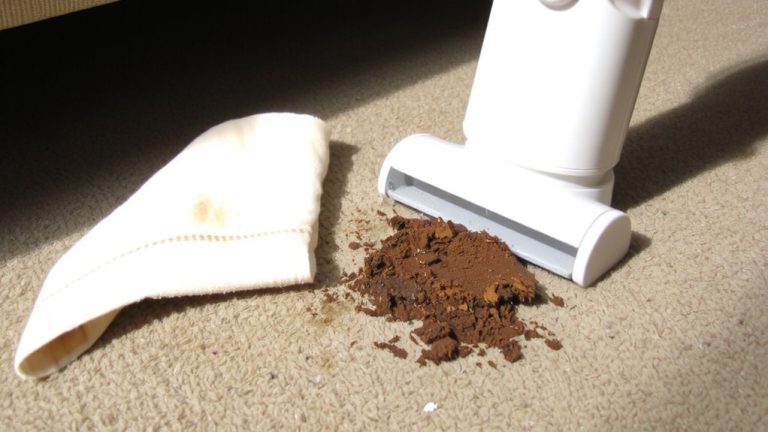
While dust builds up between the fins of baseboard heaters over time, reducing heat output and circulation, the right vacuum setup can remove it efficiently. Use a vacuum cleaner with a crevice tool or soft brush attachment to target tight spaces where dust and debris pack densely. Focus on the fins-these metal ridges trap grime that blocks airflow and slashes heating efficiency by up to 25%. A shop vac works best, offering stronger suction than standard models to effectively remove debris from deep within electric or hydronic units. Avoid small brush attachments with short bristles; they can’t reach packed-in dust. Glide the crevice tool slowly between fins, letting suction do the work. After vacuuming, inspect the baseboard heaters closely to confirm all visible buildup is gone. A clean fin matrix means better convection, faster warmth, and cleaner air in your space.
Fix Bent Fins and Check for Damage
If you’ve ever noticed a popping sound when your baseboard heater kicks on, it’s likely due to bent or warped fins restricting airflow and creating hot spots, which can reduce heating efficiency by up to 30%. Bent fins and compressed fins on baseboard heaters block heat distribution, making your system work harder. Use needle-nose pliers or a spackling knife to gently straighten them, keeping fins evenly spaced and not touching. Regular inspection every six months helps catch damage early, especially in homes with pets or high dust levels. If you spot rust, treat it with rust remover, then wipe with a slightly damp microfiber cloth. Regular cleaning and fin maintenance prevent long-term strain, maintain airflow, and keep your heating efficient. Fixing bent fins takes just minutes but boosts performance markedly-testers noted faster room heating and quieter operation after realigning fins.
Seal Gaps Around Pipes for Better Efficiency
A clean baseboard heater works better, but even meticulous cleaning won’t fix hidden energy leaks-like gaps around the pipes where warm air sneaks into wall cavities instead of heating your room. To boost energy efficiency, seal gaps with high-heat silicone sealant, which withstands temperatures up to 500°F and cuts heat loss by up to 10%. For larger openings around supply and return pipes, use heat-resistant foam to insulate snugly without compressing the tubing. Then, apply aluminum tape along the baseboard housing and wall molding to block drafts and dust, improving air quality. Properly sealed penetrations keep warm, moist air from leaking into walls, reducing condensation and mold risk. These fixes help your heaters run smarter, not harder, ensuring warmth stays where it’s needed-right in your living space.
On a final note
Turn off the power and let heaters cool before starting, you’ll avoid shocks and burns. Vacuum fins weekly with a brush attachment to remove dust, boosting airflow by up to 25%. Use a damp microfiber cloth for surface wipe-downs, avoiding harsh cleaners that damage finish. Straighten bent fins with a butter knife for better heat dispersion. Seal gaps around pipes with foam insulation to cut energy loss. Testers report fewer dust streaks and no pest buildup after monthly care.