Best Plants for Dark Bathroom
You’ll love Snake Plants and ZZ Plants in your dark bathroom-they handle low light like pros, thrive on humidity, and only need water every 1–2 weeks. Both survive near windows or under fluorescent light, resist pests, and won’t rot if you forget a watering. With dense, waxy foliage, they stay clean with just occasional dusting. These low-maintenance picks stay lush and healthy, even in the steamiest corners, making them top performers for real bathrooms, not just bright studios. There’s more to why they outlast others in tricky spots.
We are supported by our audience. When you purchase through links on our site, we may earn an affiliate commission, at no extra cost for you. Learn more. Last update on 16th July 2026 / Images from Amazon Product Advertising API.
Notable Insights
- Snake Plant thrives in dark bathrooms, tolerates low light and high humidity, and needs watering only every 1–2 weeks.
- ZZ Plant survives in minimal to no sunlight, requires watering every 2–3 weeks, and handles humid conditions well.
- Heartleaf Philodendron adapts to low light, filters indoor pollutants, and needs less frequent watering in dark bathrooms.
- Birds Nest Fern loves steamy, shady corners and should be watered when the top third of soil is dry.
- Cast Iron Plant endures windowless bathrooms, needs almost no water, and thrives with minimal care.
What Low Light Does to Bathroom Plants
While your bathroom’s dim corners might seem tough for greenery, understanding how low light affects plants helps you choose ones that won’t just survive but thrive with minimal fuss. Low light slows chlorophyll production, leading to paler leaves and leggy growth in Heartleaf Philodendron as it stretches for brightness. Your Peace Lily may struggle too, since reduced transpiration in low-light conditions means the soil stays wet longer, raising the risk of root rot if you water too often. But don’t worry-plants like the ZZ Plant and Snake Plant handle these spaces with ease, surviving on just a drink every 2–3 weeks thanks to low metabolic rates. The Chinese Evergreen also excels, adapted to capture every scrap of light, even under 50 foot-candles.
Best Low Light Bathroom Plants
Even if your bathroom barely gets natural light, you can still keep a lush, thriving plant collection with the right picks that handle shade and moisture like pros. Snake plant and ZZ plant are tough, easy to care bathroom plants that thrive in low light and high humidity, needing water only every 1–2 weeks. Both feature dark green, glossy green foliage and survive on minimal indirect light-perfect for bathrooms. Heartleaf philodendron climbs with grace, filters formaldehyde, and asks you to water less, while birds nest fern loves steamy corners, keeping its textured fronds lush. Chinese Evergreen ‘Maria’ brings striking silver-patterned leaves, adapts quickly, and asks little. These low light champions are easy to care, need no sunlight, and stay vibrant where others fail, making them ideal, reliable choices for any dark, humid space.
Low Light Bathroom Plants That Need No Sunlight
You’ll be surprised how well some plants thrive in a bathroom with zero sunlight, as long as you pick the right ones that tolerate dark, damp conditions without fuss. The ZZ Plant thrives in low light and even no sunlight, asking for water just every 2–3 weeks while tolerating fluorescent lighting. Snake Plant handles no sunlight like a pro, purifies air, and tolerates low light and irregular care. Heartleaf Philodendron tolerates low light, removes formaldehyde, and stays healthy if you let soil dry slightly. Cast Iron Plant lives up to its name-historically grown in windowless halls-and needs almost no water. Philodendron Rojo Congo thrives in low light and loves humid environments, showing off rich, dark foliage. All of these handle low light and humidity beautifully, making them ideal for dark, windowless bathrooms.
How to Water Plants in Dark, Humid Bathrooms
Since low light and high humidity slow down evaporation and plant metabolism, you’ll want to water most bathroom plants less often than you think-ZZ Plants and Snake Plants only need a drink every 2–3 weeks, and you should let the soil dry out completely between waterings to avoid root rot. In low light, Peace Lilies and Golden Pothos thrives when you reduce watering by half, checking moisture from the air to guide care. For Birds Nest Fern, water when the top third of the soil feels dry-don’t let it dry fully or leaves get crispy. Lucky Bamboo grown in water needs weekly top-offs and a drop of liquid fertilizer monthly. Always use the finger test or a moisture meter before you water, since overwatering kills more plants than neglect in these conditions. Your ZZ Plant and Snake Plant are tough, but even they can’t survive soggy soil-drainage is key.
Beginner-Friendly Bathroom Plants
If you’re setting up a low-light bathroom with little natural sunlight and high moisture, you’ll find several hardy options that practically thrive on neglect. These low-maintenance plants are tolerant of low light and high humidity, making them perfect for dark Bathrooms. The ZZ Plant is one of the Best picks-its waxy green leaves handle dim corners and need watering only every 2–3 weeks. Snake Plant, another resilient Plant, thrives in low light, requires minimal care, and survives humidity swings. For a trailing look, Pothos grows up to 30 cm per month in low light and needs water when the top 1–2 inches of soil dry. Heartleaf Philodendron offers lush green volume with similar care needs. Cast Iron Plant lives up to its name, enduring windowless conditions and infrequent watering-ideal for beginners wanting reliable, attractive greenery.
Why Humidity Helps Low Light Plants Thrive
Humidity’s quiet magic makes all the difference when growing plants in a dim bathroom, where light is scarce but moisture hangs thick in the air. You’ll notice that low light plants like ZZ Plant and Peace Lily maintain metabolic functions more easily thanks to high humidity. These tropical species evolved to thrive in humid environments, where elevated humidity reduces stress on photosynthesis efficiency. Shade-adapted plants such as Heartleaf Philodendron benefit from slow transpiration rates, conserving energy even in minimal light. With less water lost through leaves, they naturally absorb moisture through their foliage, boosting nutrient uptake. Calathea ‘Freddie’ keeps stomata open longer in damp air, improving gas exchange. Pothos and Birds Nest Fern thrive in humid environments where they can compensate for reduced photosynthesis efficiency. In consistent bathroom humidity, tropical species stay hydrated and healthy, letting them grow stronger without direct light.
On a final note
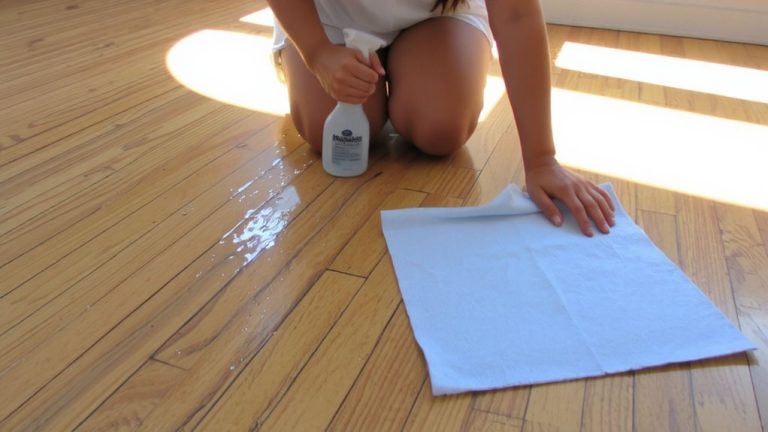
Wipe floors weekly with a microfiber mop and pH-neutral cleaner to prevent grime buildup, especially in dark, damp corners. Use Clorox Disinfecting Wipes (16.8 in x 8 in packs) for quick surface cleanups-they kill 99.9% of bacteria in 30 seconds. Tackle mold with hydrogen peroxide (3%), applied via spray bottle every two weeks. Testers note fewer pests, like fungus gnats, when drainage trays stay dry and leaf litter’s cleared monthly.