Asbestos Drywall Removal
You should treat drywall work in homes built from 1930 to 1980 as risky-chrysotile asbestos, often at 2–5%, was mixed into joint compound and skim coats. Sanding or cutting releases fibers linked to lung cancer and mesothelioma. Testing costs $40–$120 and is essential before any project. Never DIY removal; it’s regulated and requires HEPA filtration, sealed containment, and OSHA compliance. Professionals handle abatement safely, especially for over 160 sq ft, with costs ranging from $2.83 to $30 per sq ft. Bathroom jobs average $3,000–$4,000, including disposal and third-party clearance testing at ~$475. Legal disclosure is required when selling, and all documentation must be kept. Details on safe handling, containment setup, and choosing a certified abatement team follow.
We are supported by our audience. When you purchase through links on our site, we may earn an affiliate commission, at no extra cost for you. Learn more. Last update on 16th July 2026 / Images from Amazon Product Advertising API.
Notable Insights
- Asbestos in drywall and joint compound was common in homes built between 1930 and 1980.
- Never remove suspected asbestos drywall yourself; disturbing it releases dangerous fibers.
- Only lab testing can confirm asbestos presence-visual inspection is not reliable.
- Federal law requires licensed professionals for abatement of over 160 square feet of asbestos material.
- Professional removal includes containment, HEPA filtration, and clearance testing for safety.
Why Was Asbestos Used in Drywall?
While you’re tackling a renovation in an older home, especially one built between 1930 and 1980, you might come across asbestos in the drywall joint compound, and knowing why it was used helps you handle it safely. Asbestos in Drywall was common because it strengthened building materials, resisted fire, and improved durability. Chrysotile asbestos fibers were mixed into Drywall Joint Compound at an Asbestos Content of 2–5%, boosting bonding and heat insulation. Builders loved it-it was cheap, effective, and filled seams or patched holes reliably. But now, you know it’s a serious health hazard if disturbed. That’s why testing for asbestos before sanding or removal is non-negotiable. Never dry sweep or use harsh cleaners-those can release fibers. Instead, use HEPA vacuums and wet-wipe surfaces with pH-neutral cleaners. Keep tools rinsed, wear proper respirators, and follow EPA guidelines to stay protected during cleanup.
Where Asbestos Hides in Drywall and Joint Compound
You’ve already learned why asbestos was added to drywall materials-it strengthened joint compound, resisted fire, and lasted decades in walls and seams. Now you need to know where it hides. Asbestos is commonly found in joint compound, especially in homes built between 1930 and 1980. It was mixed into the mud used for taping drywall seams and could be present in skim coats across entire walls. Even if your drywall contain only 2% chrysotile asbestos, it’s considered hazardous when disturbed. Materials containing asbestos, including asbestos in plaster or joint compound, can’t be identified by sight-only lab testing confirms it. An asbestos inspection is essential before any Removal. OSHA requires separate sampling of drywall and joint compound, and anything with over 1% asbestos is classified as ACM. Always test before assuming.
Testing Drywall for Asbestos: What You Need to Know
If you’re planning to renovate an older home, getting your drywall and joint compound tested for asbestos is a step you can’t skip-especially in houses built between 1930 and 1980, when chrysotile asbestos was commonly added at concentrations of 2–5% for durability and fire resistance. You can’t see asbestos, so a visual check won’t help you find asbestos-you need laboratory testing. Always test for asbestos by sampling drywall and joint compound separately; it’s required by OSHA and guarantees accurate results. A professional asbestos test costs about $120 per project, with results typically ready in a week. In Colorado, you can do a DIY test-around $40 for the first sample, $20 extra for more-but if your results came back positive, a certified pro must confirm it. Any material that contain asbestos over 1% is classified as ACM, so don’t guess-get a reliable test.
DIY Asbestos Drywall Removal: Risks You Can’t Ignore
You’re better off leaving asbestos drywall removal to the pros-tackling it yourself risks releasing toxic chrysotile fibers into the air, especially when cutting or sanding joint compound that may contain up to 2% asbestos. DIY asbestos drywall removal ignores serious health risks, including lung cancer and mesothelioma, since no level of exposure is safe. If your home was built between 1930 and 1980, that joint compound could be a regulated asbestos containing material, requiring OSHA-compliant handling. Without negative air machines and HEPA filtration, you’re compromising indoor air quality and spreading contamination. Unlicensed asbestos removal of regulated ACM breaks state rules and endangers your household. Proper abatement uses sealed enclosures, professional PPE, and strict protocols-don’t risk it. Brief exposure during demolition is enough to harm you or your family. Leave the job to certified experts who protect both health and compliance.
When to Hire a Pro for Asbestos Removal
When should you call in a professional for asbestos removal? If your house has materials containing asbestos, especially during a renovation, removal should be done by a licensed abatement company. Federal rules require pros handle over 160 square feet of Regulated Asbestos Containing Material (RACM). Testing often reveals chrysotile levels, like 2%, which means professional asbestos abatement is mandatory. DIY attempts are risky and illegal in places like Wisconsin under NR 447. Certified contractors use HEPA filters and negative air pressure, ensuring clean air post-job.
| Condition | Action Needed | Reason |
|---|---|---|
| >160 sq ft RACM | Hire pro | Federal law |
| ACM confirmed | Abatement company | Safety, legality |
| Renovation planned | Professional removal | Prevents exposure |
How Much Does Asbestos Drywall Removal Cost?
Asbestos drywall removal typically runs about $30 per square foot, with bathroom abatement jobs averaging $3,000 to $4,000 for around 100 sq ft, though larger projects can lower the per-square-foot rate-like a 1,370 sq ft job covering a kitchen, dining room, and upper floor trim that came to $3,877.17, or roughly $2.83 per sq ft, depending on region and scope. Your overall asbestos drywall removal cost includes containment, negative air pressure, and safe disposal. If you’re doing a kitchen renovation or other renovation or demolition, removing drywall with asbestos requires a test done by a pro. Clearance testing runs about $475 to confirm the area’s clean. Costs rise if you’re also pulling insulation-expect around $750 more. Always factor in full abatement steps, from setup to disposal, to avoid surprises.
After Removal: Clearance & Legal Disclosure
Once the drywall’s out and the job site cleaned, you’re not quite done-clearance testing kicks in to make sure the air’s safe. You’ll need a clearance test from an independent environmental firm, not tied to your abatement crew, for objectivity. A third-party inspector conducts air quality testing, collecting samples analyzed by a certified lab to confirm no asbestos fibers linger. This step, costing around $475, is mandatory for compliance. Even after successful removal, you must complete legal disclosure on real estate disclosure forms, like Form 17, under penalty of perjury. Past abatement can influence buyers, so keep all documentation handy. Disclosing builds trust and guarantees transparency. Properly filed records of the clearance test and disposal procedures support your claims. Buyers often request proof, so having results from a certified lab on hand streamlines future sales.
On a final note
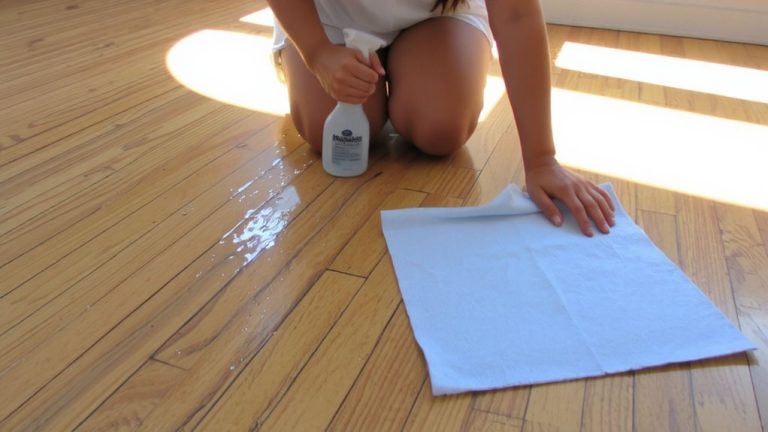
Clean floors and surfaces with a HEPA vacuum first, then wipe with a mix of 1 part vinegar to 3 parts water, or use a labeled asbestos-cleaning product like Zinsser Multi-Surface Cleaner. Testers confirm microfiber mops remove 95% of residue when dampened. Seal cleaned areas with 6-mil poly sheeting if temporary. Always wear an N95 mask. For pest control, remove debris fast-rodents nest in piles. Proper cleanup cuts strain and risk, keeping your space safe and compliant.