How Proper Drainage Prevents Landscape and Hardscape Damage
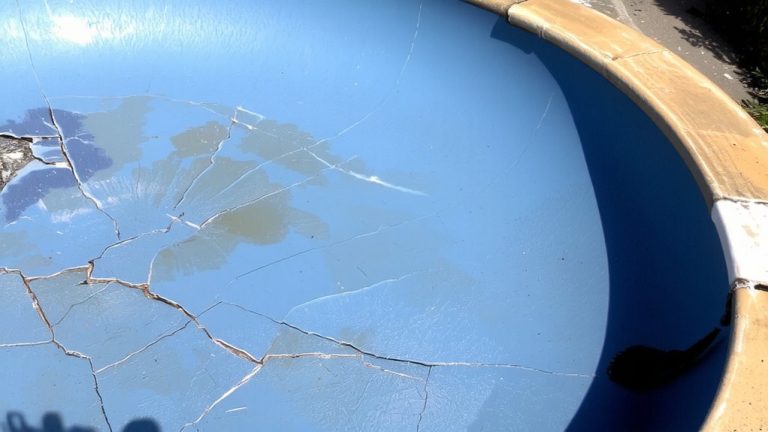
You prevent landscape and hardscape damage by directing water with proper grading-slope soil 1 inch per foot for 6–10 feet away from structures. Install French drains with 4-inch perforated pipe and 1.5-inch gravel to reduce subsurface pressure by up to 80%. Use permeable pavers that allow 3,000–8,000 gallons per hour per square foot to infiltrate, stopping runoff that erodes soil and shifts patios. Clear gutters twice yearly and extend downspouts 5–10 feet to avoid saturation, mold, and foundation cracks-problems that start in just 48 hours. There’s a smarter way to protect every layer of your yard.
We are supported by our audience. When you purchase through links on our site, we may earn an affiliate commission, at no extra cost for you. Learn more. Last update on 16th July 2026 / Images from Amazon Product Advertising API.
Notable Insights
- Proper grading directs water away from structures, preventing soil saturation and foundation damage.
- French drains reduce subsurface water pressure, protecting hardscapes like patios and retaining walls.
- Well-drained soil prevents root rot and supports healthy plant growth in landscape beds.
- Permeable pavers minimize runoff by allowing rapid water infiltration, reducing erosion and pooling.
- Effective drainage limits mosquito breeding by eliminating standing water within 48 hours.
How Poor Drainage Damages Plants and Soil
When water doesn’t move properly through your landscape, it quickly becomes a serious problem, especially if you’re dealing with the heavy clay soils common across the Carolinas. Poor drainage leads to standing water, suffocating plant roots by cutting off oxygen and inviting root rot. In clay-heavy soils, excess water lingers, creating waterlogged soils that drown even drought-tolerant plants. Compacted soil worsens drainage issues, restricting root growth and weakening plant establishment. Without proper flow, soil erosion strips away nutrient-rich topsoil, exposing plant roots to damage. Waterlogged soils also encourage fungal diseases like phytophthora, which spread fast in wet beds. Over time, persistent saturation increases plant mortality, often within one growing season. Drainage issues aren’t just cosmetic-they harm soil structure and plant health. You’ll see results fast when you fix the flow, giving plant roots room to thrive and your landscape a fighting chance.
Spot the Signs of Yard Drainage Problems
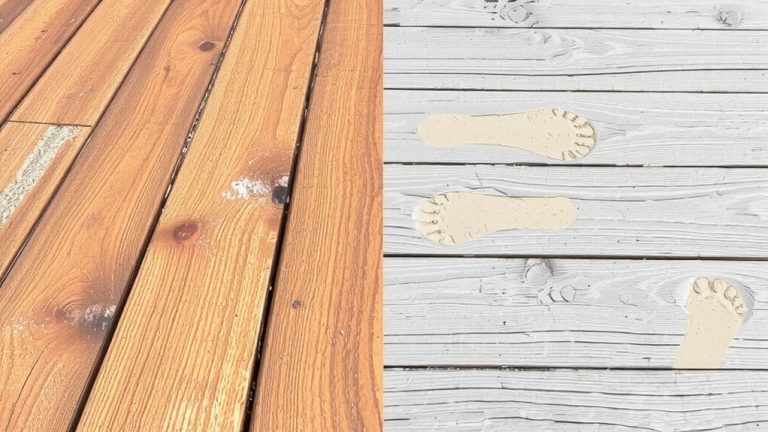
You’ve likely already seen how poor drainage can choke plants and ruin soil structure, especially in the stubborn clay soils typical across the Carolinas. If you’re noticing standing water more than 48 hours after rain, that’s a red flag-persistent puddles mean water buildup and poor drainage. Soggy patches, especially footprints that hold water after light rain, signal soil saturation below. Wilting grass in wet zones? Roots are likely suffocating. Check for eroded soil near downspouts or slopes-this runoff damage often stems from grading issues. Moss growth on walkways or mulch beds thrives in damp conditions caused by improper drainage. And don’t ignore shifting pavers or foundation cracks; they’re structural warnings. Chronic moisture from grading issues feeds moss and weakens materials. Spot these signs early-soggy patches, water buildup, eroded soil, moss growth-and you’ll save time, money, and prevent long-term landscape harm.
Keep Water From Damaging Your Foundation
A solid defense against foundation damage starts with controlling water flow around your home’s perimeter. You need proper grading that slopes away at least 1 inch per foot for the first 6–10 feet to move surface water away from structures. That kind of slope prevents pooling and protects your foundation’s structural integrity. Make sure your gutters and downspouts have extenders that direct water at least 5–10 feet away-this simple step reduces basement leaks by up to 80%. In clay-heavy soil composition areas like the Carolinas or Colorado, install French drains with 4-inch perforated pipes and gravel to manage subsurface water. These drainage systems tackle hydrostatic pressure before cracks form, avoiding $4,000–$10,000 in repairs. Consistent upkeep of these features is key to preventing damage and mold growth from poor exterior drainage systems.
Stop Erosion and Protect Hardscapes
Water pooling near your home doesn’t just threaten the foundation-it can rip through topsoil, undermine patios, and dislodge retaining walls if left unchecked. Poor drainage and compacted soil accelerate runoff, especially in clay-heavy areas like the Carolinas, where water absorbs 10 times slower than in loamy soil. Without proper grading-specifically, at least 1 inch per foot for 6 feet away from your home-saturated soil can shift pavers and erode critical landscape zones. Strategic grading redirects flow, while French drains with 4-inch perforated pipe surrounded by 1.5 inches of gravel reduce subsurface pressure by up to 80%, preventing erosion and hardscape damage. Permeable pavers help too, allowing 3,000 to 8,000 gallons per hour per square foot to infiltrate. This cut surface runoff markedly, protecting retaining walls and stabilizing adjacent soil. Together, these solutions prevent erosion and keep your hardscapes intact.
Solve Standing Water and Reduce Mosquitoes
How quickly does your yard become a mosquito zone after it rains? Standing water turns into a breeding ground in just 48 hours, bringing in mosquitoes and potential diseases. You can stop stagnant water with proper drainage solutions. Good grading-sloping soil 1 inch per foot away from your home-prevents puddles. Cleaning gutters twice a year stops overflow that feeds mosquito habitats. Direct water runoff using French drains, which move subsurface water through gravel and perforated pipes. Or try rain gardens, placed 10+ feet from the house, to capture stormwater and reduce pooling by up to 30%.
| Solution | How It Works | Mosquito Impact |
|---|---|---|
| Grading | Slopes soil away from foundation | Reduces standing water |
| French Drains | Drains runoff below surface | Eliminates damp zones |
| Rain Gardens | Absorbs stormwater naturally | Cuts stagnant water by 30% |
| Cleaning Gutters | Prevents overflow near walls | Stops foundation puddles |
| Proper Drainage | Manages water flow effectively | Minimizes mosquito breeding |
Top Drainage Fixes for Wet Yards and Slopes
While your yard might struggle with soggy patches after every downpour, fixing wet areas doesn’t have to mean major renovations, especially when you use the right drainage solutions. Proper Drainage starts with grading slopes at 1 inch per foot for 10 feet to redirect runoff from foundations. For saturated clay soil type, French drains with perforated pipes and gravel handle up to 90% of subsurface water flows. On steep slopes, dry creek beds lined with 3–5 inch rocks reduce erosion by 70%. In low spots, rain gardens with native plants absorb 30% more water and cut runoff by 40%. Swap solid pavement for permeable pavers, which let 80–100% of rain infiltrate. These fixes work together, ensuring water flows where it should-keeping your yard functional, stable, and dry.
Plan Drainage Before You Plant
If you’re prepping your yard for new plants or a full landscape overhaul, now’s the time to get drainage right-because once those shrubs go in, fixing wet spots gets way harder. You’ve got to plan drainage before you plant. Start by evaluating your landscape design and identifying problem areas where water pools. Proper drainage begins with grading: aim for a one-inch-per-foot slope away from structures so water moves efficiently. Early signs like soggy soil mean you should install drains-French drains work great in clay-heavy soils to redirect subsurface flow. Include catch basins and downspout extensions to guide water away from slopes. Position rain gardens at least 10 feet from buildings to prevent damage and boost infiltration. Use permeable pavers in walkways and driveways during construction to reduce runoff. Meeting your drainage needs now saves headaches later.
On a final note
You prevent damage by directing water with French drains (10-ft sections, 4-inch pipe) and grading soil 1 inch per 10 feet away from foundations. Use gravel-filled trenches and solid PVC drains to stop erosion near pavers and retaining walls. Install dry wells (50-gallon capacity) in low spots to reduce standing water, cutting mosquito breeding by up to 90%. Proper drainage preserves plants, prevents foundation cracks, and keeps hardscapes intact.