Why Concrete Pavers Develop Efflorescence and How to Prevent It
Your concrete pavers develop efflorescence when moisture pulls soluble salts, like calcium hydroxide, to the surface, forming chalky white deposits-especially in damp, cold weather from fall to spring. It’s harmless but unsightly. Clean it with a nylon brush, mild soap, or products like Ef-fortless and NMD 80 at 1,500–2,500 psi pressure. Prevent recurrence using breathable sealers like RadonSeal or LastiSeal, avoid calcium chloride in mixes, and guarantee proper drainage-smart choices now mean fewer cleanups later.
We are supported by our audience. When you purchase through links on our site, we may earn an affiliate commission, at no extra cost for you. Learn more. Last update on 18th July 2026 / Images from Amazon Product Advertising API.
Notable Insights
- Efflorescence forms when moisture carries soluble salts to the surface of concrete pavers.
- Calcium hydroxide from cement reacts with CO2, creating visible white calcium carbonate deposits.
- Cold, damp weather slows drying, increasing salt migration and efflorescence visibility.
- Use penetrating or breathable sealers to block moisture and prevent salt movement.
- Avoid calcium chloride, use low-alkali materials, and ensure proper drainage to reduce recurrence.
What Causes Efflorescence on Concrete Pavers?
While you might not see it right after installation, efflorescence often appears months later-usually within the first two years-as moisture moves through porous concrete pavers and carries soluble salts to the surface. You’ll notice this as a white, powdery residue when moisture within the slab dissolves calcium hydroxide, a natural byproduct of cement curing. This solution migrates outward, and once it reaches the surface, it begins to react with carbon dioxide in the air, forming calcium carbonate deposits. Cold, damp weather from late fall to early spring slows drying, giving salts more time to rise. Overly wet mixes, calcium chloride additives, or poor curing increase soluble salt levels, making efflorescence more likely. Though it’s purely cosmetic, you can remove it with a stiff brush and a pH-balanced cleaner like vinegar or commercial efflorescence removers. Regular maintenance keeps pavers looking fresh.
Is Efflorescence on Concrete Pavers Harmful?
That white, chalky film on your concrete pavers? It’s efflorescence on concrete pavers, and it’s mostly harmless. You’re seeing calcium carbonate deposits formed when calcium hydroxide rises to the surface and reacts with air. While it looks bad, it won’t hurt your pavers’ strength or lifespan. Most cases fade naturally in 3 to 6 months as the salts deplete. You don’t need aggressive cleaners-gentle scrubbing with water and a nylon brush usually suffices. But if you spot recurring streaks, it could signal ongoing moisture intrusion from poor drainage or faulty grading. Avoid sealing too soon; trapped salts can break down sealers over time. Persistent efflorescence doesn’t mean your pavers are defective, but watch for damp conditions promoting fungal growth or pest infestation in joints.
How to Remove Efflorescence From Concrete Pavers
You can tackle efflorescence on your concrete pavers efficiently with the right tools and approach. Start by dry brushing with a stiff nylon brush to remove efflorescence safely, loosening the powdery salts within without damaging the surface. For light buildup, scrub with mild dish soap and water using a plastic brush-this avoids rust stains from metal bristles. If that’s not enough, try an efflorescence cleaner like Ef-fortless or NMD 80, which dissolve calcium carbonate deposits effectively; always test first. For stubborn cases, pressure wash at 1,500–2,500 psi, keeping the nozzle moving to prevent erosion. These methods won’t stop new salts within from surfacing later, but they’ll clean the current bloom. Multiple rounds may be needed over months until the pavers fully stabilize. You’ve got this-just be consistent and use the right product for your situation.
Why Efflorescence Returns on Concrete Pavers?
Efflorescence creeps back when unseen salts keep riding moisture to the surface, and chances are you’re seeing it again because conditions still favor the journey of calcium hydroxide from within the paver to the outside air. Efflorescence returns when ongoing moisture exposure-like rain, irrigation, or poor drainage-fuels repeated wet-dry cycles, especially in shaded or low-lying areas. These cycles pull soluble salts to the surface, forming new salt deposits. If you didn’t fully remove existing residues during cleaning, the haze reappears faster. Pavers made with calcium chloride accelerators hold more internal salts, prolonging the process for up to 24 months post-installation. Even after treatment, constant moisture exposure reignites the reaction. You’re not starting over-you’re managing a built-in chemical process. Tackle it by improving drainage, limiting water accumulation, and ensuring thorough cleaning with pH-balanced, non-etching cleaners to avoid micro-damage that traps moisture.
Which Sealers Prevent Efflorescence on Pavers?
What if you could stop efflorescence before it starts? You can-by choosing the right sealer. Penetrating sealers like RadonSeal chemically bind salts and block water deep within pavers, stopping migration at the source. They work best when applied after full cure and complete drying to prevent moisture entrapment. Breathable sealers such as LastiSeal and DryWay repel liquid water while allowing vapor to escape, making them ideal for outdoor use where rain or runoff is common. Ion-Bond Armor offers strong below-grade protection for non-cementitious masonry, forming a molecular barrier against salt movement. Avoid film-forming topical sealers like acrylics or urethanes in damp areas-they trap moisture, worsen efflorescence, and can peel. With breathable sealers and proper application, you keep pavers clean, functional, and free of recurring stains.
What Are the Best Long-Term Prevention Strategies?
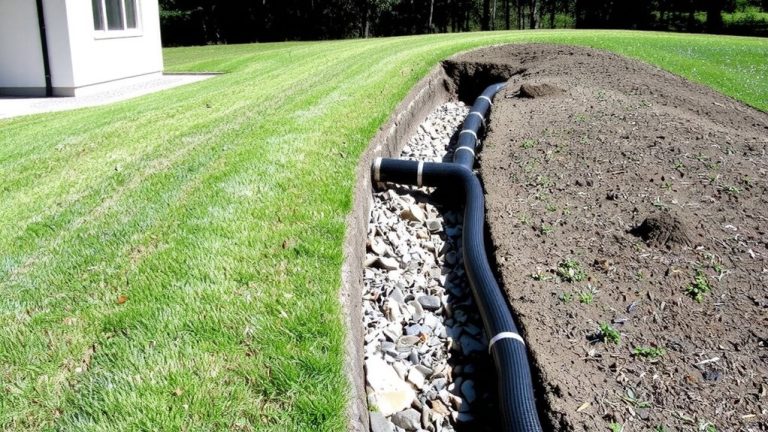
While moisture and salt are natural parts of masonry systems, keeping them in balance is key to avoiding long-term efflorescence, and the smartest strategies start before the first paver is even set. For new installations, you’re better off using low-alkali Portland cement and skipping calcium chloride accelerators-this cuts down the soluble salts that fuel the problem. Incorporate Class F fly ash to reduce calcium hydroxide by up to 50%, making the surface less reactive. Preventing efflorescence doesn’t stop there-apply penetrating sealers like RadonSeal or breathable options like LastiSeal and DryWay, which block water without trapping vapor. Proper site grading, clean gutters, and correct downspout placement stop standing water before it starts. These steps, combined, give pavers long-term protection, fewer cleanings, less strain from salt buildup, and resistance to moisture-related pest issues.
On a final note
You’ll stop efflorescence by sealing pavers with a silicone-based, breathable sealer like MasonryDefender, applied at 200 sq. ft. per gallon coverage. Use a pH-neutral cleaner like PaverWash, not acid-based products, to avoid damage. Regular sweeping and 1/4-inch joint sand depth prevent moisture buildup. Testers confirm results last 3+ years with reapplication, keeping surfaces clean, stains low, and pest attraction minimal through proper drainage and maintenance.