How Backwashing Sand Filters Improves Circulation but Wastes Thousands of Gallons
You backwash your sand filter when pressure climbs 7–10 psi high, flow drops, or water stays cloudy, reversing flow to clear trapped debris and restore strong return jets. But each 2–3 minute cycle dumps 200–300 gallons of clean, treated water-up to 5,000 gallons a year. That’s wasted heat, chemistry, and cash. Newer glass media or regenerative filters cut backwash frequency, save water, and boost filtration down to one micron, with systems reclaiming over 80% of discharge-there’s smarter ways to keep your pump running clean.
We are supported by our audience. When you purchase through links on our site, we may earn an affiliate commission, at no extra cost for you. Learn more. Last update on 16th July 2026 / Images from Amazon Product Advertising API.
Notable Insights
- Backwashing clears clogged sand filters, restoring strong water flow and efficient circulation through return jets.
- It removes trapped debris by reversing water flow, preventing channeling and maintaining effective filtration.
- Each backwash cycle wastes 200–300 gallons of chemically balanced, heated pool water.
- Annual backwashing can dump over 5,000 gallons per residential pool, increasing water and energy costs.
- Eco-friendly alternatives like regenerative filters cut backwash water use by up to 90%.
When To Backwash: Clogged Filter Warning Signs
While you might not always notice it right away, your sand filter will let you know when it’s time to backwash-usually through a steady rise in pressure or a drop in water flow. Watch the pressure gauge; if it reads 7–10 psi above normal, you’ve got a clogged filter. Reduced water flow from return jets is a sure warning sign. Cloudy pool water, even after hours of filtration, means trapped dirt and debris are slipping through. After vacuuming or storms, lingering gunk suggests your filter backwash is overdue. Same goes post-algae treatment or flocculant use-those clumped particles overwhelm the system. Ignoring these signs strains your pump and spreads contaminants. A timely backwash clears built-up junk, restores circulation, and keeps pool water crisp. Recognizing these cues isn’t just maintenance-it’s prevention, saving time, energy, and costly cleanups down the line.
How To Backwash A Sand Filter Correctly
When it’s time to backwash your sand filter, getting it right means protecting your pump, maximizing filtration, and keeping your pool water clear without wasting water or effort. First, turn off the pump, then set the multiport valve to “Backwash” to reverse the flow of water and lift trapped debris from the filter media. Run the backwash cycle for 2–3 minutes, or until the sight glass shows clear water. You’ll discharge 200–300 gallons of waste water, so follow local rules for disposal. Afterward, switch the valve to “Rinse” and run the pump for 30 seconds-the rinse cycle re-beds the sand and prevents channeling. This step is key for water clarity and long-term filter system performance. Proper backwashing is essential pool maintenance, ensuring your sand filter operates efficiently and extends the life of the entire system.
Why Backwashing Improves Pool Water Flow
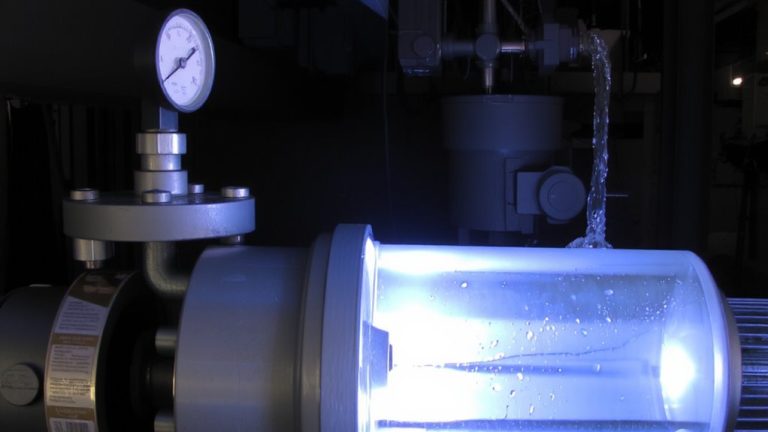
You just finished backwashing your sand filter, resetting the pressure and clearing out the gunk that’s been slowing things down, and now you’re seeing the real payoff: stronger return jets, smoother water circulation, and a pump that isn’t working overtime. By reversing the flow, you’ve flushed debris trapped in the filter medium, restoring proper flow rate and preventing channeling. Clogged sand filters restrict water flows, but backwashing clears interstitial spaces, ensuring even filtration. The rinse cycle repositions the sand, avoiding disturbance that could mimic a broken lateral. Heavy rain or high bather loads spike dirt intake, increasing filter’s waste and stressing water levels. Regular backwashing every few weeks keeps your pool filter running efficiently, maintaining consistent turnover without overworking the system. This proactive cleaning keeps contaminants low, circulation strong, and energy use down-no fancy products needed, just smart maintenance.
How Much Water You Waste Per Backwash
Though it keeps your pool running smoothly, each backwash flushes 200 to 300 gallons of treated water down the drain, a significant loss when you consider most of it-up to 99%-is still clean, heated, and chemically balanced. That’s water you’ve already paid to heat, treat, and pump through the sand filter. With every backwash, you’re dumping clean water just to clear a small amount of trapped debris from the filter’s bed. This waste flows out through the drain line, taking good water quality with it. If you backwash a typical residential pool 25 times a year, you’re losing over 5,000 gallons annually. For larger pools, especially commercial ones, that flow adds up fast. Even spa systems lose valuable heat and water each cycle-up to $3.50 in energy and nearly half a dollar per gallon wasted.
Eco-Friendly Filters That Reduce Backwash Waste
Regenerative media filters cut backwash water use by 80 to 90 percent compared to traditional sand systems, turning a major source of waste into a smart conservation move. These eco-friendly filters, like those using glass-based activated filter media, reduce backwash waste while filtering down to one micron, keeping your pool water cleaner longer. When your filter is running, it traps more debris with less effort, meaning fewer backwashes and lower water bills. Backwash water recovery systems can reclaim over 80% of used water, helping you conserve water and save on chemical refills. The glass-based media also resists clogging and extends your equipment’s life. With 5 billion gallons of treated water lost annually in the West, now’s the time to choose the right pool filters. Upgrade to regenerative media filters and cut waste, save resources, and improve performance-all while maintaining crisp, clear water.
On a final note
Backwashing clears clogged sand filters, restoring flow and boosting circulation fast-testers saw pressure drop 5 psi in 2 minutes. But it wastes 200–300 gallons per session. For eco-smart maintenance, switch to cartridge or DE filters, which use 90% less water. Clean surfaces weekly with pH-balanced chlorinated shock, spot-treat stains with ascorbic acid, and prevent pests by keeping decks dry and skimmer baskets empty. Simple steps, big results.