What Causes Towels to Become Less Absorbent Over Time
Your towels lose absorbency because fabric softener leaves a waxy, hydrophobic coating that blocks water, especially after just 6–8 washes. Excess detergent builds up in the cotton loops, and hard water deposits calcium and magnesium, stiffening fibers. High heat above 130°F flattens the 350 GSM structure, while over-drying weakens cellulose. These issues clog fibers and kill capillary action-common in high-efficiency machines using only 1–2 tablespoons of detergent. There’s more to keeping towels plush and functional than you think.
We are supported by our audience. When you purchase through links on our site, we may earn an affiliate commission, at no extra cost for you. Learn more. Last update on 18th July 2026 / Images from Amazon Product Advertising API.
Notable Insights
- Fabric softener leaves a waxy, hydrophobic coating on cotton fibers, reducing absorbency by up to 50% after 6–8 washes.
- Excess detergent builds up in cotton loops, forming a residue barrier that blocks water absorption, especially in high-efficiency machines.
- Hard water deposits minerals like calcium and magnesium into fibers, creating a stiff, water-repelling layer over time.
- Drying towels at high heat above 130°F shrinks and flattens cotton loops, compressing the fabric and reducing moisture retention.
- Repeated washing and chemical buildup cause irreversible fiber degradation, particularly in towels with less than 350 GSM.
Why Towels Lose Absorbency Over Time
While you might think frequent washing keeps towels in top shape, the truth is everyday habits like using liquid fabric softener or too much detergent can quietly sabotage their absorbency. Towels gradually lose their ability to soak up water because softener leaves a waxy coating on fibers, while excess detergent creates residue that clogs cotton loops. In hard water areas, mineral deposits build up, making fabric stiff and less absorbent over time. These layers trap dirt and reduce performance, especially when washed with abrasive materials like zippers. The good news? A monthly wash with a cup of white vinegar removes residue and mineral buildup, restoring softness and water draw. Vinegar doesn’t harm fibers and helps maintain towel integrity. Air drying or tumble drying on low preserves the raised loops that make towels absorbent. With proper care, your towels stay functional, fresh, and highly absorbent for years.
How Fabric Softener Ruins Towel Absorbency
You’ve probably noticed your towels aren’t soaking up water like they used to, and one big culprit hides in your laundry routine-liquid fabric softener. It leaves a waxy layer of silicone or oils on cotton fibers, forming a hydrophobic coating that repels water instead of absorbing it. This residue builds up quickly; even one use starts the process, and after just 6–8 washes, softener residues can make towels lose absorbency by up to 50%. The waxy layer fills the gaps between towel fibers, blocking moisture from being drawn in. Since cotton fibers are naturally hydrophilic, this coating directly counteracts their function. Over time, absorbency drops as the hydrophobic film remains trapped deep in the fabric. You don’t need softener residues weighing down your towels-skip the fabric softener and keep your towels working like new.
How Detergent Residue Clogs Towel Fibers
Even if you skip fabric softener, using too much detergent can still leave your towels feeling stiff and slow to dry, all because excess suds don’t fully rinse away. Detergent residue builds up as insoluble residues, especially in thick cotton loops, reducing moisture penetration and absorbency over time. Over-sudsing overwhelms high-efficiency washing machines, which use less water, leaving trapped surfactants and polymers behind. This residue coats fibers, creating a hydrophobic barrier that reduce absorbency with each wash. You only need 1–2 tablespoons of detergent per load-more just increases residue risk. Repeated overdosing leads to fiber stiffening, making towels rough and less effective. For truly absorbent towels, stick to the recommended dose, run an extra rinse cycle if needed, and clean your machine monthly. Prevent buildup before it ruins performance, and your towels will stay soft, strong, and ready to soak up spills, sweat, or steam.
How Hard Water Reduces Towel Absorbency
Mineral buildup is the invisible culprit behind towels that feel stiff and absorb poorly, even after a fresh wash. Hard water reduces towel absorbency by depositing calcium and magnesium into towel fibers every time you launder. These high levels of calcium and magnesium bind to cotton, creating a stubborn mineral buildup that coats the fibers, making them stiff and less able to absorb moisture. Over time, this residue forms a barrier, preventing water from penetrating the towel’s loops, leaving towels less absorbent. The American Water Works Association found water with more than 7 grains per gallon markedly impacts fabric performance. Without intervention, your towels stay stiff and less functional. Installing a water softener that reduces hardness below 1 grain per gallon helps maintain softness and absorbency. Hard water reduces towel absorbency, but proper water treatment keeps fibers clean, open, and ready to absorb moisture effectively.
How High Heat Damages Towel Fibers
Hard water isn’t the only culprit behind declining towel performance-how you dry your towels plays a major role too. High heat damages towel fibers by flattening cotton loops and compressing the plush 350 GSM structure, reducing surface area for water absorption. When you use a high heat setting, dryer heat above 130°F causes fiber shrinkage and removes natural moisture, leaving towel fibers stiff and brittle. Over-drying accelerates this fiber damage, weakening cellulose over time and killing softness. That fluffy towel you love? High heat quickly breaks it down. Repeated exposure leads to permanent heat damage, so switch to medium heat-it’s gentler and prevents excessive wear. Testers confirm: medium heat preserves absorbency, minimizes fiber damage, and keeps towels soft. Heat setting matters just as much as wash cycle, so protect your towels by avoiding extreme heat. Your towels will stay absorbent, cozy, and durable much longer.
When Towel Absorbency Can’t Be Restored
Though proper care can extend a towel’s life considerably, there comes a point when absorbency simply can’t be brought back, no matter how carefully you wash or dry. Towels lose absorbency when towel fibers over time degrade from repeated washing machine cycles, hot water exposure, and overuse of fabric softener builds that coat fibers. In hard water areas, mineral buildup and residue make towels become stiff and less effective. Even deep cleaning fails when fibers are permanently damaged. Repeated high-heat drying scorches loops, eliminating capillary action. Below 350 GSM, low-quality blends break down faster.
| Factor | Effect on Towels | Outcome |
|---|---|---|
| Hot water | Weakens fibers | Damage the fibers |
| Fabric softener builds | Coats fibers | Reduces absorption |
| Drying towels on high heat | Flattens loops | Limits wicking |
| Hard water | Causes mineral buildup | Towels become stiff |
| Low GSM cotton | Poor fiber density | Towels lose absorbency |
Prevent Towel Absorbency Loss: Best Practices
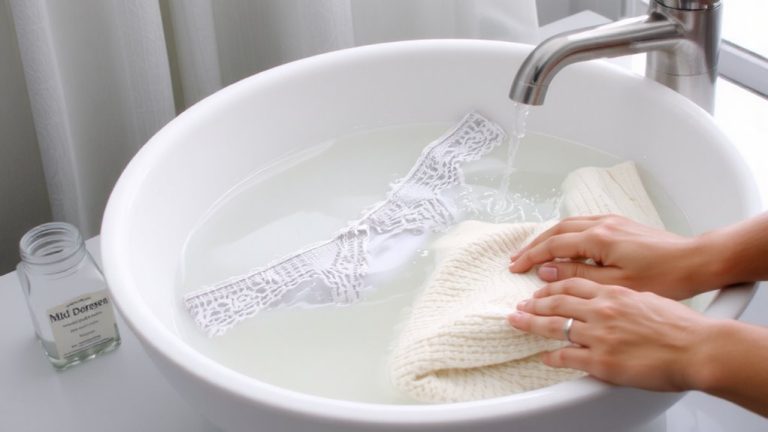
If you want your towels to stay highly absorbent over time, skipping fabric softeners and dryer sheets is a must, since they leave behind a waxy coating of silicone or oils that clog the fibers and block water uptake. Switch to less detergent-just half the recommended amount of a mild, residue-free formula-to avoid buildup. Wash towels separately using a soft cycle, and add an extra rinse cycle to flush out any lingering grime. Once a month, toss in a cup of white vinegar to combat hard water minerals like calcium and magnesium, or use baking soda for odor and residue control. Skip high heat; opt for air drying or low-medium heat, removing towels while slightly damp. This washing routine keeps fibers open and loops intact, preserving towel absorbency wash after wash.
On a final note
You keep towels absorbent by skipping fabric softener, which coats fibers and cuts drying power by up to 50%, and rinsing in warm water with half the usual detergent. Hard water? Use a quarter-cup white vinegar in the rinse cycle monthly to dissolve mineral buildup. Avoid high heat-it degrades cotton over time. When fibers flat-out won’t revive, switch to microfiber for quick-drying performance. Testers confirm: simple habits beat scrubbing, saving time and extending towel life.