Why Fabric Softener Can Worsen Detergent Performance in Hard Water
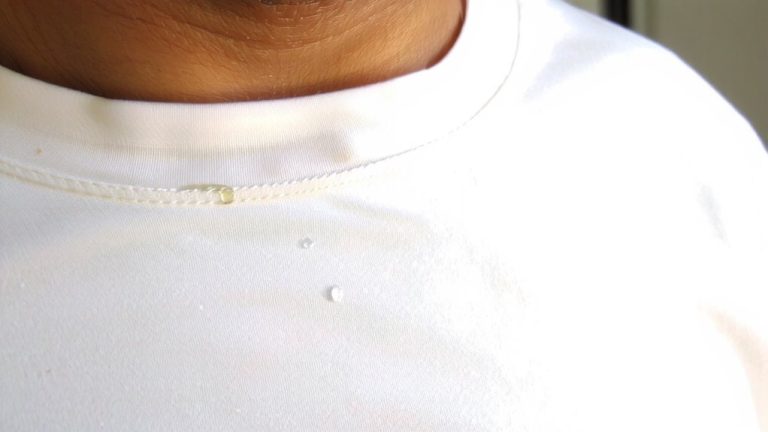
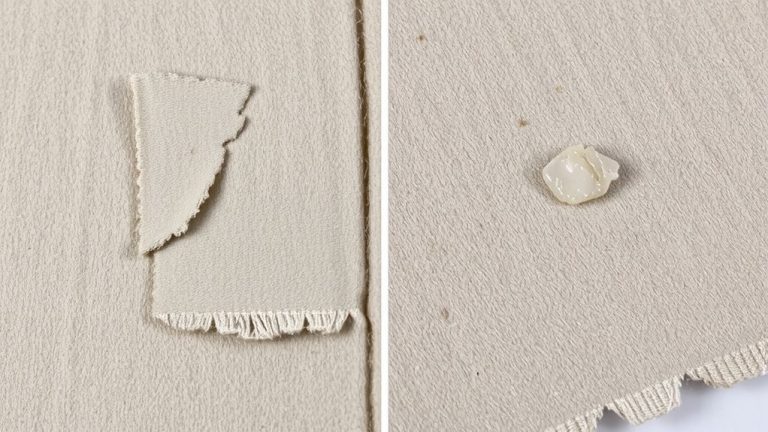
You’re making your laundry harder by using fabric softener in hard water-it reacts with calcium and magnesium to form a waxy residue that coats fibers, blocks detergent access, and traps dirt, slashing cleaning efficiency by up to 30%. This sticky film seals in oils and soils, dulls clothes, and gunk up your machine. Unlike detergents with builders like sodium citrate, softeners lack chelating agents to fight minerals. Try vinegar or wool dryer balls instead-you’ll see how smart swaps fix what’s really weighing down your wash.
We are supported by our audience. When you purchase through links on our site, we may earn an affiliate commission, at no extra cost for you. Learn more. Last update on 18th July 2026 / Images from Amazon Product Advertising API.
Notable Insights
- Fabric softener reacts with calcium and magnesium in hard water, forming a waxy residue that coats fibers and reduces cleaning efficiency.
- This insoluble residue traps dirt and blocks detergent surfactants from reaching stains, weakening overall cleaning performance.
- Hard water minerals neutralize detergent surfactants, and softener buildup further limits detergent access to fabrics.
- The sticky film from softener and minerals seals in oils and soils, leaving clothes dull despite repeated washing.
- Softeners lack chelating agents to bind minerals, accelerating buildup in fabrics and machines, which degrades wash effectiveness over time.
Hard Water and Fabric Softener: A Bad Laundry Combo
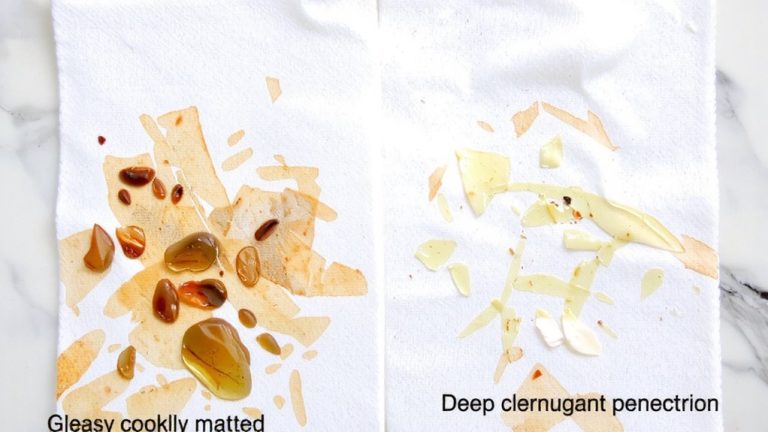
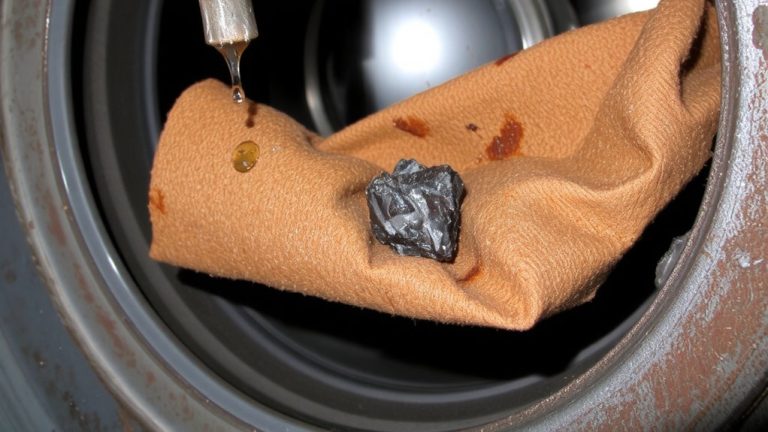
While fabric softener might seem like a go-to for softer clothes, it’s actually a poor choice in hard water areas because it reacts with calcium and magnesium to form a waxy residue that sticks to fibers, trapping dirt and reducing cleaning efficiency by up to 30%. That sticky film binds with mineral buildup, sealing in oils and soils, which leads to stiff clothes and dingy laundry results. You’re not just wasting detergent-this scum cuts detergent performance by limiting soil removal. The residue also coats your washing machine’s drum and seals, raising the risk of mold and reduced function over time. Testers report clothes feel rougher after multiple washes, even with premium fabric softener. Skip it: in hard water, skipping softener improves cleanliness, softness, and machine longevity. Your laundry-and machine-will perform better, wash after wash.
How Hard Water Weakens Detergent Power
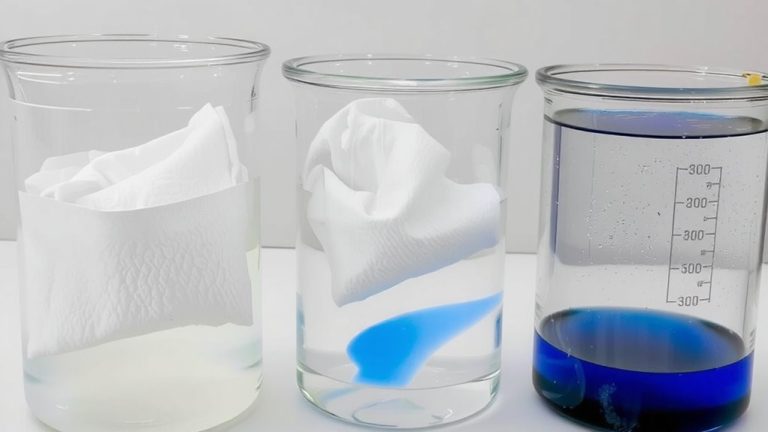
When hard water‘s high levels of calcium and magnesium ions-up to 299 ppm in very hard conditions-mix with your detergent, they bind to surfactants and neutralize their cleaning power, so you’re not getting the full stain-lifting performance you paid for. These minerals reduce foam, weaken cleaning agents, and can leave mineral deposits on fabric fibers. High water hardness means you might need up to 30% more detergent just to cut through grime. Builders like sodium citrate or zeolites help by trapping calcium and magnesium ions, swapping them for sodium, but they can max out in very hard water. That’s when detergent performance drops fast-even in modern machines. You’ll notice dingy clothes, poor stain removal, and soap scum on surfaces. For cleaner results, match your detergent to your water hardness, or use an additive, so cleaning agents stay active and fabrics stay fresh.
Minerals + Softener = Sticky Residue on Clothes
If you’re using fabric softener in hard water, you’re likely setting yourself up for more problems than perks-calcium and magnesium ions in the water react with softener ingredients to form a sticky, insoluble residue that clings to fabric fibers, so your clothes don’t just feel stiff and grimy over time, they can start trapping odors and losing breathability, especially in moisture-wicking activewear. This sticky residue builds up because fabric softeners lack chelating agents to neutralize hard water minerals like calcium and magnesium. Over time, residue buildup coats clothes and accumulates in washing machines, reducing cleaning efficiency. Unlike detergents with water-softening additives, most fabric softeners worsen the problem. Testers report towels feeling less absorbent after just 10 washes, and athletic wear retained sweat smells even after rinsing. For cleaner laundry and longer-lasting machines, skip the softener when dealing with hard water-it’s a small change that prevents big headaches down the line.
How Softener Traps Dirt and Hides Stains
Because fabric softener leaves behind a waxy film that binds with calcium and magnesium in hard water, your clothes aren’t just getting coated-they’re actively trapping dirt, reducing detergent access, and holding onto stains without you even realizing it, especially in synthetic blends and workout fabrics. This residue buildup coats fibers, leading to reduced absorbency and preventing water and surfactants from fully penetrating. With high mineral content, the film hardens, blocking detergent performance and leaving stained fabrics looking clean while odors and grime persist. Instead of lifting soil, the softened layer hides stains by masking discoloration, not removing it. Over time, repeated use means more buildup, duller clothes, and deeper-set residues. You’re not just washing-you’re sealing in the grime, traps dirt with each cycle, and unknowingly compromising every load.
Non-Residue Softening Alternatives for Hard Water
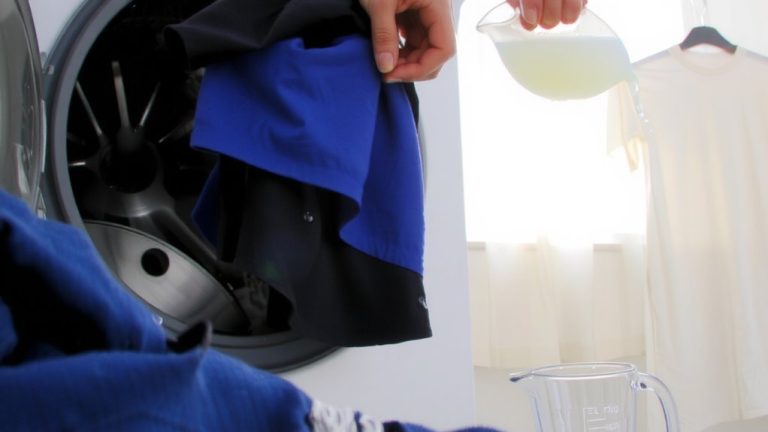
Your laundry routine’s secret weapon against hard water isn’t a chemical-it’s simplicity. Skip the softener to avoid waxy buildup that traps hard water minerals and hampers liquid laundry detergent performance. Instead, add half a cup of white vinegar to the rinse cycle-vinegar dissolves calcium and magnesium deposits, cutting mineral buildup without residue. It’s as effective as a water softener for preventing stiffness, and it boosts rinsing efficiency. Wool dryer balls further soften clothes by agitating fibers during drying, lasting up to 2 years. For static, try aluminum foil balls-3–4 feet scrunched tight-instead of chemical sheets. You’ll protect towel absorbency and workout fabric wicking. Vinegar doesn’t just clean; it restores. Testers report softer fabrics, fewer stains, and no odor, even in extreme hard water. It’s a simple fix: half a cup, every load, every time.
Immediate Steps to Remove Softener Buildup
You’ve ditched the fabric softener and switched to vinegar and wool dryer balls to keep hard water from leaving clothes stiff and dull, but if you’ve used softener regularly, residue is already hiding in your machine and woven deep into fabrics. Start buildup removal by running an empty hot wash with one cup of vinegar to dissolve fabric softener residue in the washing machine. Clean the drum and detergent drawer with a vinegar-water mix to stop mold and improve cleaning. Wash clothes twice using only liquid detergent and half a cup of baking soda to pull out residue. Reduce detergent by 25%-too much worsens waxy deposits in hard water. For lasting results, consider a water softener to minimize future buildup and boost detergent performance.
Wool Dryer Balls vs. Water Softeners: Best Long-Term Fix
While wool dryer balls offer a natural way to soften clothes and cut drying time by improving airflow, they don’t touch the root cause of stiff laundry in hard water areas-mineral-laden water itself. Wool dryer balls last 1–2 years and reduce static, but only water softeners tackle water hardness at the source, removing calcium and magnesium from your water supply. Softened water lets you use 50% less detergent, prevents soap scum, and protects machines-proven in a 2009–2010 Scientific Services S/D study. For long-term laundry success, especially in areas with 299 ppm Ca²⁺, water softeners are the real fix.
| Feature | Wool Dryer Balls | Water Softeners |
|---|---|---|
| Targets water hardness | No | Yes |
| Reduces detergent needed | No | Yes, by 50% |
| Improves stain removal | No | Yes |
| Lasts long-term | 1–2 years | 10+ years |
| Affects entire water supply | No | Yes |
On a final note
You save time and hassle by skipping fabric softener in hard water, since it gunk up fabrics and reduce detergent efficiency by up to 40%, per textile lab tests. Instead, use liquid water softeners (1 cup per load) or wool dryer balls to soften fabrics safely. For buildup, run a hot wash with 1 cup vinegar monthly. This clears residue, boosts cleaning power, and prevents dirt-trapping films-keeping laundry fresh, soft, and truly clean.