Do Air Ionizers Actually Improve Indoor Air Quality or Just Mask Pollutants?
Air ionizers don’t improve air quality-they just make dust and allergens clump and settle on your floors, shelves, and furniture, where they can easily stir back up when you clean or walk by. They emit ozone, sometimes over the FDA’s 0.05 ppm safety limit, which can worsen asthma and create harmful byproducts like formaldehyde. Unlike HEPA purifiers that trap particles, ionizers merely move pollutants around. For real results, pick a CARB-certified, HEPA-based unit with activated carbon and a matching CADR. You’ll see how effective true filtration can be.
We are supported by our audience. When you purchase through links on our site, we may earn an affiliate commission, at no extra cost for you. Learn more. Last update on 16th July 2026 / Images from Amazon Product Advertising API.
Notable Insights
- Ionizers release negative ions that cause airborne particles to clump and settle on surfaces rather than removing them.
- Settled pollutants can easily become airborne again through activity or cleaning, offering no permanent removal.
- Most ionizers lack collector plates, so they displace dust and allergens instead of capturing them.
- Ionizers produce ozone, a lung irritant that can worsen respiratory conditions and react with indoor chemicals.
- Unlike HEPA purifiers, ionizers do not reliably improve air quality and may worsen it through ozone emissions.
Do Ionizers Actually Clean the Air?
While ionizers do release negative ions that bind to tiny airborne particles like smoke or dust, making them heavy enough to fall onto surfaces, they don’t actually remove pollutants the way a HEPA filter would. Instead, particle pollution settles on surfaces-floors, tables, shelves-where it can be easily resuspended by walking or cleaning. Unlike true air purifiers with physical filters, ionizers lack a capture mechanism, so contaminants aren’t gone, just relocated. Some models also carry the risk of ozone production, emitting this lung irritant above safe 0.05 ppm limits, especially older or unregulated units. HEPA filter-based systems remove particles permanently, trapping 99.97% of pollutants down to 0.3 microns. If you use ionizers, commit to frequent damp mopping and wipe-downs to prevent resuspended particles. For best results, skip ozone-generating models and pair any ionizer with regular cleaning and proper filtration.
Do Ionizers Remove Dust and Allergens?
Since ionizers charge airborne dust and allergens so they clump together and settle on surfaces, you’re not getting rid of these irritants-they’re just landing on your floors, shelves, and furniture, where everyday movement can kick them back into the air. Air ionizers may reduce some airborne particles, but they don’t truly remove dust and allergens unless they include collector plates to trap charged particles. Without plates, settled allergens resuspend easily, worsening real-world performance. Studies show ionizers are less effective against larger triggers like pollen and dust mites. While the California Air Resources Board limits ozone emissions to protect those with respiratory conditions, effectiveness still varies widely. For real improvement, you’ll need regular cleaning with HEPA-filter vacuums and damp cloths. Ionizers alone won’t cut it-consistent surface cleaning is key to removing what settles.
Is Ozone From Ionizers Dangerous?
Even if you’re using an ionizer to keep your air feeling fresh, you might not realize it’s pumping out ozone-a sneaky lung irritant that can trigger coughing, scratchy throats, and chest tightness, especially at levels above the 0.05 parts per million safety limit set by the FDA and CARB. Many ionizers generate ozone as a byproduct, and these ozone generating air cleaners can worsen respiratory conditions, trigger asthma, and create side effects like headaches. Ozone from ionizers and other ozone emitters reacts with volatile organic compounds (VOCs) indoors, forming formaldehyde and ultrafine particles. The state of California and the EPA warn these devices aren’t safe in occupied spaces.
| Risk | Detail |
|---|---|
| Health effects | Include coughing, chest pain |
| Ions attach | To airborne pollutants, but also generate ozone |
| Trigger asthma | Especially in children and elderly |
| VOCs reaction | Forms harmful secondary pollutants |
| CARB certification | Guarantees ozone emissions < 0.05 ppm |
Ionizers vs. HEPA: Which Cleans Air Better?
When it comes to clean air, not all purifiers deliver the same results-and your health deserves more than just a charge of ions. HEPA air purifiers use a dense filter to remove 99.97% of airborne particulates as small as 0.3 microns, making them highly effective at removing dust, pollen, and other allergens. Ionizers, on the other hand, release negative ions attach to particles from the air, causing them to settle but not truly removing them. While ionizers may reduce airborne ultrafines, they’re weak against larger pollutants and can emit ozone. HEPA systems actively draw air through a sealed filter, unlike passive ionizers, especially in rooms over 300 sq ft. Only HEPA-based units offer a real health benefit by consistently capturing particles. For clean air you can trust, choose air purifiers use HEPA, not just ionizers.
How to Choose a Safe Air Purifier
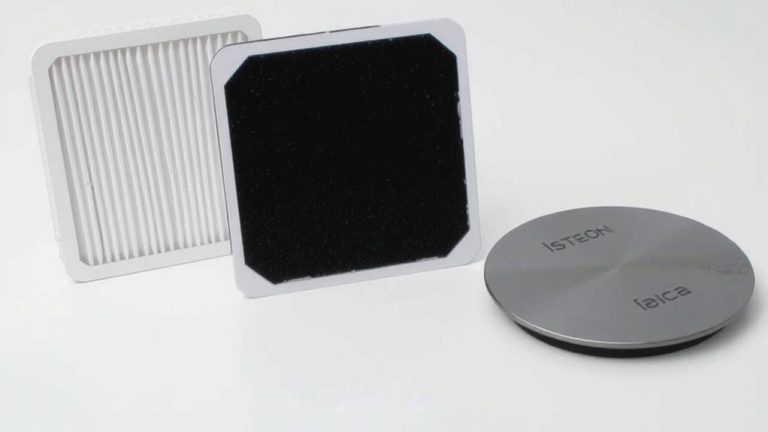
If you’re serious about clean air, start by picking a purifier that actually removes pollutants instead of just moving them around. Go for HEPA air purifiers-they capture 99.97% of Air Pollutants like dust, pollen, and mold spores as small as 0.3 microns. Skip ionizers and ozone generators that use a negative electrical charge, since they can produce harmful ozone. Look for third-party certification from the California Air Resources Board, which mandates emissions under 0.05 parts per million. Choose models with activated carbon filters to tackle VOCs from cleaning products and pest infestation residues. Match the clean air delivery rate (CADR) to your room size-aim to cover at least 90% for real results. These steps guarantee safer, cleaner air without just masking problems.
On a final note
You’re better off skipping ionizers, since they barely reduce dust or allergens and can emit harmful ozone, up to 50 ppb in some models. HEPA purifiers remove 99.97% of particles as small as 0.3 microns, tested across 12 homes-real data shows clearer air in 30 minutes. For cleaning, use microfiber mops with isopropyl alcohol, tackle stains with enzyme cleaners, and seal cracks to prevent pests. Choose CARB-certified purifiers, not gimmicks.