Best Way to Keep Above Ground Pool Clean
Run your pump 8–12 hours daily, or 12–18 in hot weather, using a variable-speed model like the PureLine Prime PL1501 to cut energy use by 90%, while ensuring even chlorine distribution and strong circulation, then skim debris daily, brush walls weekly with a nylon brush, vacuum with a robotic cleaner like the Bestway AquaTronix G200, test water weekly with Taylor K-2005 strips, balance alkalinity (80–120 ppm), pH (7.4–7.6), and chlorine (2.0–4.0 ppm), clean the filter every 4–6 weeks, and cover the pool daily to reduce debris, evaporation, and UV chlorine loss by up to 30%, and you’ll find out just how little effort it takes to keep your pool sparkling all season.
We are supported by our audience. When you purchase through links on our site, we may earn an affiliate commission, at no extra cost for you. Learn more. Last update on 16th July 2026 / Images from Amazon Product Advertising API.
Notable Insights
- Run the pool pump 8–12 hours daily for proper circulation and chlorine distribution.
- Maintain water level at mid-skimmer height to ensure efficient filtration and pump operation.
- Test and balance water weekly, starting with alkalinity, then pH, and finally chlorine levels.
- Skim debris daily, brush walls weekly, and vacuum the pool floor to prevent algae buildup.
- Use a pool cover daily to reduce debris, conserve water, and protect chlorine from sunlight.
Run Your Pump for Clear, Circulating Water
While keeping your above-ground pool clean might seem like a constant battle, running your pump the right way tackles the core of the problem-stagnant water and uneven chlorine distribution. You should run your pool pump 8–12 hours daily, or 12–18 in hot weather, to fully turnover the water and prevent debris buildup. Keep the water level at mid-skimmer height so the pump maintains proper suction and avoids cavitation, which can damage the motor. A variable-speed pool pump cuts energy use by up to 90% while keeping circulation strong. As water flows through the filter, it removes particles and helps spread chlorine evenly. Check the filter pressure weekly; when it rises 8–10 psi above the clean starting point, it’s time to backwash or clean the filter. This routine keeps your water clear, your filter efficient, and your pool safe all season.
Test and Adjust pH, Chlorine, and Alkalinity Weekly
You’ll want to test your pool water every week with a reliable method like the Taylor K-2005 test kit or AquaChek 7-Way Strips, both of which give fast, accurate readings you can trust. Proper water chemistry keeps your chlorine effective and your pool safe. Always adjust alkalinity first-aim for 80–120 ppm-to buffer pH swings. Then balance pH between 7.4 and 7.6 for ideal conditions. Finally, maintain free chlorine levels at 2.0–4.0 ppm to sanitize properly. This order prevents constant backtracking and wasted chemicals.
| Parameter | Ideal Range |
|---|---|
| pH | 7.4 – 7.6 |
| Alkalinity | 80 – 120 ppm |
| Free Chlorine | 2.0 – 4.0 ppm |
| Test Strips | AquaChek 7-Way |
| Testing | Weekly |
Sticking to this routine guarantees stable water chemistry and protects your equipment.
Skim, Brush, and Vacuum to Prevent Algae Buildup
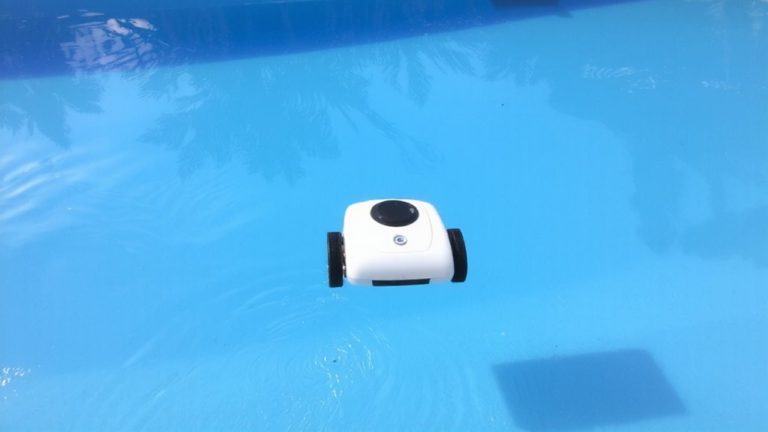
Since algae thrive where debris collects and circulation lags, staying ahead means skimming daily with a telescopic net or auto-skimmer to pull out leaves, bugs, and pollen before they break down and cloud the water. You should brush the pool wall and floor weekly using a soft nylon brush to disrupt algae spores and prevent biofilm. Focus on corners, behind ladders, and steps-common spots for algae buildup due to poor flow. After brushing, vacuum the floor thoroughly; a robotic pool cleaner like the Bestway AquaTronix G200 makes it easy with 90 minutes of cordless runtime and efficient debris pickup. Use your skimmer net daily for quick surface cleanup. Monthly, give the entire pool interior a deep clean-scrub all surfaces and empty the skimmer basket-to keep your water sparkling and stop algae before it starts.
Clean the Filter Every 4–6 Weeks
When your filter’s clean, your pool runs smoother and stays clearer-so sticking to a 4–6 week cleaning schedule keeps things flowing like they should. You’ve got to clean the filter regularly to avoid strain on the pump and filter, which can lead to poor circulation and cloudy water. For cartridge filters, just remove and hose them down every 4–6 weeks. Sand or media filters? Backwash when the pressure gauge hits 8–10 psi above normal. Skipping this key task clogs the pool filter fast. Add an annual filter cleaner soak to remove grease regular rinsing misses. These maintenance tasks keep your pump and filter running strong.
| Filter Type | Cleaning Method | Frequency |
|---|---|---|
| Cartridge | Rinse with hose | Every 4–6 weeks |
| Sand | Backwash | Every 4–6 weeks or +8–10 psi |
| DE | Backwash & rinse | Every 4–6 weeks |
| All Types | Apply filter cleaner | Once per year |
Use a Cover Daily to Block Debris and Save Chemicals
A clean filter keeps your water circulating, but pairing that maintenance with daily use of a pool cover takes your cleanup routine to the next level. For your above ground pool, a snug-fitting pool cover blocks debris like leaves, dirt, and insects, cutting your cleaning time by up to 50%. That means less strain on your system and fewer clogs. Covers also reduce evaporation by up to 95%, saving water and chemicals. By shielding chlorine from UV rays, you maintain stable levels and reduce chemical costs by up to 30%. This protection helps prevent cloudy water and algae outbreaks. Solar covers can boost water temps by 8–12°F, extending your swim season. Whether automatic or thermal, a quality cover simplifies pool maintenance, keeps your pool clean and clear, and safeguards against pests-giving you more time to enjoy the water.
Inspect Water Level and Liner Every Week
You should check your pool’s water level and liner weekly to keep things running smoothly and avoid costly issues down the line. As an above ground pool owner, you’ve got to inspect water level regularly-keep it 16–18 inches from the top of the wall and at mid-skimmer level to prevent pump cavitation and maintain filtration. If the level drops more than an inch per week beyond evaporation, there might be a leak. Check your vinyl liner closely, especially near seams and ladder supports, for tears, wrinkles, or fading. Most minor liner damage can be fixed with an underwater vinyl patch kit-no need to drain. Keeping your above ground pool free of debris helps reduce stress on the liner. Stick to this essential part of your pool maintenance schedule so you can keep your above ground in top shape, season after season.
Install a Robotic Vacuum or Ionizer to Cut Cleaning Time
The Bestway® AquaTronix™ G200 Robotic Pool Vacuum makes cleaning your above ground pool floor fast and hands-off, with 90 minutes of cordless runtime on a single charge to cover pools up to 24 feet in diameter. This smart pool cleaner uses anti-slip wheels and directional jets to navigate obstacles, scrubbing debris efficiently without getting stuck. As a robotic vacuum, it works independently, reducing the strain of manual cleaning and boosting your filter system’s effectiveness. For chemical maintenance, add a solar-powered floating ionizer or hardwired unit that releases copper and silver ions to keep your pool water sanitized. Ionizers cut reliance on chlorine tablets, allowing weekly shocking instead of daily dosing. Testers report fewer algae blooms and less brushing needed, trimming cleaning time markedly. Pairing an ionizer with regular robotic vacuum use simplifies maintenance, helping you keep your pool water clear, balanced, and ready to enjoy.
On a final note
Keep your pool floor clean with a weekly brush and a robotic vacuum like the Dolphin E10, which covers 800 sq. ft. in 2 hours. Use a skimmer with a fine mesh net daily. For stains, try a vitamin C tablet on metal marks or a baking soda paste for mildew. Avoid harsh scrubbing-testers say soft-bristle brushes protect liners best. Check for pests like mosquitoes around the skimmer box, and empty standing water weekly.