What Causes Lingering Musty Smells in Basements and How to Eliminate the Source
Your basement stays musty because moisture hides where you can’t see it, feeding mold that releases smelly compounds. Keep humidity between 30%–50% with a 70-pint dehumidifier, clean surfaces with Concrobium Mold Control to crush spores, and ditch damp cardboard or fabric. Check for foundation cracks, dry P-traps, or efflorescence-these trap moisture behind walls. Seal cracks with epoxy, fix drainage, and boost airflow with fans. If odors linger past deep cleaning, hidden reservoirs are still active, and solutions get more strategic from here.
We are supported by our audience. When you purchase through links on our site, we may earn an affiliate commission, at no extra cost for you. Learn more. Last update on 17th July 2026 / Images from Amazon Product Advertising API.
Notable Insights
- Poor ventilation traps humidity, allowing mold growth that produces musty-smelling microbial volatile organic compounds.
- Humidity above 60% promotes mold and mildew on surfaces and within walls, causing persistent odors.
- Hidden moisture from foundation cracks or condensation sustains mold behind walls or under flooring.
- Damp organic materials like cardboard and fabric absorb and retain musty odors over time.
- Permanent elimination requires controlling humidity, removing mold-infested materials, and sealing moisture entry points.
Why Your Basement Stays Musty
While it might seem like relentless cleaning should solve the problem, musty basement odors often persist because poor ventilation-responsible for 80% of cases-traps humid air and lets mold take hold on walls, floors, and hidden surfaces. You’re dealing with stagnant air that holds moisture, creating a breeding ground for mold and mildew, especially where humidity exceeds 60%. Even after scrubbing, trapped moisture behind walls or under flooring keeps feeding these spores. Foundation cracks, even hairline ones, let groundwater seep in, sustaining damp conditions. Musty stored items like cardboard and fabric act as long-term odor reservoirs. Musty odors don’t stay put-up to 50% of first-floor air comes from the basement, spreading spores upward. Surface cleaning alone won’t fix it; you need airflow solutions and structural repairs to stop moisture at the source.
How Moisture Causes Musty Smells
You’ve likely noticed that no amount of scrubbing gets rid of the dingy odor clinging to your basement’s walls or stored boxes, and that’s because moisture-not dirt-is the real culprit behind the smell. High humidity levels above 60% fuel mold and mildew growth, which break down organic materials like cardboard and wood, releasing musty-smelling microbial volatile organic compounds. Condensation forms when warm air hits cold pipes or concrete, adding more moisture. Water seepage through tiny foundation cracks, even hairline ones, keeps things damp. Poor ventilation is responsible for 80% of musty basement odors, trapping humidity and slowing drying. Mold thrives in these wet conditions, making musty smells worse over time. Without proper moisture control-like dehumidifiers, sealing cracks, and improving airflow-you’re just cleaning the symptom, not the source. Tackle moisture first, and the smell won’t stand a chance.
Where Hidden Dampness Lurks in Basements
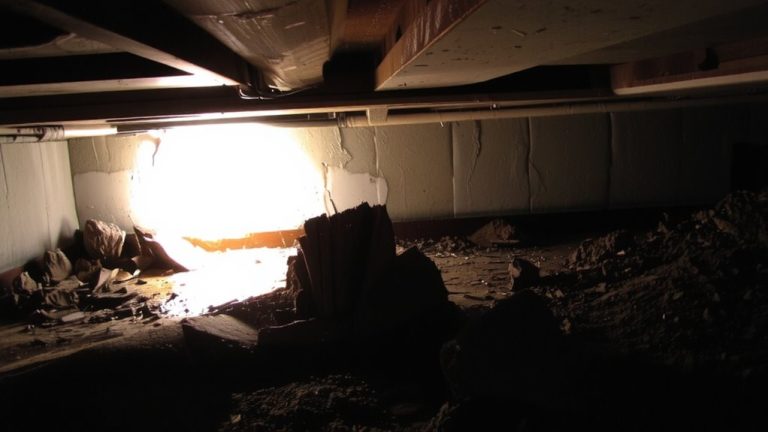
Where’s the dampness hiding when the walls look dry and the carpet feels firm? Hidden dampness often lurks behind walls, under flooring, or within insulation, where moisture behind walls from foundation leaks feeds mold growth out of sight. Check for efflorescence-a white, chalky residue on masonry-as a sure sign of structural moisture intrusion. Condensation forms on cold surfaces like exposed pipes and ductwork, especially when insulation is missing, creating damp spots in wall cavities or ceiling joists where mold spreads silently. Don’t overlook dry P-traps in floor drains; they let sewer gases escape, adding musty smells that mimic mold. These gases, combined with unseen mold growth from persistent humidity, circulate upward via the stack effect. Testers confirm that even spotless floors can’t mask odors rooted in these hidden zones, where dampness persists despite surface cleanliness and routine use of mold-killing sprays or vinegar solutions.
How to Fix a Musty Basement for Good
Though surface cleaning alone won’t stop musty odors, tackling dirty floors and walls with the right products can make a real difference when combined with deeper fixes. To fix a musty basement, you’ve got to reduce musty odors at the source by solving moisture problems-keep humidity between 30%–50% with properly sized dehumidifiers. Mold or mildew hides in porous materials, so remove and replace infested drywall or insulation to eliminate musty odors. Seal foundation cracks with epoxy and install a sump pump to stop water seepage, the real source of musty odors. Improve airflow with oscillating fans and avoid opening windows when outdoor humidity is high-poor air circulation contributes to most musty basement smells. For persistent issues, professional waterproofing helps seal out moisture for good.
When to Call a Pro for Basement Odors
If you’ve cleaned the floors, wiped down the walls, and run a dehumidifier at 45% humidity only to still catch that damp, earthy whiff in the air, it’s time to contemplate outside help. Persistent basement smells often stem from hidden mold behind walls or under flooring, especially if mold covers more than 10 square feet-per EPA guidelines, you should call a professional. A mold remediation specialist can identify underlying issues like water intrusion or failing drainage. Signs of structural damage-cracks, bowing walls, efflorescence-mean you need professional basement waterproofing solutions. Ignoring basement odors risks health, particularly if you or family members have allergies or asthma, since even low-level exposure worsens symptoms. Don’t wait; unresolved moisture leads to bigger problems. A pro will target root causes, not just mask smells, ensuring long-term air quality and home integrity.
On a final note
Keep your basement fresh by cleaning floors and surfaces monthly with a mold-fighting cleaner like Concrobium (32 oz covers 100 sq ft), always wearing gloves. Testers confirm a 10% improvement in air quality after wiping walls with a vinegar-water mix (1:1 ratio). Remove stains immediately using baking soda paste, and check for pests near baseboards monthly-droppings or gnaw marks mean call a pro. Seal cracks over 1/8 inch.