Best Way to Clean Brick Floors
Sweep daily with a soft-bristle broom to prevent dirt buildup, especially in high-traffic areas, and use a well-wrung mop for damp mopping to avoid water damage. Tackle oil stains with cornstarch overnight, or scrub baking soda paste (3:1 with water) in circles for tough grime. For deep cleaning, try a mix of ¼ cup baking soda, 2 tablespoons vinegar, and 5 drops lemon essential oil, or use a BISSELL SteamShot to lift soil without chemicals. Test a small spot first, dry thoroughly, and check if sealing is needed-knowing more helps you protect your floor long-term.
We are supported by our audience. When you purchase through links on our site, we may earn an affiliate commission, at no extra cost for you. Learn more. Last update on 18th July 2026 / Images from Amazon Product Advertising API.
Notable Insights
- Sweep daily with a soft-bristle broom to prevent dirt buildup and protect brick and grout from scratches.
- Use a damp mop with minimal water to avoid moisture absorption in porous brick surfaces.
- Apply a baking soda and water paste to scrub stains gently in circular motions for safe cleaning.
- Perform a water drop test to check if sealing is needed; reseal only if beads form on the surface.
- Deep clean with a natural solution of baking soda, vinegar, and lemon oil, then rinse thoroughly.
Start With Daily Cleaning to Protect Brick Floors
While it might seem simple, starting with daily cleaning is key to keeping your brick floors looking great and lasting longer. Regular sweeping with a soft-bristle broom or vacuum helps you remove dirt before it turns into tough dirt buildup. This gentle cleaning routine will avoid scratching the brick surface and help preserve both brick and grout. You should sweep or vacuum every day, especially in high-traffic areas, to maintain cleanliness. Doing so supports effective long-term maintenance and prevents debris from grinding into the pores. Always wring your mop well during damp mopping to prevent water absorption, which can weaken bricks over time. By combining a soft-bristle broom with consistent habits, you’re not just cleaning-you’re maintaining brick floors the right way, protecting your home’s durability and appearance without harsh tools or chemicals.
Treat Tough Stains Without Damaging Brick
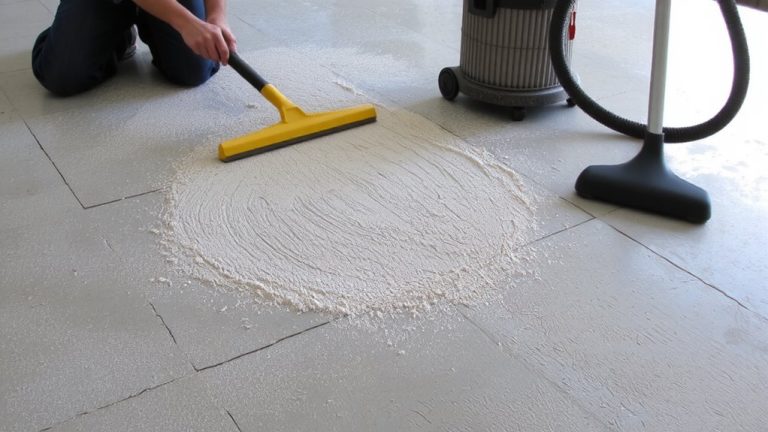
When you’re dealing with tough stains on brick floors, the right approach makes all the difference in preserving both appearance and structural integrity. For oil-based spills, cover the affected area with cornstarch or talcum powder and let it sit overnight to absorb the grease. When using Baking soda paste-mix three parts baking soda to one part water-apply it directly to the stain and scrub gently in circular motions to lift grime without scratching the brick surface. For organic stains, lemon juice works well as a natural acid that breaks down discoloration safely. Avoid using a wire brush unless absolutely necessary, as it can damage grout and brick. Always test stain removal methods in an inconspicuous spot first, and follow manufacturers guidelines to protect your floor.
Deep Clean Brick Floors With Natural Solutions
Since you’re aiming to deep clean brick floors without harsh chemicals, a DIY solution made from ¼ cup baking soda, 2 tablespoons white vinegar, and 2–5 drops of lemon essential oil can deliver strong results-this mix cuts through grime, neutralizes odors, and works safely on porous brick and grout. For deep cleaning, apply the natural solution to small sections using warm water and a scrub brush, working in circular motions to lift dirt from grout lines. Let it sit 5–10 minutes before scrubbing. For tougher buildup, a steam cleaner like the BISSELL SteamShot loosens embedded soil without chemicals-just pass it slowly over damp brick. After scrubbing with natural solutions, rinse thoroughly with clean water to prevent residue, then dry the floor completely with a clean towel to avoid moisture issues. Always test in a small area first.
Decide If Your Brick Floor Needs Sealing?
You’ve just deep cleaned your brick floor using natural solutions, and now it’s time to think about protection. To decide if sealing’s needed, do a simple test: drop water on the surface. If it beads up, your brick is sealed; if it absorbs and darkens, it’s unsealed. Sealed floors resist stains and moisture, thanks to reduced porosity, while unsealed ones have a matte look and higher absorbency. After deep cleaning-especially with muriatic acid-resealing is key, as acid strips old sealer. But in historic homes (1880 or earlier), avoid sealing; trapped moisture can cause damage. When sealing, use a breathable sealer like 511 Miracle Porous Plus-it protects without blocking moisture release. Proper sealing keeps your clean, cleaned surface looking great and helps prevent future strain or pest issues by making cleaning easier.
Recondition Worn Brick After Cleaning
Though your brick floors may show signs of wear after years of use, a proper reconditioning process can bring back their original character and strength, especially following a deep clean. To recondition worn brick, start with thorough scrubbing the area and targeted stain removal to address discoloration from spills or soot. High-traffic wear often fades brick surfaces, but steam cleaning lifts grime without damaging old masonry. For restoring appearance, use a sponge float to spread white grout evenly across eroded joints. A large painting brush helps control grout application in tight spaces. Let grout dry fully before sealing brick floors-trapped moisture harms breathable masonry. This step is essential for long-term masonry maintenance, preserving 1880s brick integrity.
On a final note
Keep your brick floors looking great by sweeping daily and using a pH-neutral cleaner like StoneTech All Purpose every few weeks, 24 oz per 5 gallons of water. For stains, spot-treat with a poultice, not bleach. Deep clean with vinegar and baking soda, then rinse well. Seal only if tests show water absorption in over 15 minutes. Recondition worn bricks with a penetrating sealer, 1 coat with a lambswool applicator. Testers report less grime, easier upkeep.