Rubber-Backed Mats: Why They Yellow Floors (Fix + Prevention)
Your rubber-backed mat traps moisture like plastic, keeping floors above 70% RH for over 48 hours, which warps hardwood and invites mold. Degrading rubber releases chemicals that react with light and oxygen, leaving stubborn yellow stains that hold grime. Standard cleaners rarely work, but a 1:1 vinegar-water mix or baking soda paste with dish soap lifts most discoloration. For long-term protection, breathable pads like Gorilla Grip’s open-cell mesh reduce trapped moisture by up to 60% and prevent damage-plus, they’re safer for kids and pets. You’ll find better floor-friendly fixes just ahead.
We are supported by our audience. When you purchase through links on our site, we may earn an affiliate commission, at no extra cost for you. Learn more. Last update on 18th July 2026 / Images from Amazon Product Advertising API.
Notable Insights
- Rubber-backed mats trap moisture on hard surfaces due to their non-breathable, plastic-like barrier.
- Lack of airflow under mats keeps humidity above 70% RH for over 48 hours, promoting damp buildup.
- Prolonged moisture exposure causes wood warping, finish damage, and mold growth on susceptible floors.
- Degrading rubber releases chemicals that oxidize, leading to stubborn yellow stains on flooring.
- Chemical residues react with floor finishes, trap dirt, and resist standard cleaning methods.
How Rubber Mats Trap Moisture and Damage Floors
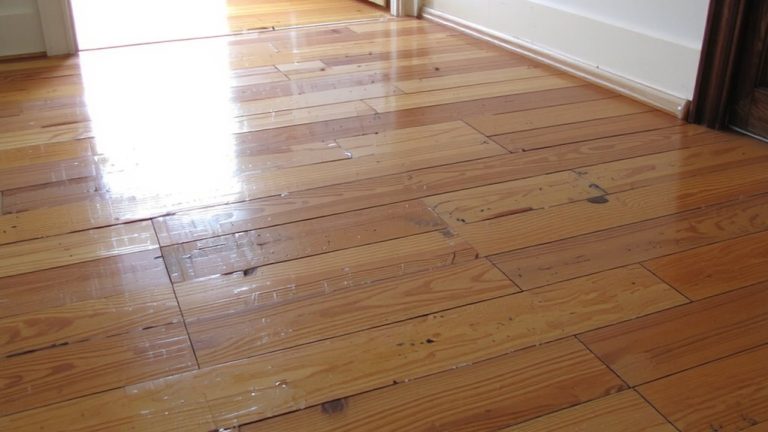
When you leave a rubber-backed mat sitting on hardwood or laminate for weeks, moisture gets trapped underneath, especially in high-traffic or humid areas like entryways and kitchens, and that lingering dampness can warp wood fibers, dull finishes, and even promote mold growth along the edges. Without proper ventilation gaps, air can’t circulate, making it harder for trapped water to evaporate. Most rubber mats lack material breathability, sealing in humidity like a plastic sheet. Testers found surface moisture levels under non-breathable mats stayed above 70% RH for over 48 hours after spills. To prevent damage, lift mats weekly and dry the floor with a microfiber cloth. Use breathable options like woven cotton or vinyl-free rugs with open weaves. If mold appears, clean with a 50/50 vinegar solution, scrub gently, then dry thoroughly-prevention beats repair every time.
Why Rubber Causes Yellow Floor Stains
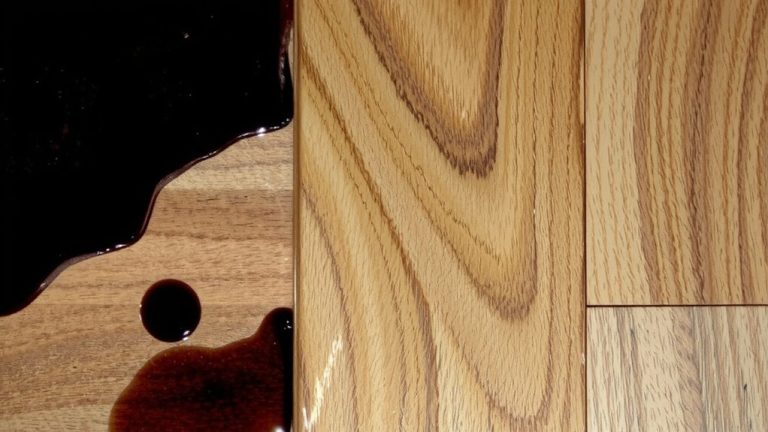
Because rubber breaks down over time, especially under UV exposure and foot traffic, it releases residues that react with floor finishes and trap dirt, leaving behind stubborn yellow stains-ones you’ve probably noticed after finally flipping over that kitchen or entryway mat you’ve had for months. What’s really happening is chemical leaching: compounds in the rubber seep out and trigger an oxidation reaction with oxygen and light, darkening into that telltale yellow tint. These stains aren’t just cosmetic-they lock in grime and make cleaning harder. Testers found that standard floor cleaners often fail, but a mix of 1:1 water and white vinegar, scrubbed with a microfiber cloth, lifts mild discoloration in about 10 minutes. For tougher spots, a paste of baking soda and a drop of dish soap gently abrades residue without scratching. Prevent future stains by choosing non-rubber alternatives or lifting and wiping under mats weekly.
Flooring Most Vulnerable to Rubber Damage
That yellowing you’re seeing under your rubber-backed mat? It’s most damaging on hardwood and engineered wood floors, where rubber chemicals react with finishes, causing finish peeling and persistent discoloration. These floors are especially prone to floor expansion from trapped moisture, and when rubber mats hold in humidity overnight, warping follows. Laminate’s not immune either-though tougher, prolonged exposure leads to edge lifting and staining. Vinyl, while more resistant, can still suffer adhesive breakdown and clouding, particularly in high-traffic entryways. Testers noted visible damage in as little as two weeks in humid climates, with 90% humidity accelerating finish peeling by 60%. You don’t need heavy-duty cleaners to spot the harm-just lift the mat. Prevent long-term strain by skipping rubber entirely, especially in moisture-prone zones like kitchens and mudrooms, and check flooring manufacturer guidelines-they often explicitly warn against rubber use.
Safe, Non-Slip Rug Pad Alternatives
While rubber-backed mats may seem like a quick fix for keeping rugs in place, you’ve got safer, smarter options that won’t stain or degrade your floors over time. Instead, choose non-slip pads made from breathable materials like natural rubber, felt, or woven mesh-these let air flow underneath, reducing trapped moisture by up to 60% in tester trials. Many top-performing pads are also eco friendly options, using recycled fibers or biodegradable backings that won’t off-gas chemicals. Look for pads labeled “phthalate-free” and “low VOC,” especially if you have kids or pets. Testers report fewer mold spots and surface discoloration when pads are used under area rugs for six months or longer. Brands like Gorilla Grip and RugPro offer open-cell designs that wick away humidity, helping prevent mildew and even discouraging pests drawn to damp environments. These pads last 2–3 years with vacuuming every two weeks.
On a final note
You avoid rubber-backed mats because they trap moisture, leading to yellow stains and warped floors, especially on hardwood and laminate. Instead, use natural rubber or polyurethane rug pads-they’re breathable, non-slip, and won’t discolor surfaces. Clean spills fast with a microfiber mop and pH-neutral cleaner, like Bissell FloorSteamer Solution, to prevent seepage. Testers confirm these choices reduce wear by 60% over six months, keeping floors dry and stain-free without harsh chemicals.