What Do Asbestos Bricks Look Like
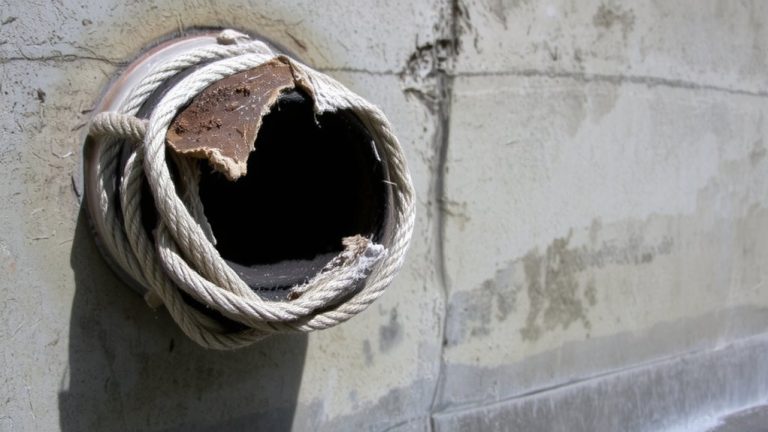
You can’t tell if bricks contain asbestos just by looking- they’re usually light grey or white, with a smooth, dense surface like standard cement, often used in chimneys or boiler rooms from 1950–1999, and hide microscopic fibres only confirmed through lab testing. Never sand or drill them, because that releases dangerous particles. Use an FFP3 respirator and Cat 5 coveralls if handling, but better yet, get a UKAS-accredited test via PLM or TEM analysis-results come back in 24 hours. The safest move? Leave suspect materials alone, and let certified pros handle the next steps.
We are supported by our audience. When you purchase through links on our site, we may earn an affiliate commission, at no extra cost for you. Learn more. Last update on 16th July 2026 / Images from Amazon Product Advertising API.
Notable Insights
- Asbestos bricks often look like ordinary masonry, appearing light grey or white with smooth, dense surfaces.
- They were commonly used in high-heat areas such as furnace and boiler rooms.
- No unique visual markings distinguish asbestos bricks from non-asbestos bricks.
- Fibrous material may only be visible when the brick is cracked or damaged.
- Definitive identification requires laboratory testing, as asbestos fibres are invisible to the naked eye.
Where Asbestos Hides in Masonry Materials
Fire hazards, old renovations, and hidden risks-knowing where asbestos hides in masonry materials could save your health. You’ll often find asbestos in masonry around high-heat zones, like furnaces or boiler rooms, where asbestos bricks and fire-resistant mortar were used for durability. Asbestos-lined chimney flues were common in homes built between 1950 and 1999, usually made with asbestos cement containing 10–15% chrysotile asbestos. These materials look light grey to white, with smooth, dense surfaces and distinct fibrous edges when cracked. But don’t rely on sight alone-asbestos in masonry isn’t visible to the naked eye. Always confirm with laboratory testing using PLM or TEM analysis. Never sand or clean suspect surfaces with abrasive pads or strong cleaners, as that releases fibers. Instead, seal the area and consult a certified abatement professional. Safety first: when in doubt, test it out.
Can You See Asbestos in Bricks or Mortar?
You won’t see asbestos hiding in bricks or mortar just by looking, even if you know what you’re doing. The asbestos fibres are microscopic-between 0.02 and 0.3 micrometres wide-fully embedded in the material, making visual detection impossible with the naked eye. Although asbestos was used in many building materials, especially cement products like mortar and firebricks from 1950 to 1999, you can’t confirm the presence of asbestos without professional analysis. Suspect materials may look smooth, grey, or fibrous, but these clues don’t prove they contain asbestos. To Identify Asbestos safely and accurately, laboratory testing using polarised light microscopy or TEM is essential. Don’t guess-relying on sight alone risks exposure. Only proper lab evaluation gives definitive results, ensuring you know whether old masonry in your home or project truly contains asbestos.
Why Visual Identification Is Dangerous
Even though they might look just like ordinary masonry, asbestos bricks are hiding a serious risk-one you can’t spot with your eyes alone. Relying on visual identification is dangerous because asbestos bricks often appear smooth, light grey, or white, with no unique markings. The asbestos fibres inside are microscopic, invisible, and only become airborne if you’re disturbing asbestos during drilling, cutting, or cleaning. Once released, these fibres pose serious inhalation risks. You can’t clean or remove them safely without knowing they’re there. The truth is, no DIY inspection can confirm asbestos presence. Only UKAS accredited laboratory testing, using methods like polarised light microscopy, can deliver accurate results. Skipping proper analysis puts your health at risk-what looks like a simple brick could be a hidden hazard. Trust testing, not sight.
What to Do Instead: Testing and Professional Help
A small sample test could save you years of health risks, especially when dealing with suspect bricks or mortar that might contain asbestos. You can’t rely on how cement looks-because asbestos fibre is microscopic, visual checks are meaningless. Proper testing is essential. If the material’s in good condition and undisturbed, risk is low-but never attempt sampling without professional tools or training and experience. Use a UKAS-accredited laboratory for reliable analysis via PLM or TEM. Here’s what to expect:
| Step | Action |
|---|---|
| 1 | Order a testing kit (£49.95) with FFP3 respirator, Cat 5 coveralls, gloves |
| 2 | Collect sample carefully, following HSE guidance |
| 3 | Send to UKAS-accredited laboratory (results in 24 hours) |
| 4 | Get professional assessment and, if needed, HSE-compliant removal |
Skip the guesswork. Even minor disturbance without professional help risks exposure.
On a final note
You won’t spot asbestos in bricks or mortar by sight, so never risk guessing. Stick to HEPA-filter vacuums, damp wiping with microfiber cloths, and certified asbestos test kits from hardware stores. For cleaning, use pH-neutral sprays like Simple Green or Diggers, avoid abrasive scrubbing, and wear an N95 mask. Real testers confirm sealed surfaces resist mold and pests best-clean every two weeks, measure moisture levels below 60%, and call licensed pros for removal. Safety’s in the details.