Best Way to Clean Ceilings and Walls
Clean your ceilings and walls every 3–6 months using a HEPA vacuum with a soft brush attachment and extension wand to pull dust, mold spores, and allergens from porous drywall, then wipe with a well-wrung microfiber cloth dampened in a solution of 1 tsp Branch Basics Concentrate per gallon of distilled water, overlapping strokes to avoid residue, always drying quickly to prevent moisture damage-especially in kitchens and bathrooms where mold thrives. You’ll see how simple swaps make tough jobs safer and more effective.
We are supported by our audience. When you purchase through links on our site, we may earn an affiliate commission, at no extra cost for you. Learn more. Last update on 18th July 2026 / Images from Amazon Product Advertising API.
Notable Insights
- Use a HEPA vacuum with a soft brush attachment to remove dust and allergens from walls and ceilings without spreading particles.
- Avoid mopping porous drywall or plasterboard to prevent water damage, staining, and mold growth from trapped moisture.
- Clean ceilings and walls every 3–6 months, especially in high-humidity or allergy-prone areas, to improve indoor air quality.
- For stains, use a mild cleaner or baking soda paste with minimal moisture, always spot-testing first to avoid surface damage.
- Wipe surfaces with a well-wrung microfiber cloth using overlapping strokes, then dry immediately to prevent residue or dampness.
Why Clean Walls and Ceilings?
While you might not think about it every day, cleaning your ceilings and walls does more than refresh a room-it directly improves your indoor air quality. Porous drywall traps dust, mold, pollen, bacteria, viruses, and synthetic fragrances, all of which degrade the air you breathe. When you clean your walls and clean your ceiling, you remove loose dirt and embedded pollutants that a standard vacuum can’t reach. Using a HEPA vacuum first cuts airborne particles by up to 99.97%, making wiping safer and more effective. This is especially essential in bedrooms and high-moisture areas like kitchens and bathrooms, where mold and bacteria thrive. For homes with allergies or post-renovation dust, regular cleaning reduces toxic burden and supports immune health. Target walls and ceilings every 3–6 months to maintain clean indoor air and minimize respiratory triggers long-term.
Why You Should Never Mop Your Ceiling
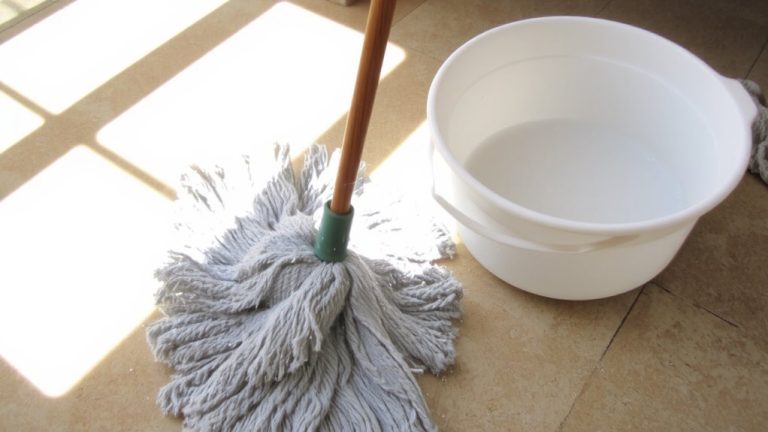
Because your ceiling’s made of porous plasterboard, usually about 12mm thick, mopping it risks serious water damage-since that material soaks up moisture like a sponge. In modern homes, this dampness doesn’t just vanish; it lingers, causing stains, weakening the surface, and inviting mould growth, especially in kitchens or bathrooms. Mopping spreads water instead of removing dust or grime, leaving behind damp patches that take hours to dry, if at all. Unlike dry cleaning tools like microfiber pads or vacuum dusters, mopping adds unnecessary moisture that the ceiling can’t handle. You’re not just risking cosmetic flaws-long-term saturation can compromise structural integrity over time. Water damage from improper cleaning is one of the top causes of early ceiling repairs. Skip the bucket and sponge; they belong on floors, not above your head. Protect your space by avoiding mopping altogether and choosing safer, dry methods instead.
How to Dry Clean Ceilings and Walls Safely
If you’re tackling dust and cobwebs on your ceilings or walls, skip the water and go straight for dry tools that won’t risk damaging porous plasterboard or trapping moisture. Dry cleaning is safe and effective-use a vacuum with soft brush attachment and a long extension wand to reach high corners without a ladder. For detailed spots, wrap a microfiber cloth around a pole and dust gently. Always use a HEPA-filter vacuum on low to trap allergens, not recirculate them. Below, compare top tools:
| Tool | Best For |
|---|---|
| HEPA-filter vacuum | Allergen-heavy ceilings |
| Vacuum with soft brush attachment | Textured surfaces |
| Microfiber cloth on extension | Smudge-prone walls |
Place a tarp first to catch falling debris, especially with popcorn ceilings. A fluffy pet Swiffer on a mop also grabs dust fast and reduces repeat cleaning.
How to Deep Clean Walls and Ceilings Step by Step
Start your deep clean right by tackling the unseen first: dust, allergens, and grime that cling to ceilings and walls. Begin with HEPA vacuuming using a soft brush attachment and extension wand to safely reach high spots without scratching surfaces. Make three overlapping passes, each with 30% overlap, to fully capture particulates without blowing dust into the air. Next, prepare a cleaning solution of 1 teaspoon Branch Basics Concentrate per gallon of distilled water, and spot test on a hidden area. Dampen microfiber cloths with the solution-wrung well-and wipe using overlapping strokes for consistent coverage. Rinse with a clean, damp cloth, then dry immediately with a fresh microfiber cloth to prevent moisture buildup. Repeat annually, or every 3–6 months in homes with allergies or high dust.
How to Remove Stains Without Causing Damage
While tackling stains on ceilings and walls, you’ll want to act quickly but carefully-using the right method for the type of stain guarantees you lift it without harming the surface. For water-based marks, your best cleaning method is a neutral pH all-purpose cleaner; apply it with a microfiber cloth using gentle, overlapping strokes. Oil stains? Dab with soapy water made from warm water and a few drops of mild dish soap, letting it sit for one minute before wiping with a damp microfiber cloth. Stubborn spots respond well to a paste of baking soda, water, and a squirt of dish soap-let it dry, then mist with cleaner and wipe clean. Always spot-test first and limit moisture by wringing cloths well. You’ll clean with a microfiber safely, avoiding water damage or mold on plasterboard and plaster surfaces.
How Often to Clean Walls and Ceilings
How often should you really be cleaning your walls and ceilings? For most homes, a thorough clean every three to six months works well, but if you smoke, have high humidity, or deal with allergies, aim for every two months. At minimum, clean walls and ceilings once a year-more often if someone has asthma or chronic illness. In dusty areas or after renovations, mold remediation, or pest treatments, clean immediately to remove dust and residual grime. Prioritize bedrooms since immune repair happens during sleep, and allergen buildup on walls or ceilings can disrupt health. Spot-clean stains right away and wipe down surfaces if you see cobwebs or visible dust. These cleaning tips help maintain air quality and extend paint life. Use a microfiber mop or vacuum with a HEPA filter for best results.
On a final note
You’ve got this-clean walls and ceilings make a real difference in air quality and appearance. Use a microfiber cloth for dry dusting, or a Mr. Clean Magic Eraser for scuff marks, 12×12 inch sections at a time. For stains, mix 1 tbsp dish soap (like Dawn) with warm water, test in a corner first. Avoid bleach-it can damage paint. Clean every 3–6 months to prevent grime buildup and discourage spiders from nesting.