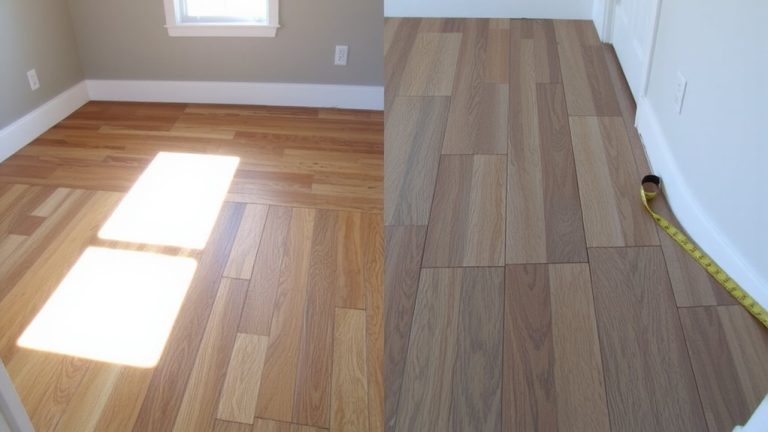
Best Humidity for Hardwood Floors
Keep your hardwood floors stable by maintaining indoor humidity between 40% and 45% year-round, especially at 65°F, where solid wood stabilizes around 6.5% to 7% moisture content. Use a hygrometer ($20) to stay within the 35%–55% safe range, preventing cupping in summer or gapping in winter. Pair a humidistat with your HVAC or use a dehumidifier when outdoor levels hit 70%. You’ll see how engineered hardwood, white oak, or quarter-sawn boards handle fluctuations with fewer issues. There’s more to take into account when matching wood type to your home’s climate cycle.
We are supported by our audience. When you purchase through links on our site, we may earn an affiliate commission, at no extra cost for you. Learn more. Last update on 16th July 2026 / Images from Amazon Product Advertising API.
Notable Insights
- Maintain indoor relative humidity between 35% and 55% year-round for optimal hardwood floor performance.
- Aim for 40% to 45% relative humidity to keep hardwood at a stable 6.5% to 7% moisture content.
- Humidity above 55% can cause wood to expand, leading to cupping, swelling, or buckling.
- Humidity below 35% causes wood to shrink, resulting in gapping, cracks, and surface checking.
- Use a hygrometer and HVAC control to monitor and maintain consistent humidity levels indoors.
How Humidity Affects Hardwood Floors
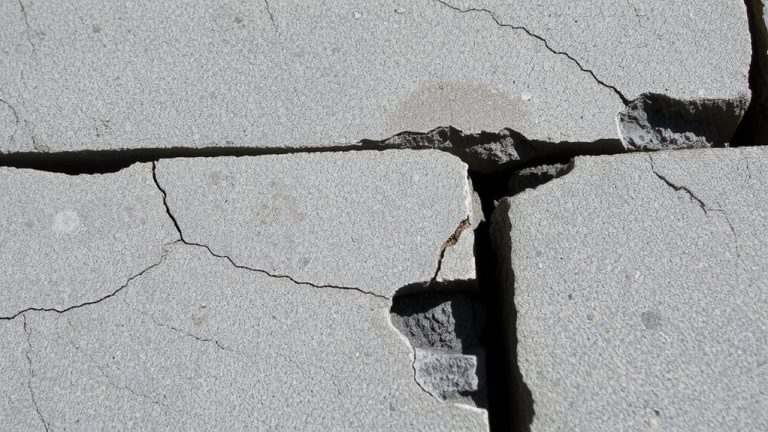
When humidity swings too far in either direction, your hardwood floors take the hit-no matter how carefully you clean or maintain them. High relative humidity, especially above 55%, causes wood floors to absorb moisture, increasing their moisture content and leading to swelling, cupping, or buckling. You’ll notice gaps closing up, then planks warping. In contrast, when humidity drops below 35% in winter, wood loses moisture, shrinking and creating unsightly gapping and surface cracks. Michigan’s climate, with summer humidity hitting 70% and winter levels plunging to 20–30% RH, puts solid hardwood under constant strain. These repeated expansion and contraction cycles stress the wood, risking permanent deformation. To protect your floors, monitor indoor relative humidity year-round and use a dehumidifier or humidifier as needed. Consistent moisture content means fewer cleaning challenges, less strain on the finish, and longer-lasting, stable wood floors.
The Ideal Humidity for Hardwood Floors (Year-Round)
You’ve seen how extreme humidity can warp, gap, or crack your hardwood floors, but keeping things in the sweet spot makes all the difference when it comes to long-term stability and ease of cleaning. For ideal humidity for wood, aim to maintain consistent indoor levels between 35% and 55%, with 40% to 45% as the target. At 45% indoor humidity and 65°F, most hardwood reaches a stable 6.5% to 7% moisture content. Keeping humidity above 35% prevents winter gapping, while staying under 55% avoids summer cupping. Humidity is one of the most controllable factors, so use a hygrometer to track levels and pair a humidistat with your HVAC to maintain consistent indoor conditions. Avoid swings over 5% to reduce stress on wood. This stability not only prevents cracks and gaps but also makes cleaning floors easier and more effective over time.
How Heat and Cold Affect Your Hardwood Floors
Though temperature often flies under the radar, it plays a critical role in how your hardwood floors handle moisture and movement throughout the year. When room temperature rises in spring and summer, the air holds more moisture in the air, leading to high humidity that causes hardwood to swell and potentially cup or crown. In winter, cold temps outside and heated indoor air drop humidity below 30%, pulling moisture from the wood and creating gaps. Keep indoor temps between 68°F and 74°F to stabilize moisture content. Avoid rapid shifts-sudden changes worsen checking or cracks, especially when humidity dips below 35%. Never install hardwood below 60°F; it won’t acclimate. Maintaining steady room temperature helps your floors stay flat, tight, and durable year-round.
Signs Your Home’s Humidity Is Damaging Floors
What’s causing those unsightly gaps or warped boards in your hardwood floors? Low humidity levels, often below 35% RH, make wood flooring shrink, leading to gapping and surface cracks-especially in dry winter months. If you’re seeing cupping, where board edges rise above the center, humidity levels are likely above 55% RH, exposing your floors to excess moisture over time. Crowning, with centers raised higher than edges, points to prolonged moisture absorption, often from spills or high humidity. Severe buckling means your hardwood floors have absorbed too much moisture, possibly due to levels exceeding 60% RH. These signs show your wood flooring is struggling. Maintaining balanced humidity protects your investment, keeps planks stable, and preserves appearance. Watch for these changes-they’re clear signals your floors are reacting to moisture shifts in your home.
How to Monitor and Control Indoor Humidity
Keeping your hardwood floors looking their best starts with knowing what’s in the air, not just what’s on the surface. You need to monitor indoor humidity using a hygrometer or humidistat-about $20-to keep levels between 35–55% RH, ideal for hardwood flooring. Moisture from the air affects wood stability, so place hygrometers in multiple rooms, especially near radiant heating or furnace humidifiers. Pair a humidistat with your HVAC to maintain around 45% RH at 65–74°F. In winter, aim for 40% RH, dropping 5% per 10°F below 20°F outdoor temp to prevent condensation. During summer, use a dehumidifier to keep indoor humidity under 55% RH when outside hits 70%, avoiding cupping and swelling. Controlling humidity protects your floors, keeping them flat, tight, and beautiful year-round.
Best Hardwood for Humid Climates
When you’re choosing hardwood for a humid climate, engineered hardwood is your best bet-its layered construction, with a real wood veneer over cross-directional plywood core, resists warping and swelling better than solid wood. Opt for white oak, which naturally resists moisture-related decay and shows less movement during humidity swings. Hickory is another smart pick, offering a high Janka hardness of 1820 lbf, so it withstands dents and stays stable when the air’s thick. If you want even more resilience, consider strand-woven bamboo-its densely compressed fibers handle humidity better than most solid woods. Testers report fewer gaps and squeaks over time, especially in coastal areas. For maximum stability, choose quarter-sawn versions, where straight grain reduces expansion. Together, engineered hardwood, white oak, hickory, and strand-woven bamboo give you lasting beauty without the bounce or cupping.
Seasonal Humidity Tips for Hardwood Floor Care
How does your hardwood handle the swing from sticky summers to parched winters? Your wood flooring expands and contracts with humidity changes, so keeping indoor levels between 35% and 45% at around 65°F helps prevent damage. In winter, when indoor humidity drops below 30%, your flooring may shrink, creating gaps-use a humidifier to stop that. During summer, if humidity exceeds 55%, wood can absorb moisture, leading to cupping or crowning-run a dehumidifier. Use a hygrometer to monitor levels, especially during seasonal shifts, aiming for no more than 5% fluctuation. In cold climates like Michigan, lower indoor humidity by 5% per 10°F drop below 20°F outdoors to avoid condensation. Proper acclimation during installation and consistent climate control are key to lasting beauty and performance.
On a final note
Keep your hardwood floors at 35–55% humidity year-round to prevent gaps, warping, or squeaks. Use a hygrometer to track levels and a dehumidifier or humidifier as needed. Clean spills fast with a pH-neutral cleaner like Bona Hardwood Floor Cleaner, avoiding vinegar or steam. For stains, lightly sand and refinish affected spots. Regular vacuuming with a soft brush attachment deters dust and pests. Testers confirm consistent care keeps floors smooth, sealed, and long-lasting.